Poplar Wood Complete Crafting Guide: New Wood Type in 26.3
Discover essential tips and techniques for crafting with poplar wood in version 26.3. Enhance your projects today by diving into our comprehensive guide!

Shahrukh Sial is a Gaming Content Strategist at Sparked Host. He identifies his own strategic outlines through deep research to cover game guides, tips, and updates that help players improve their skills and enjoy a better gaming experience.
A complete guide about this new resource in Minecraft: the Poplar tree.
This could very well be one of these things a person would write after being really into a home building project in the game and needing a new type of wood, or alternatively wanting to get to the bottom of everything there is to know about this new sort of tree.
Here are several places in the game world where Poplar is known to grow that you can visit yourself, methods of collecting the seedlings, and, in addition to that, crafting instructions for all of the Poplar-made items in the game:
Whether you just want a feeling of autumn or you decide to really transform the whole tree, the guide will suit perfectly for that.
Besides this, this wood species is so special because it is the only one autumn-themed wood tree in the game till now. It provides a unique combination of colors for the different types of builds that a person can make with its wood.
Overview of Poplar Wood and New Features
Poplar wood is one of the first autumn-themed woods included in the new update for Minecraft. Poplar has a light, creamy color which makes it quite different from the color of ordinary birch or oak wood. There are plenty of blocks and recipes which can be used to create your dream build.
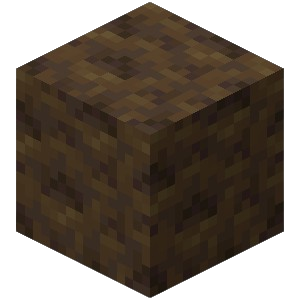
The entire range covers logs, stripped logs, planks, stairs, slabs, fences, doors, trapdoors, signs, hanging signs, buttons, pressure plates, boats and a unique new storage block termed "Poplar Shelf". It is only this kind of wood that would sprout naturally in the new Dappled Forest biome and the trees there would have three kinds of leaf colors that are pretty cool: red, orange and yellow.
Poplar planks with a brownish-gray color give off a pretty clean and non-pretentious look. It matches very well with the rest of the blocks. Wood is soft and easy to work with, grows quickly so you can easily far them, and the pattern is a straight one. The inside portion can vary from the lightest cream to the yellowish brown which actually gives it the soft gray-beige tone that is suitable and fitting almost any architecture.
Finding Poplar Trees and Dappled Forest
Poplar trees only spawn in the Dappled Forest biome, which is an autumn-themed biome generating near cold biomes like Taiga and Snowy Taiga. Look for patches of forest with red, orange, or yellow leaves instead of the standard green. Poplar saplings drop from Poplar leaves and can grow into trees with random leaf colors, regardless of the parent tree's color.
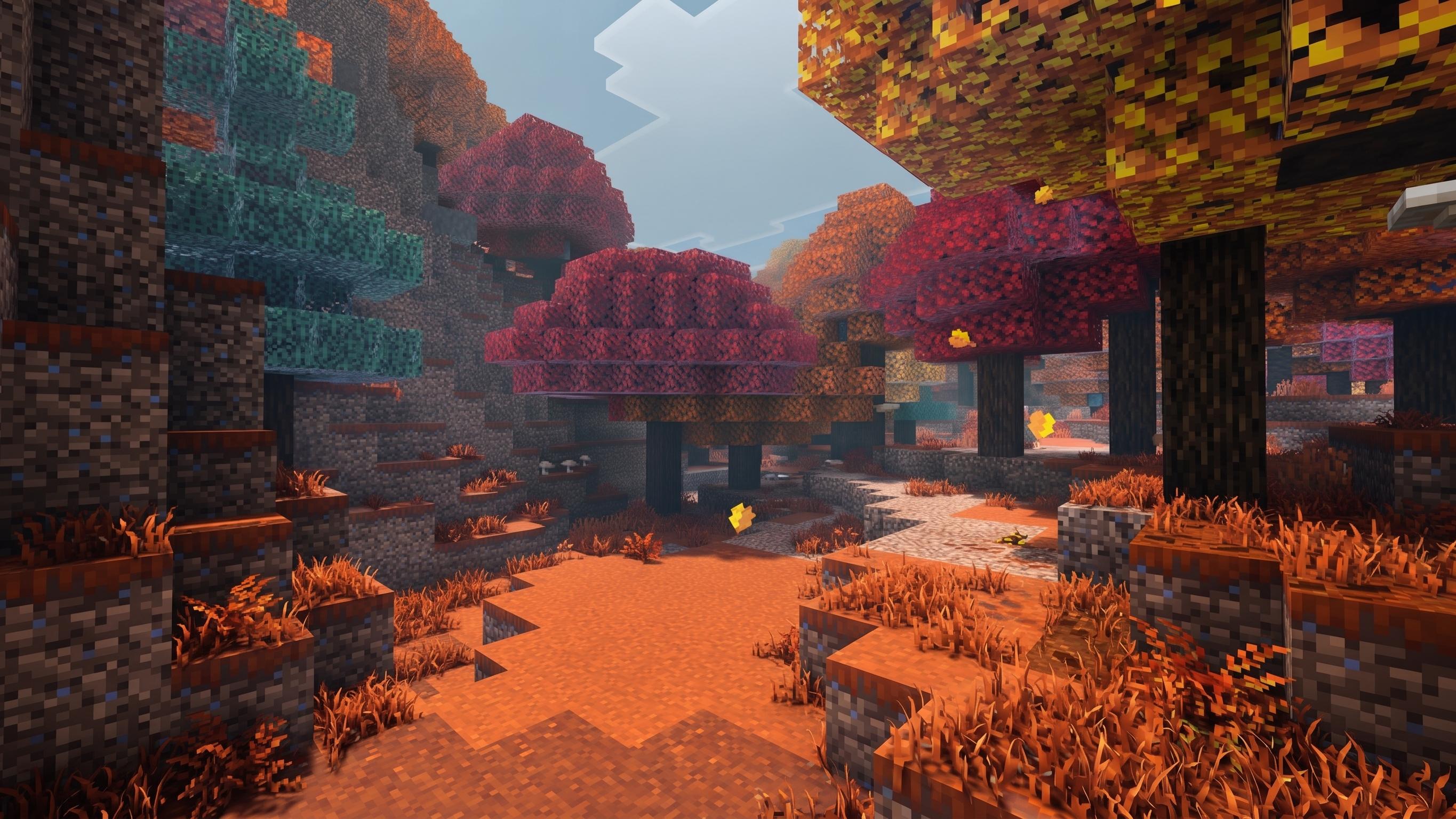
Shearing Poplar leaves collects colored leaf blocks, allowing you to use them decoratively. Additionally, Poplar trees and logs can contain shelf mushrooms, which serve as bouncy platform blocks—these shelf mushrooms grow on Poplar logs in the Dappled Forest biome.
Wandering traders now sell Poplar logs and Poplar saplings if you cannot locate the biome.
Once you've located Poplar trees, you'll need to know how to harvest them efficiently.
Harvesting Poplar Trees Efficiently
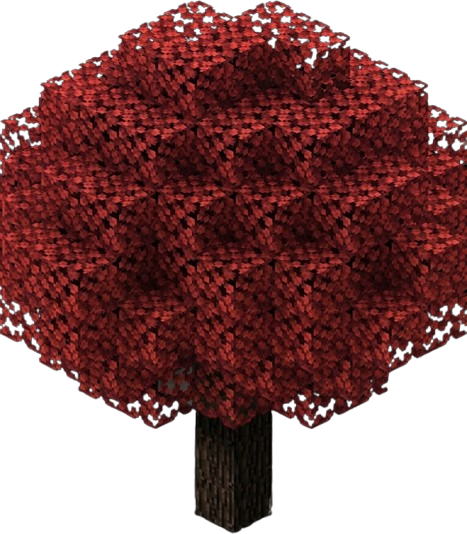
Use an axe with Efficiency enchantment to break Poplar logs quickly. When harvesting leaves, use shears to collect the leaf blocks themselves, or break them by hand to obtain Poplar saplings. The leaves drop saplings at a standard rate similar to other deciduous trees. Always replant saplings after clearing an area to maintain the forest or create a farm.
After harvesting, you may also find Poplar wood in structures within the Dappled Forest.
Obtaining Poplar Wood From Structures and Abandoned Camp
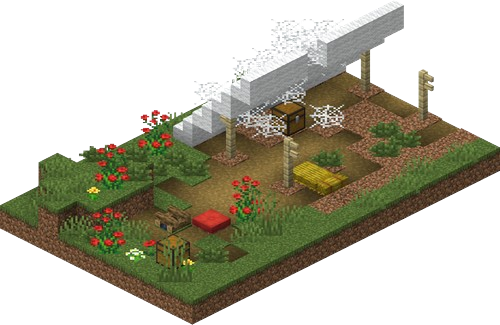
Abandoned Camps generate in the Dappled Forest and contain Poplar wood components. Check chests inside these structures for Poplar planks and logs. The camps feature wool stairs and straw beds made with Poplar wood frames. Breaking the camp structures yields Poplar planks and logs, though this is less efficient than harvesting trees.
Once you have gathered Poplar logs and planks, you can start crafting the full range of Poplar wood blocks.
Crafting Recipes for Poplar Wood Blocks
Poplar wood is included as a complete set with various blocks and crafting recipes, ensuring you have access to every block type for your builds. Below are the crafting recipes, organized for easy reference:
Planks and Slabs
-
Poplar Planks: Place one Poplar log in any slot of the crafting grid to receive four Poplar planks (outside Minecraft, poplar is commonly used in plywood production as a core wood).
-
Poplar Slabs: Place three Poplar planks in a horizontal row to create six Poplar slabs.
Stairs and Fences
-
Poplar Stairs: Arrange six Poplar planks in a stair pattern (three in the bottom row, two in the middle, one at the top) to create four Poplar stairs.
-
Poplar Fences: Combine four Poplar planks and two sticks in a fence pattern to create three Poplar fences.
-
Poplar Fence Gates: Use four Poplar planks and two sticks arranged in the gate pattern to create one Poplar fence gate.
Doors and Signs
-
Poplar Doors: Place six Poplar planks in two vertical columns to create three Poplar doors.
-
Poplar Signs: Combine six Poplar planks and one stick to create three Poplar signs.
-
Poplar Hanging Signs: Requires six Poplar planks and two chains. Arrange planks in the top two rows with chains in the bottom corners to create six hanging signs.
Special Blocks
-
Poplar Buttons: Place one Poplar plank in the crafting grid to create one Poplar button.
-
Poplar Pressure Plates: Place two Poplar planks side by side to create one Poplar pressure plate.
-
Poplar Trapdoors: Arrange six Poplar planks in two horizontal rows to create two Poplar trapdoors.
-
Poplar Shelf: Crafted from Poplar planks. This new storage block functions as a display shelf for items. Outside Minecraft, poplar is also used for carving and glulam beams.
-
Poplar Boat: Craft using five Poplar planks arranged in a U-shape with a wooden shovel in the top center. In real-world wood products, it is also commonly used for crates and pallets.
-
Poplar Boat with Chest: Combine one Poplar boat with one chest to create a storage boat.
Crafting Wool Stairs Using Poplar Wood
Wool stairs are a separate new block in 26.3, but they complement Poplar builds. Craft wool stairs using wool blocks in the same stair pattern as wood stairs. Poplar wood frames and supports pair well with wool stairs in red, orange, and yellow colors to match the autumn theme. All sixteen wool colors craft into stairs, allowing colorful builds using Poplar as the structural base.
For large projects, you may want to automate your Poplar wood production and crafting.
Bulk-Crafting and Automation Tips
For a huge project it is suggested to make a redstone-driven tree farm which will be operated by observers and pistons to take advantage of an automated Poplar log harvesting system. You will also benefit from hoppers which will automatically bring logs and deposit them in chests linked to a craft table. Although Minecraft doesn't offer a sawmill type block until now, arranging several craft tables with recipes you have prepared, you can swiftly produce planks, stairs and slabs.
Once the blocks of your Poplar have been gathered, then you can move on to the construction and designing phase.
Building With Poplar Wood: Design Ideas and Uses
Poplar wood is the most suitable type of a hardwood for those, who are willing to be a DIY expert as it is relatively light wood, you can do any decorative and functional stuff with it. Besides, poplar is also a sustainable hardwood species according to the USA's ranking. Moreover, the light color of Poplar wood goes great with black oaks or spruces. Here are some ways to decorate your build with Poplar wood:
Interior Uses
Use Poplar for interior trim in modern houses, flooring in cottages, or kitchen cabinets. Its clean, neutral look makes it ideal for bright, open spaces.
Exterior Uses
Poplar is great for exterior siding for cabins in light construction. Build greenhouses with Poplar frames and glass panes to let light through the pale wood.
Furniture and Decorative Builds
Create autumn-themed restaurants using Poplar tables with red wool stairs for seating or use it for furniture details. It also fits small decorative builds like toys. Historically, Native Americans used poplar for canoes.
Once your build is complete, you may want to enhance its appearance with finishing touches.
Finishing, Staining, and Paint Options
Simulating Stained Wood
In Minecraft, you cannot apply traditional wood stain or paint to Poplar planks like you would in real life, but you can achieve similar aesthetic effects using blocks introduced in the 26.3 update. The key is combining Poplar wood with the new wool stairs and slabs, which come in all sixteen dye colors. By placing red, orange, or yellow wool stairs alongside Poplar planks, you create the appearance of stained wood that matches the autumn theme of the Dappled Forest.
Using Wool for Color
For a more subtle look, use white or light gray wool slabs as trim against the creamy Poplar base, mimicking a whitewashed finish. In real-world poplar, the sapwood is often pale yellow, while the heartwood ranges from light cream to yellowish brown.
Natural Effects with Leaves
For a natural "stain" effect, use the stripped Poplar log variant, which reveals a lighter, cleaner texture without the bark patterns. You can also "finish" your builds by mixing Poplar wood with dark oak or spruce planks, creating contrast that makes the light Poplar color pop, much like real poplar’s straight, uniform grain pattern gives it a clean natural surface.
Since Poplar leaves come in three natural colors (red, orange, and yellow), incorporate these as living accents near your builds, they act like natural paint splashes that change slightly as the leaves decay and regrow. Remember that unlike copper blocks, wood cannot be waxed or sealed, so your "finish" is purely decorative and achieved through careful block selection rather than crafting recipes.
Now that you know how to finish your builds, let's see how Poplar compares to other wood types.
Comparing Poplar Wood To Other Types
In comparison with denser options, poplar wood has a Janka hardness rating of 540 lbf, so it sits well below oak, maple, and ash, and also below premium choices like black walnut. Because of that lower hardness, this hardwood is more prone to dents and scratches than tougher hardwoods, though it is still distinct from softwood species.
It is lighter than oak and spruce, similar in brightness to birch but with a warmer tone. It burns like other wood types when used as furnace fuel. The crafting costs match standard wood types: one log equals four planks, and plank-based recipes use the same quantities as oak or spruce variants. The unique feature is the complete set including the Poplar Shelf, which other wood types do not have in this update.
For those interested in technical details, the next section covers block IDs, tags, and more.
New Features in 26.3: Technical Notes
Block IDs
-
minecraft:poplar_log
-
minecraft:stripped_poplar_log
-
minecraft:poplar_wood
-
minecraft:stripped_poplar_wood
-
minecraft:poplar_planks
-
minecraft:poplar_stairs
-
minecraft:poplar_slab
-
minecraft:poplar_fence
-
minecraft:poplar_fence_gate
-
minecraft:poplar_door
-
minecraft:poplar_trapdoor
-
minecraft:poplar_button
-
minecraft:poplar_pressure_plate
-
minecraft:poplar_sign
-
minecraft:poplar_hanging_sign
-
minecraft:poplar_shelf
-
minecraft:poplar_boat
-
minecraft:poplar_chest_boat
In real-world naming, this wood is sometimes referred to as tulip poplar or yellow poplar, while American tulipwood is discussed by common name rather than as a Minecraft registry distinction tied to Populus or separate species.
Tags
-
#poplar_logs (block and item tags)
-
#logs_that_burn (includes poplar logs)
-
#planks, #wooden_slabs, #wooden_stairs, etc. (includes poplar variants)
In worldgen data, biome and structure placement depend on rule structure, condition elements, and surface checks in the game’s systems.
Loot Tables
- Abandoned Camps in the Dappled Forest use loot tables containing Poplar wood items. The namespace is minecraft:chests/abandoned_camp.
Sounds
-
Poplar wood uses the standard wood sound events (block.wood.break, block.wood.place, etc.).
-
Poplar leaves use distinct sounds: block.poplar_leaves.break, block.poplar_leaves.place, block.poplar_leaves.step, and ambient sounds.
If you encounter issues, the next section will help you troubleshoot.
Troubleshooting and Common Issues
If Poplar wood textures appear missing or purple, reload resource packs by pressing F3+T. If crafting recipes do not appear, ensure you are running the correct 26.3 snapshot version. Report missing recipes or texture bugs to the Minecraft bug tracker including your game version and coordinates where you found the Dappled Forest.
For quick answers, check the FAQ below.
Frequently Asked Questions About Poplar Wood
Do Poplar trees regrow naturally?
Yes, if you leave saplings on the ground and provide light, they grow into full trees randomly selecting red, orange, or yellow leaf colors.
Is Poplar wood flammable?
Yes, like all overworld wood types, Poplar wood burns and can be used as furnace fuel.
Can you dye Poplar planks?
No, Poplar planks maintain their natural light color. Use wool blocks or wool stairs for colored building blocks.
For update history, see the changelog below.
Changelog and Version History
Poplar wood was added in Minecraft Java Edition 26.3 (Third Drop 2026) alongside the Dappled Forest biome, red shrubs, shelf mushrooms, and wool stairs. Prior snapshots (26.1 and 26.2) did not contain this wood type.
Sources and Further Reading
-
Minecraft Java Edition 26.3 Snapshot Notes
-
Minecraft Wiki: Dappled Forest
-
Minecraft Wiki: Poplar Wood
-
Block tag documentation: #poplar_logs