How To Use Copper In Minecraft
Learn how to use copper in Minecraft for crafting blocks, lightning rods, and spyglasses. Discover oxidation mechanics and tips for building with copper.

Shahrukh Sial is a Gaming Content Strategist at Sparked Host. He identifies his own strategic outlines through deep research to cover game guides, tips, and updates that help players improve their skills and enjoy a better gaming experience.
Minecraft, a world of endless possibilities, constantly introduces new elements that enhance gameplay and creativity.
Among these, copper stands out as a versatile and visually dynamic resource. Since its introduction in the Caves & Cliffs: Part I update, copper in Minecraft has become an indispensable material for both functional tools and stunning architectural designs.
This ultimate guide will delve into everything you need to know about copper in Minecraft, from its uses and where to find it to the fascinating oxidation process and how to craft various copper items.
What is Copper Used For in Minecraft?
Copper in Minecraft is primarily a building block and decorative block, offering players a unique aesthetic appeal. When you craft copper blocks, they start with a bright orange hue and gradually turn green over time due to oxidation, providing four stages of visual transformation.
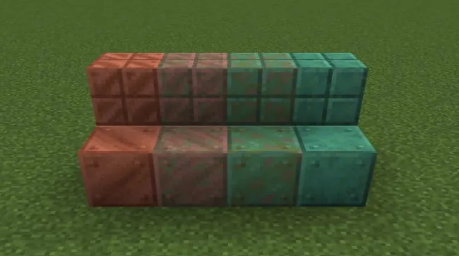
This makes copper blocks ideal for creating structures that age gracefully and blend naturally with the environment. Beyond its decorative value, copper is crucial for several practical copper items:
-
Spyglasses: Essential for long-range viewing.
-
Lightning Rods: Protect your builds from lightning strikes and can even deoxidize copper blocks.
-
Armor Trims: Customize your armor with unique designs.
-
Copper Doors: A new addition providing functional and aesthetic entryways.
-
Copper Trapdoors: Similar to doors, offering compact access.
-
Copper Grates: A see-through decorative block with unique properties.
-
Copper Bulbs: A new light source that interacts with Redstone.
Where to Find Copper in Minecraft?
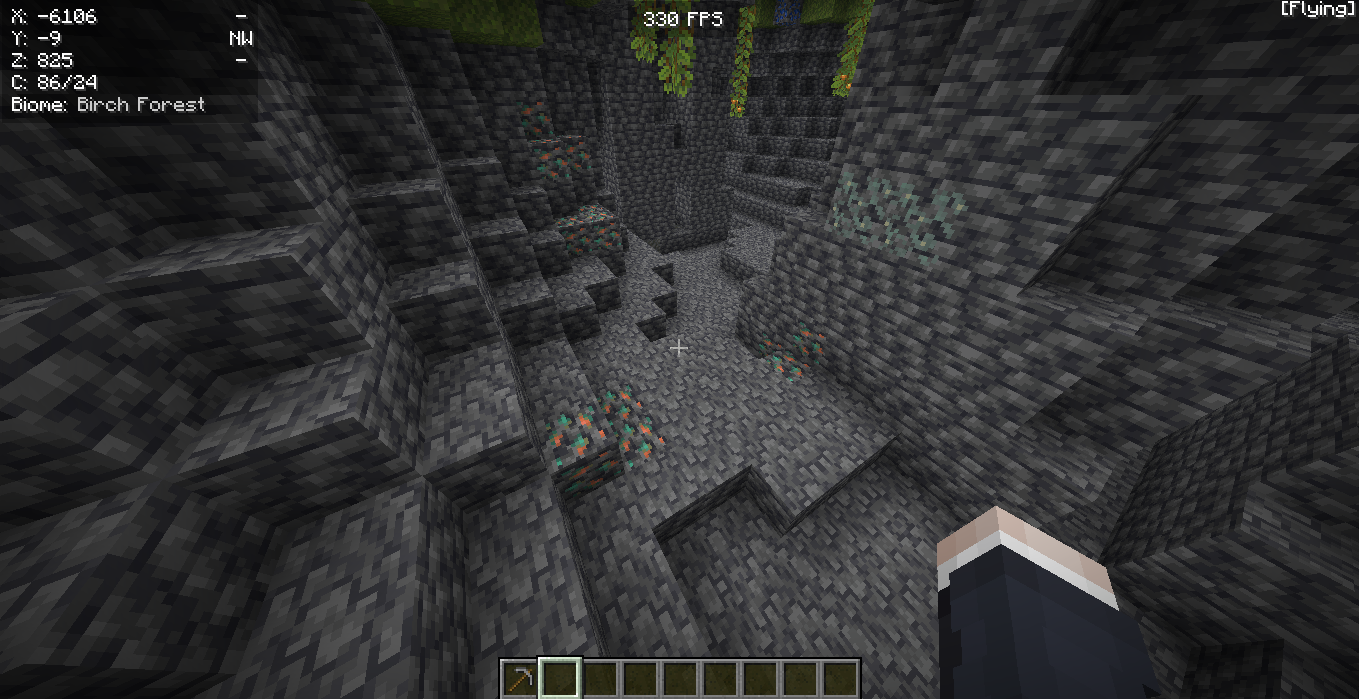
Finding copper ore in Minecraft is relatively straightforward. You'll primarily discover copper ore underground in the Overworld. To mine copper ore, you'll need a stone pickaxe or better.
Copper ore is most commonly found between Y-levels 47 and 48, though it can generate anywhere from Y-levels -16 to 112.
For larger veins of raw copper, exploring dripstone caves is highly recommended, as these biomes are particularly rich in copper.
You might also stumble upon pre-waxed and pre-oxidized copper blocks within trial chambers, offering an instant aesthetic boost for your builds.
Sometimes, you might even find deepslate copper ore at lower Y-levels.
What Level is Copper Most Common in Minecraft?
While copper ore can be found across a wide range of Y-levels, its highest concentration is consistently around Y-levels 47 and 48. This applies to both Java Edition and Bedrock Edition.
As you move further away from these specific coordinates, the frequency of copper ore generation decreases.
More Details:
Copper ore generation occurs in two batches within most Overworld biomes (excluding dripstone caves).
It generates 16 times per chunk, in groups of 0 to 16, between Y-levels -16 to 112.
The highest concentration of copper is found at Y-levels 47 and 48.
Additionally, large copper veins, which are long chains of copper ore, can be found between Y-levels 0 and 51.
How to Oxidize Copper in Minecraft
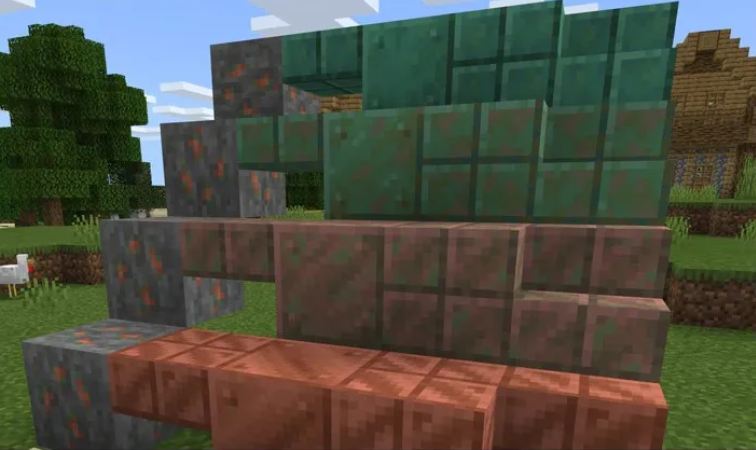
One of the most unique features of Minecraft copper is its ability to oxidize, gradually changing from a bright orange to a beautiful greenish-blue. This oxidation process adds a dynamic element to your builds.
Natural Oxidation:
Copper blocks will naturally oxidize over time when exposed to the environment. The oxidation progresses through four stages:
-
Clean copper blocks
-
Exposed copper (showing green spots)
-
Weathered copper
-
Oxidized copper block (fully turn green)
Each stage takes a certain amount of in-game time to reach.
Speeding Up Oxidation:
-
Spacing: Placing copper blocks with at least four blocks of air space between them significantly speeds up the oxidation process.
-
Environmental Factors: While not fully understood, environmental factors like humidity and rain might also influence oxidation speed for copper blocks.
-
Pre-oxidation: Copper blocks enter a pre-oxidation stage where they check for nearby copper blocks at a lower oxidation level. If a lower-level oxidation block is found within four blocks, the pre-oxidation is canceled, and the block doesn't oxidize as quickly.
Waxing Copper:
To prevent the oxidation of your copper block at a specific stage, you can apply a honeycomb coating to it.
Waxing copper will prevent it from oxidizing further. You can remove oxidation by using an axe to remove the wax, allowing oxidation to continue.
How Long Does It Take Copper To Oxidize in Minecraft?
The time it takes for a copper block to fully oxidize in Minecraft varies due to the random nature of the oxidation process.
On average, a single copper block will fully oxidize in approximately one hour of in-game time.
However, individual blocks can take anywhere from a few minutes to several Minecraft days to fully oxidize, and larger structures will take considerably longer.
A copper block typically enters a pre-oxidation stage after approximately 20 minutes.
How to Stop Copper From Oxidizing
To stop copper from oxidizing in Minecraft, simply use honeycomb to craft waxed copper blocks.
These waxed copper blocks will maintain their current appearance indefinitely, regardless of time or environmental factors.
This is perfect for preserving the specific oxidation stage you desire for your builds.
Deoxidizing Copper in Minecraft
If your copper blocks have oxidized too much or you simply want to reverse the process, there are two main methods to remove oxidation:
-
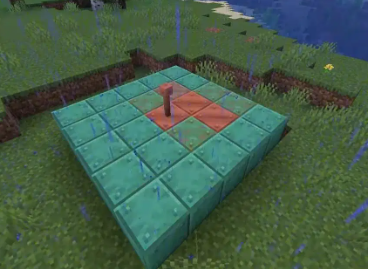
Using an Axe: Right-clicking on an oxidized copper block with an axe will revert it by one stage of oxidation. This allows for precise control over the desired oxidation level.
-
Lightning Strikes: Lightning strikes can completely deoxidize non-waxed copper blocks, reverting them to their original clean state. Lightning strikes can also randomly deoxidize nearby copper blocks.
How to Wax Copper in Minecraft
To wax copper in Minecraft, you'll need honeycomb. Honeycomb is obtained by using shears on a beehive or a bee nest. Once you have honeycomb, simply right-click on the copper block you wish to wax (or use a dispenser). This will transform the copper block into its waxed variant, preventing any further oxidation.
Crafting Copper Items in Minecraft
Crafting copper items primarily involves copper ingots, which are obtained by smelting raw copper ore in a furnace or blast furnace.
Making Copper Blocks
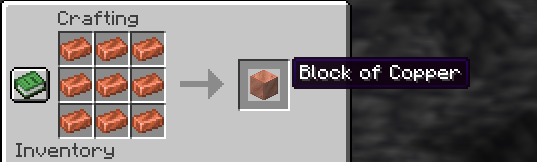
To create a copper block, you need to combine nine copper ingots in a crafting table. This is the foundational step for many copper builds.
Making Copper Grate
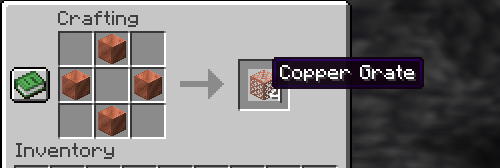
To craft a copper grate, you can use either a crafting table or a stonecutter. In a crafting table, arrange four copper blocks in a diamond or square shape. Alternatively, a stonecutter can produce four copper grates from one copper block. Copper grates are transparent and waterloggable, making them versatile for decorative block purposes and allowing you to see through them.
Making Copper Stairs
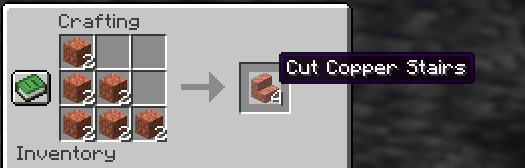
To craft copper stairs, you'll need six cut copper blocks. First, smelt your copper ore into copper ingots, then craft copper blocks. Use a stonecutter to transform copper blocks into cut copper blocks. Finally, arrange the six cut copper blocks in the specific stair crafting recipe on a crafting table to get four copper stairs. You can also make cut copper stairs directly from cut copper in a stonecutter.
Making Copper Doors
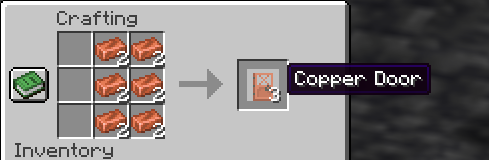
To craft copper doors, you need six copper ingots. Place these copper ingots in a crafting table following the standard door crafting recipe, with three copper ingots on the top row and three copper ingots on the middle row. These functional copper doors can be opened and closed by players, villagers and can be powered by a redstone signal.
Making Copper Lights (Copper Bulbs)
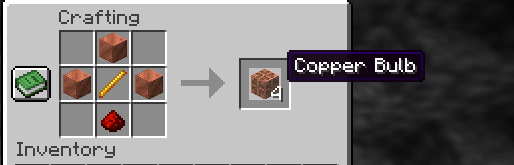
Copper bulbs are a fantastic new light source in Minecraft. To craft them, you'll need copper blocks, a blaze rod, and redstone dust.
-
Gathering Materials:
-
Copper Blocks: Obtained by smelting raw copper into copper ingots and then combining nine copper ingots in a crafting table.
-
Blaze Rod: Found by defeating Blazes in the Nether.
-
Redstone Dust: Found by mining in the Overworld.
-
-
Crafting: Open a crafting table. Place the copper block(s), blaze rod, and redstone dust in the specific pattern required for the copper bulb crafting recipe. For example, to craft four copper bulb blocks, you would typically place one block of copper in the middle of the top row, then arrange the remaining copper blocks, blaze rod, and redstone dust in a specific pattern to start crafting. The type of copper block (exposed copper block, oxidized copper block, etc.) used will determine the initial oxidation state of the copper bulb.
-
Usage: Copper bulbs require a redstone signal to toggle on and off. Their brightness decreases as the copper oxidizes and turn green. To preserve a specific light level, you can wax copper bulbs with a honeycomb pattern, which prevents further oxidation. You can also revert a waxed copper bulb to its previous oxidation state by using an axe, removing wax. A stone pickaxe or higher is needed to mine the copper bulb without destroying it.
Additional Copper Items and Uses
Beyond the main copper items, copper has several other applications and forms:
-
Cut Copper: Crafted from copper blocks using a stonecutter. Cut copper has a refined, smoother texture.
-
Cut Copper Slabs: Made from cut copper blocks. You can craft two cut copper slabs from one cut copper block.
-
Chiseled Copper: A decorative variant of copper blocks that offers intricate designs.
-
Copper Trapdoor: Similar to copper doors but smaller, perfect for floor or ceiling access.
-
Spyglass: Crafted with two copper ingots and one amethyst shard. The amethyst shard is crucial for its optical properties.
-
Lightning Rod: Made with three copper ingots arranged vertically in a crafting table. This prevents damage from lightning strikes and can even deoxidize nearby copper blocks.
-
Armor Trim: Combine one copper ingot, one feather, one stick, and one amethyst shard to craft specific armor trims.
-
Block of Raw Copper: You can craft nine raw copper into a block of raw copper for compact storage. This is not to be confused with a copper block, which is made from smelted copper ingots. You can then smelt the block of raw copper to get copper ingots.
-
Raw Copper: The item form of copper ore that drops when mined.
-
Copper Ingots: The result of smelting raw copper or a block of raw copper. Copper ingots are a fundamental ingredient in crafting. You need one copper ingot to craft many smaller copper items.
-
Mineral Block: Copper blocks are considered a mineral block in Minecraft.
-
Regular Copper Blocks: Refers to the default, non-waxed copper blocks that undergo oxidation.
-
Iron: While not copper, iron is another important metal often found near copper ore.
With this comprehensive guide, you are now equipped to master the use of copper in Minecraft. From its unique oxidation properties to its diverse crafting recipe possibilities, copper offers an exciting dimension to your Minecraft adventures. Start crafting and let your creativity shine with this versatile material.