How To Get Wool In Minecraft
Learn how to get wool in Minecraft through sheep shearing, crafting, and trading. Discover dyeing tips and uses for wool in building and survival gameplay.

Shahrukh Sial is a Gaming Content Strategist at Sparked Host. He identifies his own strategic outlines through deep research to cover game guides, tips, and updates that help players improve their skills and enjoy a better gaming experience.
How to Get Wool in Minecraft (Complete 2025 Guide)
Wool is a versatile block in Minecraft, essential for crafting beds, banners, and decorative builds. It comes in 16 different colors and can be gathered in multiple ways. Whether you're playing in Survival or Creative mode, knowing how to efficiently collect and use wool can make a big difference in your gameplay. In this guide, we’ll explore every method to obtain wool, how to dye it into different colors, and tips for setting up an automatic wool farm using dyed new wool textures and classic wool colors.
How to Get Wool in Minecraft
The easiest and most efficient way to get wool in Minecraft is by shearing sheep. Shearing yields 1–3 wool blocks per sheep without harming them, allowing the wool to regrow over time. Killing sheep also drops wool, but only provides one block and prevents future harvesting.
If sheep aren’t available, you can craft white wool using four string arranged in a 2x2 crafting grid.
Wool blocks can also be found in naturally generated structures such as villages, pillager outposts (white wool), and ancient cities (gray wool). Note that the color of wool from structures may vary and includes white, light gray, or gray wool depending on the location.
Colored Wool in Minecraft
In Minecraft, players can dye wool into 16 unique colors, including popular shades like pink, cyan, magenta, and orange wool. You can dye wool by combining white wool with a dye or by dyeing a sheep directly.
When a sheep is dyed, it continues to grow and produce wool in that color every time it’s sheared. Colored wool is widely used in creative builds, pixel art, and custom decorations.
Most dyes are crafted from natural resources such as flowers, lapis lazuli, ink sacs, or cactus green. Master the full wool color palette by collecting dyes and using them strategically in your Minecraft projects.
How To Get Blue Wool in Minecraft
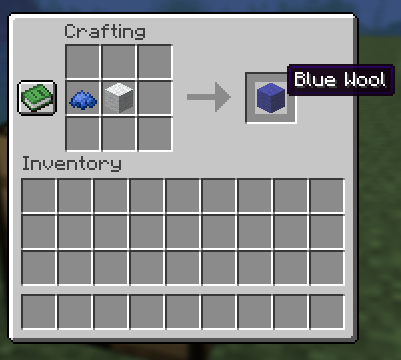
Blue wool in Minecraft is made by combining white wool with blue dye. Blue dye is crafted from lapis lazuli, a mineral commonly found while mining underground. Players can also dye a sheep blue to create a renewable source of blue wool, making it easier to farm. Blue wool is perfect for ocean-themed builds, sky-based designs, and modern architectural projects. Use it creatively to add depth and color to your Minecraft world.
How To Get Red Wool in Minecraft
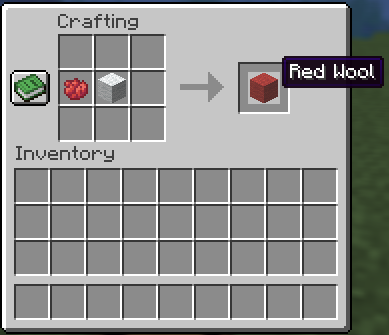
To get red wool in Minecraft, combine white wool with red dye. Red dye can be easily made from poppies, roses, or beetroots—resources commonly found in most biomes. This makes red wool one of the most accessible colored blocks early in the game. Red wool is popular for castle builds, festive decorations, and bold accent designs. It pairs especially well with other vibrant blocks like orange and magenta wool, offering great versatility in creative construction.
How To Get Green Wool in Minecraft
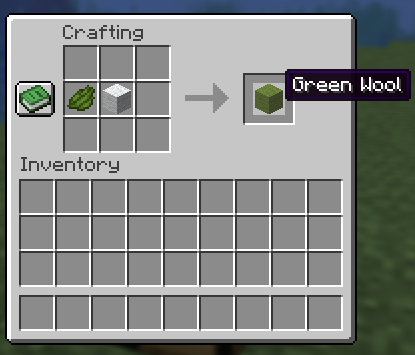
Green wool is created by combining white wool with green dye, also known as cactus green. Green dye is made by smelting cactus in a furnace. Once obtained, players can use it to dye wool or sheep directly. Dyeing sheep green provides a renewable source of green wool, making it easy to farm over time. Green wool is ideal for camouflage builds, nature-themed projects, and jungle-inspired structures. It also serves as a foundation for crafting other colors like brown wool later in the game.
How To Get Light Gray Wool in Minecraft
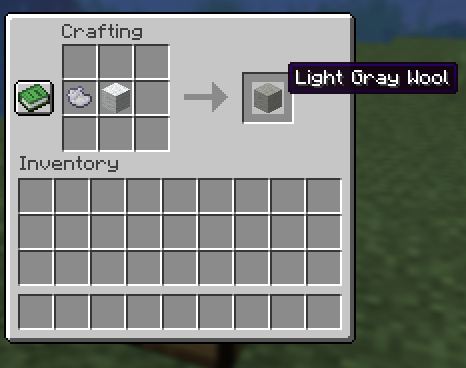
Light gray wool is made by combining white wool with light gray dye. Players can craft light gray dye using flowers like azure bluets, white tulips, or by mixing gray dye with white dye. This subtle-toned wool block is perfect for modern builds, minimalist designs, or neutral backgrounds. Light gray wool is often used to add gentle contrast in high-detail or layered structures. It can also be found as drop light gray wool in certain naturally generated structures within the world.
How To Get Gray Wool in Minecraft
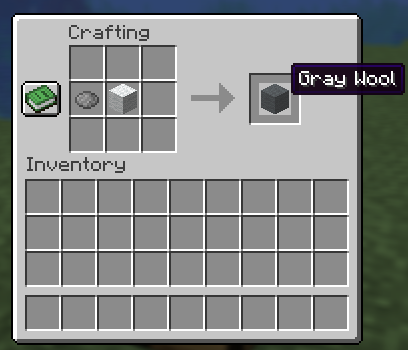
Gray wool is crafted by combining white wool with gray dye. To make gray dye, mix black dye and white dye in a crafting table. Gray wool’s neutral tone makes it ideal for industrial builds, cityscapes, and tech-inspired structures. It pairs well with both vibrant and muted wool colors, helping create balanced textures and cohesive designs. Gray wool is a versatile choice for builders seeking subtle detail without overwhelming contrast.
How To Get Pink Wool in Minecraft
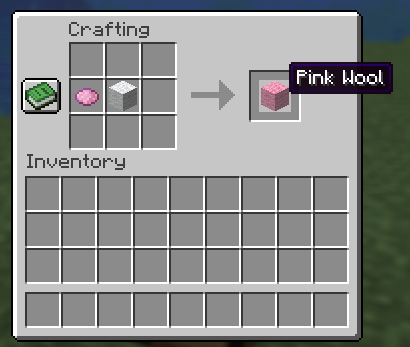
Pink wool is made by combining white wool with pink dye. Players can craft pink dye from pink tulips or by mixing red dye with white dye. You can also breed pink or brown sheep for a renewable source of colored wool. Pink wool is a popular choice for cute and themed builds, such as cafes, bedrooms, or festive event spaces. Its soft color adds charm and personality to creative structures.
How To Get Brown Wool in Minecraft
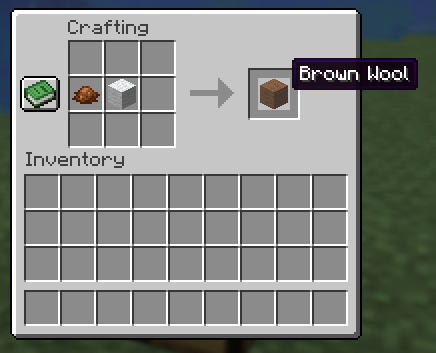
Brown wool is crafted using brown dye, which is extracted from cocoa beans found in jungle biomes. Brown dye was historically one of the more difficult dyes to obtain, making brown wool obtainable only after jungle exploration. Brown wool is excellent for earthy builds, rustic cabins, and tribal patterns. Use brown and pink sheep in themed zoos or farms for added realism.
How To Get Black Wool in Minecraft
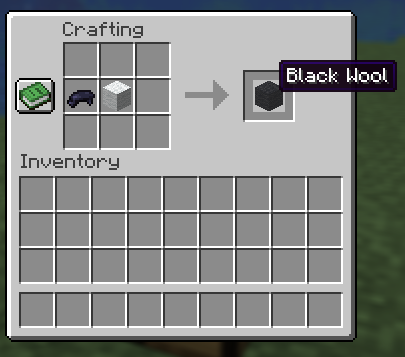
Black wool is crafted using black dye, which comes from ink sacs or Wither Roses. Squids are the most common source of ink sacs. Black wool is often used in outlining, pixel art, roadways, and any build that needs a dark contrast. You can also encounter black sheep naturally. Wool dropped from black sheep helps expand your colored wool inventory quickly.
How To Get White Wool in Minecraft
White wool is either dropped by white sheep or crafted using four strings. Drop white wool is the most basic and essential starting material. It’s the default color and can be dyed into any other color, including orange dye, cyan dye, or pink dye. White wool is essential for crafting beds and serves as a base for all other wool color variations and its textures.
How To Get Light Blue Wool in Minecraft
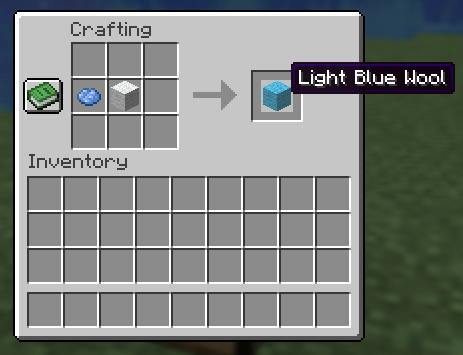
Light blue wool is produced by combining white wool with light blue dye. This dye can be made from blue and white dye or collected from cornflowers. Light blue wool is a popular choice for sky-themed, icy, or futuristic builds. Light blue adds a soft contrast when used with cyan wool and blue wool.
How To Get Cyan Wool in Minecraft
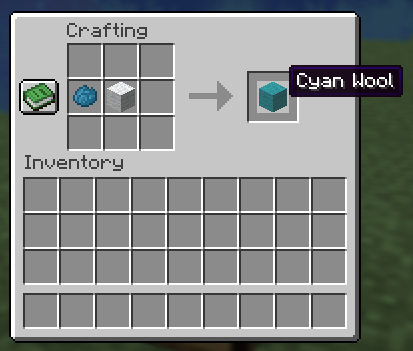
Cyan wool is made using cyan dye, which is crafted by combining blue and green dye. It offers a teal-like shade that’s useful in underwater, sci-fi, or fantasy builds. Dyeing sheep cyan provides a continuous source of this color. Cyan wool is a favorite among builders working with vibrant yet balanced palettes.
How To Get Yellow Wool in Minecraft
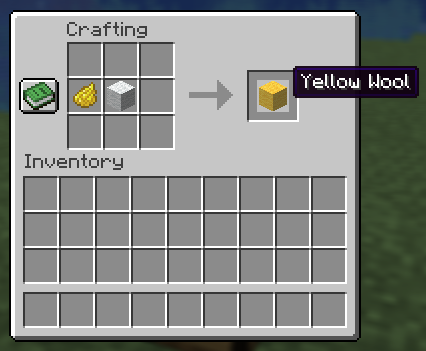
Yellow dye wool is made using yellow dye, which can be crafted from dandelions or sunflowers. Create yellow dye to easily expand your wool colors and craft orange wool. This color is perfect for cheerful, sunny areas, especially when combined with other bright tones in colorful builds. Yellow wool generates patterns that are great for banners and rugs.
How To Get Orange Wool in Minecraft
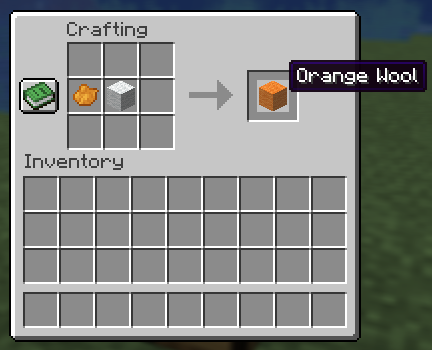
To create orange wool, combine white wool with orange dye. Orange dye is made by mixing red dye and yellow dye or by using orange tulips. It complements orange and magenta wool combinations in festive or fantasy-themed environments.
Ink Sac in Minecraft
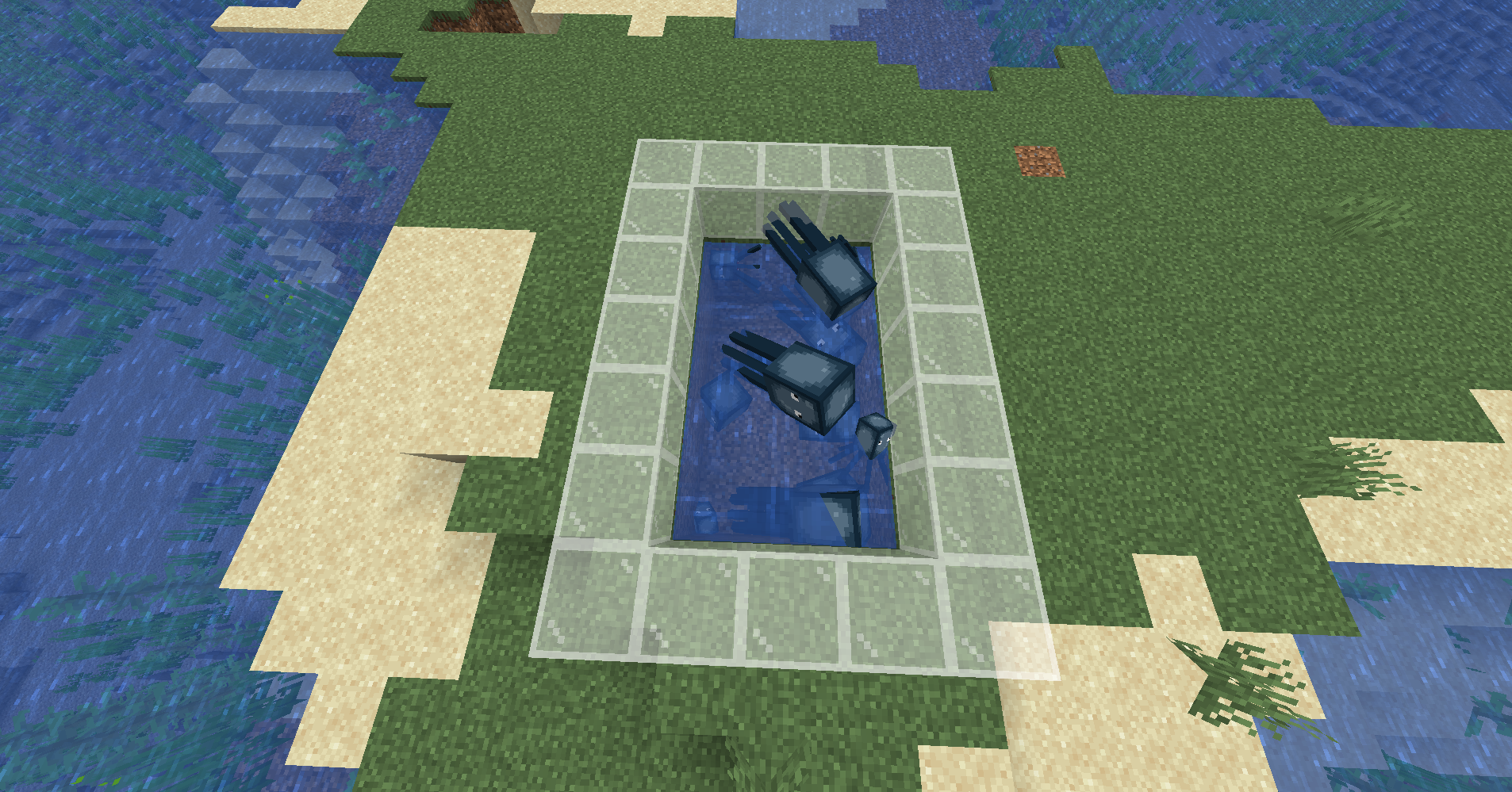
Ink sacs are dropped when squids are killed and are used to create black dye. Squids typically spawn in rivers and oceans. Since they’re passive mobs, they are easy to farm. Ink sacs are also used in crafting books and quills, as well as other black-dyed materials like black wool and gray dye.
Cactus Green in Minecraft
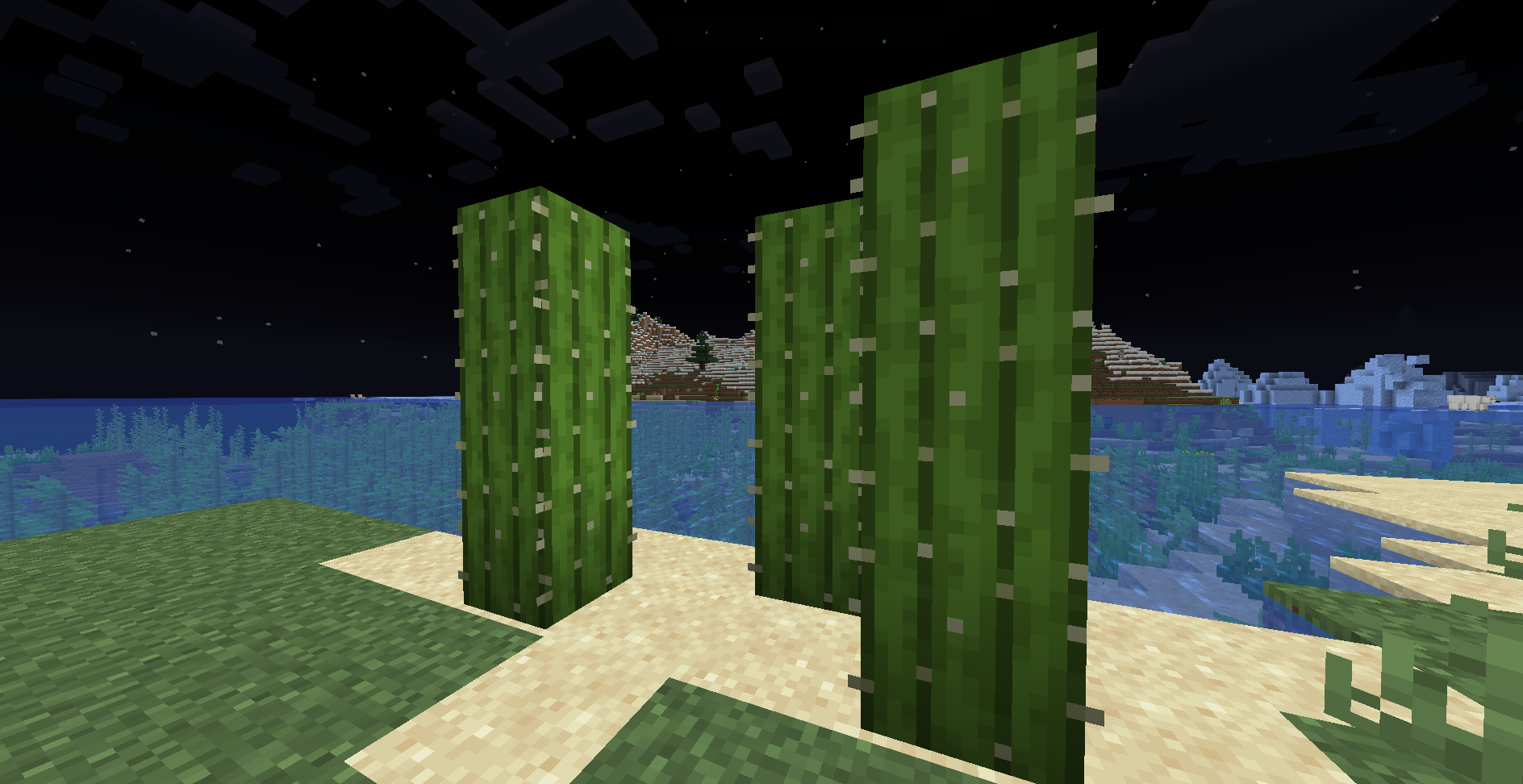
Cactus green, now known simply as green dye, is made by smelting cactus in a furnace. Cactus is found in desert biomes and can be farmed easily by placing it on sand blocks. Cactus green supports creation of green, lime, and cyan wool and is essential for crafting a full wool palette.
Automatic Wool Farm in Minecraft
Setting up an automatic wool farm is a great way to gather large quantities of wool without manual shearing. The basic setup includes:
-
A sheep standing on a grass block
-
An observer facing the grass to detect regrowth
-
A dispenser with shears connected to redstone
-
A hopper minecart to collect the wool
Once the sheep eats grass and regrows its wool, the observer triggers the dispenser to shear it. You can build multiple modules with different colored sheep to automate all 16 wool colors. This setup ensures longer drop wool efficiency and even longer trade wool potential through villagers.
Naturally Occurring Wool in Minecraft
Wool can also be found in world-generated structures. In villages, it appears as part of beds and some decorative structures. Pillager outposts use gray and white wool in banners and tents. Woodland mansions contain large statues made of colored wool. Ancient cities also feature light gray wool in various areas. These sources are great for acquiring wool exclusive colors, especially in the early game when crafting wool is harder.
Crafting and Using Dyes
In Minecraft, dyes are essential for customizing the color of many items and blocks, including wool. They can be crafted from plants, mixed together, smelted from certain materials, or obtained through trading. Here's a complete overview of how to craft dyes and how they can be used in the game:
-
Dye Sources: Dyes can be produced in several ways. Most commonly, players craft them from flowers and plants such as dandelions, poppies, or lapis lazuli. Others, like green dye, require smelting plants like cactus. Additionally, dyes can be made by combining different colors or even purchased from wandering traders in exchange for emeralds.
-
Uses of Dyes: Dyes are incredibly versatile. They can be used to change the color of wool, carpets, terracotta, concrete powder, glass, shulker boxes, beds, candles, and banners. This makes them a key part of any creative or decorative build.
-
Dyeing Wool: To dye wool, place a piece of wool and a dye of your choice in a crafting grid. This changes the wool to the selected color. You can also dye colored sheep directly, which will then produce corresponding colored wool when sheared.
-
Animal Collars: Dyes can be used on tamed wolves or cats to change the color of their collars, allowing players to personalize their pets.
-
Primary Colors: Minecraft includes seven primary dye colors: black, blue, brown, green, red, white, and yellow. These are used as the base for crafting more complex dye colors.
-
Secondary Colors: Secondary dyes are made by combining two primary colors. For example, mixing red and yellow makes orange dye, while blue and red make purple dye.
-
Tertiary Colors: By mixing at least one secondary dye with another dye, you can produce tertiary colors, such as magenta, light blue, and cyan.
-
Wandering Traders: These traveling villagers can offer dyes in various colors in exchange for emeralds. It’s a helpful option if you're missing specific dye resources nearby.
-
Bedrock Edition Cauldrons: In Bedrock Edition, water in a cauldron can be dyed by holding a dye and using it on the cauldron. This feature allows you to dye items like leather armor using dyed water.
-
Firework Stars: When crafting firework stars, dyes determine the color of the explosion. You can use a single dye for one color or combine up to eight dyes for a multicolored firework display.
Wool Color Palette in Minecraft
Minecraft’s wool palette includes 16 colors:
White Dye, Light Gray, Gray, Black, Red Dye, Orange, Yellow Dye, Lime, Green, Cyan, Light Blue Dye, Blue Dye, Purple, Magenta, Pink Dye, and Brown.
Each color offers unique design possibilities. Whether you're working on detailed pixel art or large architectural builds, wool remains a reliable material with a wide range of visual styles. Using it's new textures and same color pairings creates harmony in your designs.
Final Thoughts
Wool is a foundational block in Minecraft that supports creativity and utility. From crafting beds and banners to building intricate pixel art, it plays a major role in both survival and creative gameplay. Understanding how to collect, dye, and automate wool will help you expand your building options and save time. Now that you know every method, including how to craft wool and use dyed wool textures, you can start creating colorful, imaginative structures with ease.