Abandoned Camp vs Pillager Outpost: Which to Loot First? (2026 Minecraft Guide)
This guide breaks down everything you need to know about pillager outpost chest loot, abandoned camp resources, their generation patterns, and strategic value.

Shahrukh Sial is a Gaming Content Strategist at Sparked Host. He identifies his own strategic outlines through deep research to cover game guides, tips, and updates that help players improve their skills and enjoy a better gaming experience.
In the evolving landscape of Minecraft exploration, two structures stand out for players seeking valuable resources: the newly discovered Minecraft abandoned camp sites and the established Pillager Outposts. Both offer unique opportunities, but which should you prioritize?
This comprehensive analysis breaks down everything you need to know about pillager outpost chest loot, abandoned camp resources, their generation patterns, and strategic value.
Understanding the Structures
What is an Abandoned Camp?
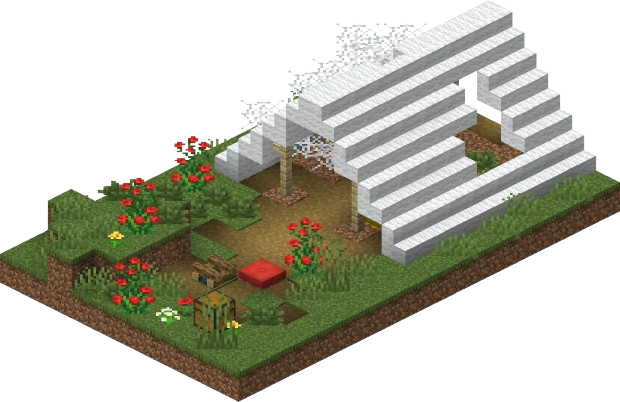
Minecraft abandoned camp sites are small structures consisting of wool tents with chests and barrels that generate in various Overworld surface biomes. These camps sit in specific locations across 18 biomes, including the dappled forest biome, badlands biome (specifically Wooded Badlands), and areas with poplar trees (Pale Garden).
Structure Features
-
Tent structures made of white wool stairs with biome-specific fence variations.
-
Multiple container types including chests, barrels, and rarely, hidden oxidized copper chests containing random loot from a specialized loot pool.
-
Campsite areas with unlit campfires, straw beds, cushions, and a crafting table inside some variants.
-
Environmental integration with some camps featuring crop farms, trees, or leaf coverage.
The structure's appearance varies significantly based on the biome where it generates. In the badlands biome variant, you might find red sand elements, while the dappled forest biome version integrates with local flora.
What is a Pillager Outpost?
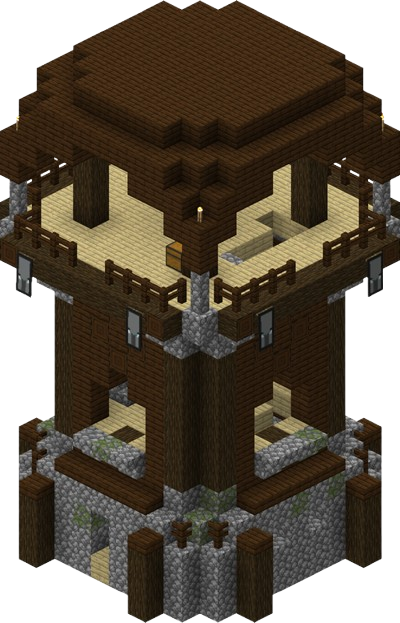
A pillager outpost consists of a 4-story pillager outpost watchtower with other smaller outpost structures around it. The outpost tower is the main feature, but the complex includes various peripheral buildings.
Pillager outposts are one of the most reliable ways to find outpost captains, who can be killed to obtain ominous bottles.
The pillager outpost watchtower generates with pillager banner displays (previously known as ominous banners). These banners are a distinctive feature of the structure.
Generation and Location Mechanics
Abandoned Camp Generation
Minecraft abandoned camp sites generate in 18 specific Overworld biomes. They do not generate in a desert biome, snowy mountaintop, or standard desert village locations. Instead, they appear in forested and grassland areas.
Generation Pattern:
-
Camps follow a 34×34 chunk grid system
-
Each region contains a single generation attempt
-
If the selected location is not within a valid biome, the camp does not generate
-
Minimum spacing: 8 chunks apart
-
Maximum spacing: 60 chunks apart
-
Average distance between camps: 34.5 chunks
Pillager Outpost Generation Mechanics
Understanding pillager outpost spawn area mechanics is critical for players. Pillager outposts are semi-rare structures. When searching for a pillager outpost, players should know they generate every several hundred to several thousand blocks.
Pillager outposts generate in specific biomes, but you will never find a pillager outpost located inside a desert village. They avoid village boundaries in Java Edition. However, unusual pillager outpost generation can occur in Bedrock Edition where they may generate closer to villages than intended.
Technical Generation Details: The main outpost structure always generates, while up to 4 other smaller structures may spawn around the periphery. In cases where the outpost spawns in water or air (such as near a savanna plateau), a submerged platform or foundation spawns underneath it. This platform is typically made of grass, dirt, and stone in a circular shape. This ensures the outpost tower has a valid base even on uneven terrain or over water, preventing the structure from floating or being submerged.
Foundation materials vary by edition. This differs from Java Edition where the terrain adaptation is handled differently.
Mob Spawning Mechanics
Pillager Spawning
In Java Edition, only pillagers can spawn in this area, making it uniquely dangerous. Pillagers naturally spawn on any valid opaque block (except leaves) as long as the block light level is 8 or less.
Spawn Location Details: Pillagers spawn in a large area around the tower. There is a 6% chance for a pillager to spawn as a patrol leader (captain).
In Bedrock Edition, the mechanics differ significantly. Pillagers spawn at the highest available position in up to 4 columns. The spawn location varies based on orientation: 2 spots when the door faces east/west, 4 for north, and 1 for south. Pillagers need a clear, dark space to spawn.
Eight pillagers, including the pillager captain, spawns in a pillager outpost upon generation. Additionally, outpost captains spawn continuously in the area, making these locations persistent threats.
Rescue Operations: Allays and Iron Golems
One of the unique aspects of pillager outpost inside areas is the presence of cages. Iron golem cages spawn with an 85% chance during the initial generation of the outpost. Allay cages spawn with a 50% chance. When these iron golem cages spawn, they contain an iron golem that can punch pillagers who are one block away from the fences, providing a temporary defense mechanism.
Similarly, when allays spawn in these cages (up to 3 allays), they can be rescued by the player.
Structure Composition and Technical Details
Pillager Outpost Composition
A pillager outpost consists of specific components defined by structure blocks. Using a structure block, players can manually load pieces of the outpost from the game files. The pillager outpost watchtower requires hundreds of blocks including dark oak planks, birch planks, and cobblestone.
Technical Structure Generation: The game automatically builds these structures to fit the terrain.
Some towers generate with moss and vines to look old. This creates the "overgrown" variant where the game attempts to add random mossy cobstone and decay effects to make the outpost look older. This is part of the random loot generator and structure variation system that makes each outpost unique, though the core layout remains consistent. They are standalone complexes.
Abandoned Camp Composition
In contrast, a Minecraft abandoned camp consists of a tent and campsite. The tent variant is determined by the biome. The campsite variant is selected from a pool of 45 default variants and 4 additional biome-specific variants. As a result, 8,820 unique configurations are possible.
These camps use local materials like wood from the surrounding area. You might find poplar trees elements in the Pale Garden variant, or specific fence types matching the local biome.
Loot Analysis: The Core Comparison
Pillager Outpost Chest Loot
The pillager outpost chest loot table is specific and limited. Each pillager outpost contains a single chest with a random loot generator that pulls from 6 pools.
Pillager Outpost Chest Loot Contents:
-
Building materials: Dark Oak Log (100% chance)
-
Agricultural items: Wheat, Carrot, Potato
-
Experience items: Bottle o' Enchanting
-
Combat equipment: Crossbow (50% chance)
-
Special items: Goat horn** variants** (50% chance) - Note: Only standard Goat Horns are available.
-
Ammunition: Arrow, String
-
Redstone components: Tripwire Hook, Iron Ingot
-
High-value items: Sentry Armor Trim Smithing Template (25% chance)
-
Rare, enchanted items: Enchanted Book (11% chance)
This random loot generator ensures that while some items are common, the high-value Sentry Armor Trim and Enchanted Books are rare. The loot pool is designed to be less valuable than other structures to balance the risk of combat.
Abandoned Camp Loot
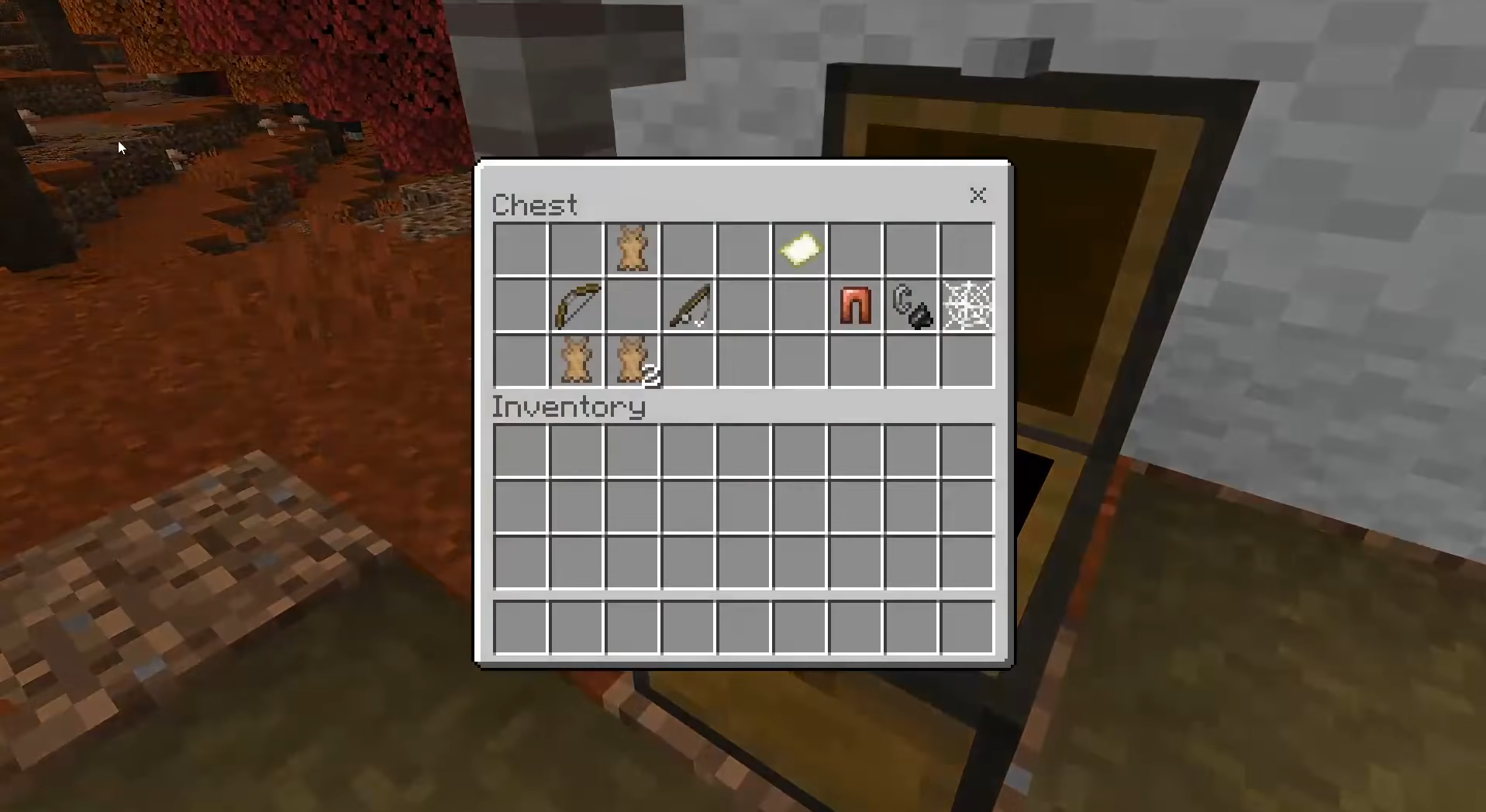
Minecraft abandoned camp sites offer a different loot pool structure with multiple containers.
Barrel Loot: Contains basic resources like Bone, Coal, Wheat, and tools.
Common Chest Loot: Includes iron gear components (though not full sets), Copper equipment, and maps.
Secret Chest Loot: This is where the value lies. The random loot generator for secret chests includes:
-
Valuable metals: Copper Ingot, Gold Ingot, Iron Ingot
-
Diamonds: 36% chance
-
Potions: Healing, Leaping, Night Vision, Swiftness
-
Explorer Maps: Including desert pyramid generated location maps, Buried Ancient City maps, etc.
The loot pool for Minecraft abandoned camp secret chests is significantly more valuable than the pillager outpost chest loot.
Strategic Value and Risk Assessment
Risk Factors
Pillager Outpost:
-
High Risk: Eight pillagers including outpost captains patrol the area.
-
Continuous Threat: Pillagers naturally spawn in the area continuously.
-
Bad Omen: Killing outpost captains triggers the Bad Omen effect.
-
Combat Required: You must fight through eight pillagers to access the single chest.
Abandoned Camp:
-
Zero Risk: No mobs spawn at these locations.
-
No Combat: Safe to loot for all players.
-
No Negative Effects: No Bad Omen or raid triggers.
Loot Efficiency
Pillager Outpost:
-
Containers: 1 chest per main outpost structure.
-
Value: Medium. The loot pool lacks diamonds, large metal quantities, or potions.
-
Exclusive Items: Sentry Armor Trim, Goat Horn.
Abandoned Camp:
-
Containers: Multiple (Barrels, Common Chests, Secret Chests).
-
Value: High. The loot pool includes diamonds, potions, and metal ingots.
-
Exclusive Items: Copper equipment, specific potions.
The Verdict: Which to Loot First?
For Resource Gathering: Abandoned Camp
For players seeking iron gear, diamonds, potions, or general resources, the Minecraft abandoned camp is the superior choice. The loot pool is richer, the risk is zero, and the multiple containers provide significantly more resources per structure found.
The ability to find desert pyramid generated maps and other explorer maps at these camps also accelerates exploration without the danger associated with pillager outpost raids.
For Specific Goals: Pillager Outpost
You should only prioritize a pillager outpost if you specifically need:
-
Sentry Armor Trim: Exclusive to this loot pool.
-
Goat Horn: Specifically, goat horn variants (standard only).
-
Bad Omen: To intentionally trigger raids.
-
Allay Rescue: To free allays from allay cages spawn locations.
Technical Exploration Tips
Finding Structures
Locating Pillager Outposts: Since pillager outposts are rare and pillagers naturally spawn only in specific conditions, using the /locate command is recommended. Remember that outpost captains spawn only at these locations, making them the sole source for Bad Omen.
Locating Abandoned Camps: Minecraft abandoned camp sites are more regularly spaced. Focus on the 18 valid biomes. Look for visual indicators like poplar trees elements in Pale Garden biomes or specific fence types.
Maximizing Safety
At Pillager Outposts:
-
Be aware that pillagers naturally spawn in the area continuously.
-
Outpost captains spawn in the watchtower; eliminate them carefully.
-
Remember that only pillagers spawn in the outpost area in Java Edition, so any other mob presence indicates a different issue.
-
The block light level must be 8 or less for pillagers to spawn, so lighting up the area can prevent additional outpost spawns after you clear it.
-
Note that iron golem cages spawn with entities that might punch pillagers, but do not rely on them for defense.
At Abandoned Camps:
-
No special safety measures needed.
-
Search thoroughly for secret chests which may be hidden under blocks.
Conclusion
When comparing pillager outpost chest loot versus Minecraft abandoned camp resources, the choice is clear for most players. Minecraft abandoned camp sites offer a safer, more rewarding experience with a superior loot pool containing diamonds, potions, and metal ingots.
Pillager outposts serve a niche role for players seeking specific exclusive items like Sentry Armor Trims or Goat Horns, or for those intentionally trying to trigger raids. The pillager outpost watchtower and its associated outpost structures present a high-risk, low-reward scenario for general looting compared to the abundant and safe resources found at Minecraft abandoned camp sites.
Final Recommendation: Prioritize Minecraft abandoned camp exploration for resources. Reserve pillager outpost visits for specific, advanced goals.
Note: Minecraft abandoned camp information is based on Third Drop 2026 development versions. Pillager outpost mechanics are based on current live versions. Features and loot pool contents may change upon official release of new updates.