When Did Minecraft Come Out?
Discover the history of Minecraft’s release. Learn when the original version came out, its official launch date, and how it became one of the world’s most popular games.

Shahrukh Sial is a Gaming Content Strategist at Sparked Host. He identifies his own strategic outlines through deep research to cover game guides, tips, and updates that help players improve their skills and enjoy a better gaming experience.
Imagine a video game where you can build anything your mind can dream up. You are the architect, the explorer, and the hero all in one. You can dig deep into the earth, build a towering castle, or survive the night against terrifying monsters.
This is the magic of Minecraft, a game that has captured the hearts of millions around the world. It is not just a game; it is a creative sandbox, an entire world filled with endless possibilities. But how did this blocky, pixelated phenomenon come to be?
When did this massive video game franchise first see the light of day? The answer is not a single date but a journey that started with a simple idea and evolved into the best selling video game of all time. Let us take a trip back in time and explore the humble beginnings of Minecraft, from a one person project to a global sensation.
2009: Cave Game Is Released
Before it was the beloved Minecraft we know today, this incredible debut game was just an early version known as Cave Game. In May 2009, Swedish developer Markus Notch Persson created this simple base building game during a weekend. The first version, which was initially released to the public on May 17, 2009, was a very basic prototype. It was not a huge production by a big studio. This was a singleplayer indie project, a passion-driven creation. The original idea was to combine the base building of a game called Dwarf Fortress with the blocky, infinite game world of Infiniminer.
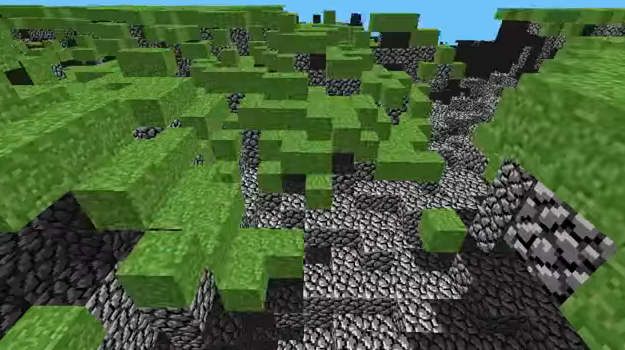
The first version of the game had no survival mode, no complex crafting system, and no monsters. It was simply about digging and placing blocks. There was just a game world to explore and a few types of blocks.
The game, which would later become the Java Edition, was a small, downloadable game that was shared on a forum for independent developers. This early version was a free experience, but it was clear even then that there was something special about the freedom it offered.
It was a simple concept, yet it resonated with players who found immense enjoyment in the pure creative control it provided.
The response from the growing Minecraft community was so positive that Notch continued to develop the game, adding new blocks and features, slowly building the foundation for what would become one of the most important games in the history of video games.
This was the start of the adventure, long before anyone had heard of the Ender Dragon or the Nether.
2010: Minecraft Gets Its Crafting System – Plus Minecarts and Multiplayer
The year 2010 was a huge turning point for Minecraft. It was still in its alpha phase, but it transformed from a simple block-building game into the survival-adventure game we know and love today.
Crafting and Survival
The biggest change was the introduction of crafting. Before this, you could only break and place blocks. But now, with a crafting table and recipes, you could gather materials to make tools, weapons, armor, and other items. This was a game-changer.
Along with crafting, the first official survival mode was added. This meant you had to worry about your health and a hunger bar. You also had to defend yourself from monsters that would appear when it got dark. The goal was no longer just to build; it was to survive the night.
New Features and Community Growth
Beyond the core gameplay changes, 2010 also saw some important new additions:
-
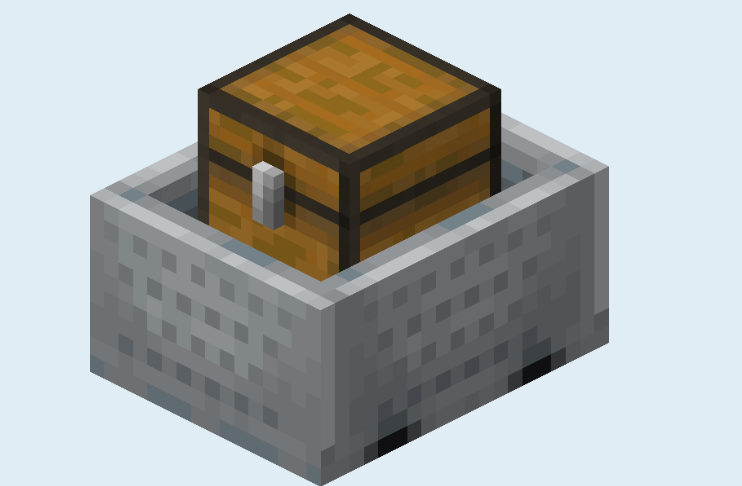
Minecarts: The game got minecarts, which made it possible to build basic railways for transportation.
-
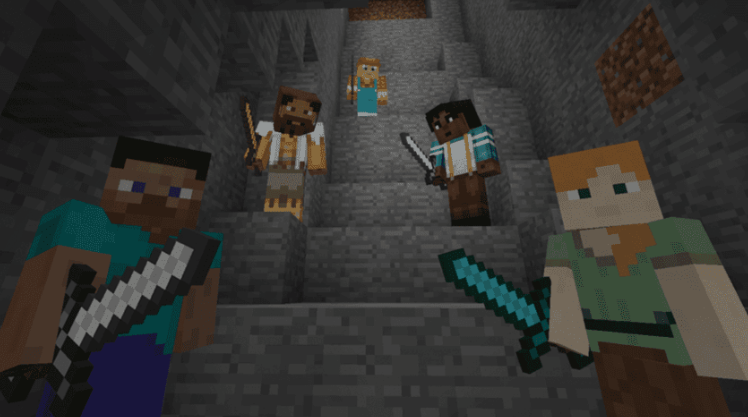
Multiplayer: A simple multiplayer mode was introduced, which let players connect and play together. This was the very beginning of the huge multiplayer community that exists today.
-
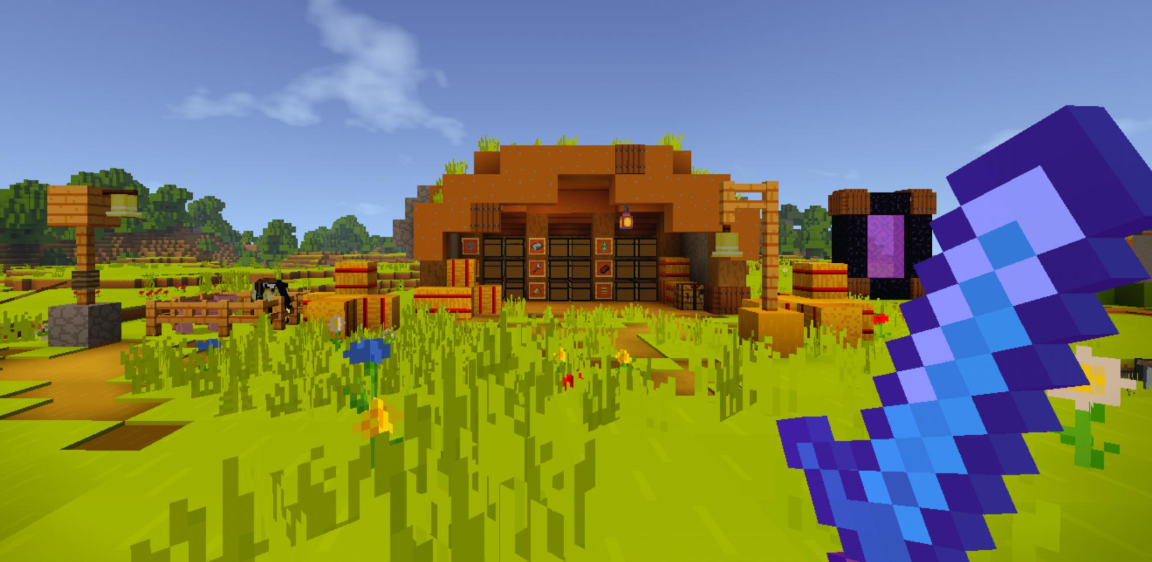
Mods: A small but dedicated group of players started creating their own mods and texture packs, which were the first steps in the amazing modding scene that would later explode.
By the end of 2010, Minecraft was no longer just a small project. It had become a dynamic, evolving game with a passionate fanbase, and it laid the foundation for everything that would come next.
2011: Minecraft 1.0 Released – and the First Port Arrives
2011 was a huge year for Minecraft! It's when the game finally "grew up" and started to become the massive franchise we know today.
Full Release: The Adventure Update
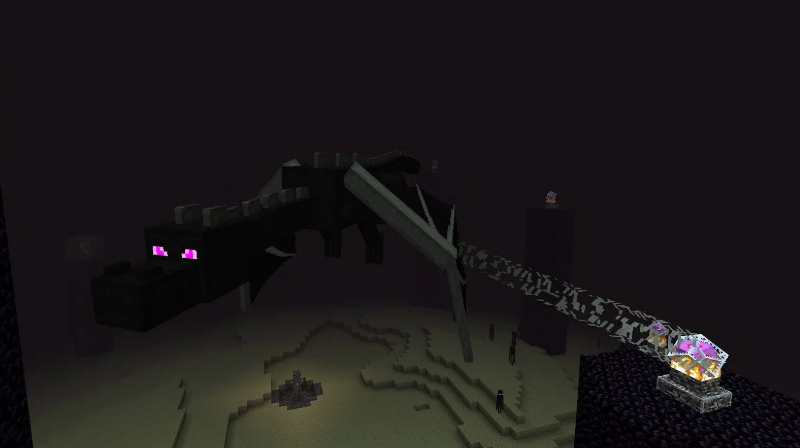
On November 18, 2011, at the first-ever MineCon event, Minecraft was officially released as version 1.0. This was a really big deal because it meant the game was no longer in its testing phase.
This update was called the Adventure Update because it added a bunch of things to give the game a real story and a goal:
-
The Ender Dragon: For the first time, there was a final boss to fight in a new world called The End. This gave players a clear mission.
-
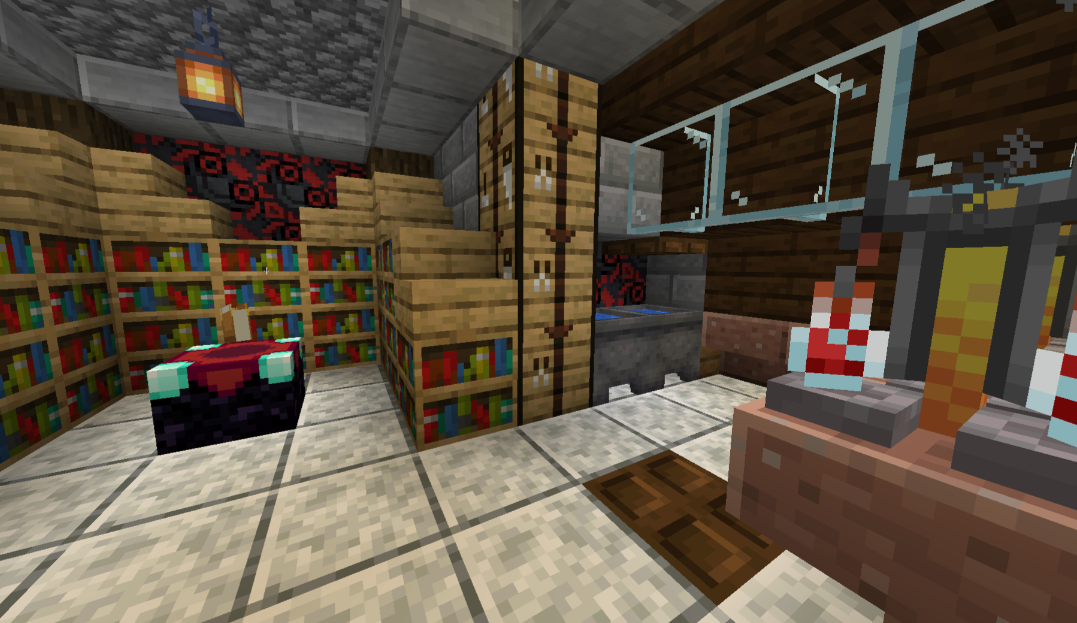
New Skills: They also added things like enchanting and brewing. This meant you could make your tools and armor more powerful and create cool potions to help you on your adventures.
Minecraft Goes Mobile
But that wasn't all for 2011, This was also the year Minecraft began to spread to other devices. The Pocket Edition was released for phones and tablets.
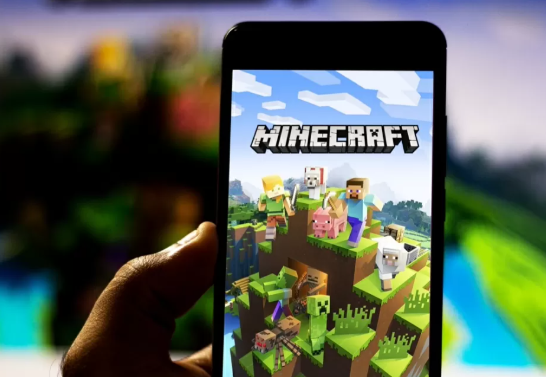
This was a huge deal because it brought the game to millions of new people who had never played it before. It was a slightly different version, built for touch screens, but it had the same core spirit of building and exploring. This was the very first step in Minecraft becoming available on almost every gaming device imaginable.
2012: Minecraft Releases On Xbox 360
The year 2012 marked another significant step in Minecraft’s history with the release of the game on the Xbox 360 console. This was a monumental move, bringing the game to a much wider audience of console players who were not familiar with PC gaming. The Xbox 360 version was a huge success, quickly becoming one of the best selling games on the platform. It introduced a new generation of players to the joys of survival mode and creative mode.
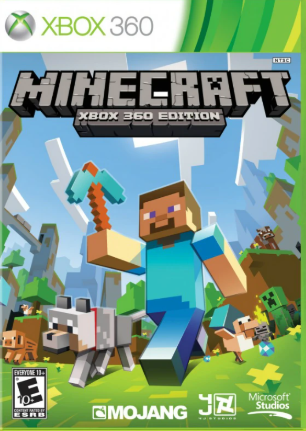
This version was developed by 4J Studios and was specifically designed for the console experience, with an updated user interface and different controls. This was the beginning of what would become the Legacy Console Edition, a line of versions specifically made for older consoles like the PlayStation 3, PlayStation 4, and Nintendo Switch. The success of the Xbox 360 version proved that Minecraft was not just a PC phenomenon but a true video game juggernaut. It solidified the game's position as a cultural touchstone, something that was more than just a game; it was a global sensation.
2013: The Redstone Update Changes Everything
Minecraft has always been about creativity, and the 2013 Redstone Update took that to a whole new level. The update overhauled Redstone, the game's version of electrical wiring, and added new components like comparators and hoppers. These new additions made it possible for players to build incredibly complex machines, from automated farms to intricate, computer-like contraptions. The creativity of the Minecraft community exploded with this update. Suddenly, things like automatic doors, combination locks, and even working calculators were possible within the game world.
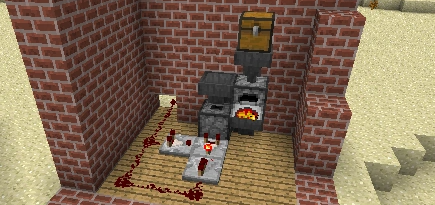
The Redstone Update was a milestone for the game, proving that its core mechanics could be expanded in ways no one had ever imagined. It also laid the groundwork for future updates that would focus on more technical aspects of the game. This was also the year that the Horse Update was released, introducing horses as a new way to explore your Minecraft world. It was an exciting time to be a player, with new features constantly being added to the ever-expanding game. This was the point where many players realized that this was not just a game; it was an important game that could be a platform for creation and engineering.
2014: Microsoft Buys Minecraft
2014 was a huge, nerve-wracking year for Minecraft fans. This was the year that a massive company, Microsoft, bought the small, independent studio behind the game, Mojang, for a whopping $2.5 billion.
A lot of players were worried. They loved that Minecraft felt like a game made by passionate people, not a giant corporation. They were afraid that Microsoft would change the game for the worse or ruin its unique feel.
However, things didn't turn out that way. Under Microsoft's ownership, Minecraft actually grew and became even bigger. The purchase gave the developers more resources and opportunities to expand the franchise.
-
One of the first big results of this was a new spin-off game called Minecraft: Story Mode. It was a game with a real story and characters, a completely different way to experience the Minecraft world.
-
The purchase also led to the creation of the Bedrock Edition, which became the version of the game that you can play on consoles and phones. This was a huge deal because it meant more people could play Minecraft than ever before, and it showed just how important the game had become.
So, while the Microsoft purchase was a scary moment for many fans, it ultimately helped the game grow and reach a much wider audience.
2015: Combat Update
The year 2015 brought a significant change to the core gameplay with the Combat Update. This update overhauled the combat system, adding a new attack cooldown mechanic and changing how bows and swords worked. This update was a bit controversial among the Minecraft community at first, as it fundamentally changed how players had been fighting mobs and each other for years. However, it added more depth to the fighting and made it more strategic.
2016: Exploration Update
The big update in 2016 was called the Exploration Update. It was all about making the game feel new and exciting again, especially for people who love to go on adventures.
-
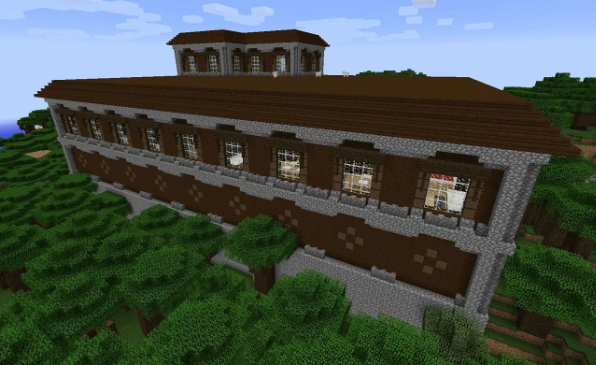
Woodland Mansions: They added huge, spooky mansions in the middle of dark forests. These were like giant dungeons full of new, tough monsters called "illagers." It was a great challenge for players.
-
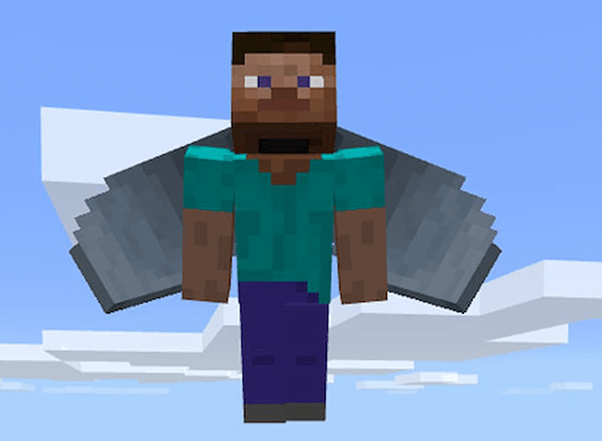
Elytra: This was a game-changer! They added a special set of wings that you could find in the End dimension. When you had these wings, you could glide through the air and fly across the world, which completely changed how you could travel.
-
Shulker Boxes: This was another awesome addition. Shulker Boxes are like special chests that you can pick up and carry with you, and they keep all the items inside. It made it so much easier to carry a ton of stuff, which is a huge deal for a survival game.
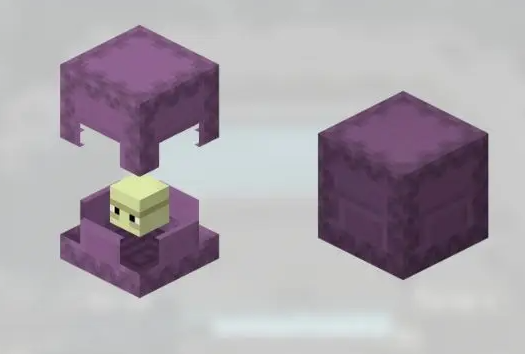
Basically, the Exploration Update brought back that feeling of wonder and discovery, proving that even after all those years, there were still amazing new things to find in the world of Minecraft.
2017: World of Color Update
This update was a dream come true for anyone who loves to build and get creative in Minecraft. It was all about adding tons of new colors and materials to the game.
-
Lots of New Blocks: They gave us brand new blocks like concrete and glazed terracotta, which come in all sorts of different colors and patterns. This meant you could make your builds look way more detailed and cool.
-
Colorful Beds: You could finally dye beds any color you wanted, instead of being stuck with just red.
-
New Tools for Artists: The update was a clear sign that the developers wanted to help players create amazing things. They gave us the tools to be more artistic than ever before, which made building a lot more fun and personal.
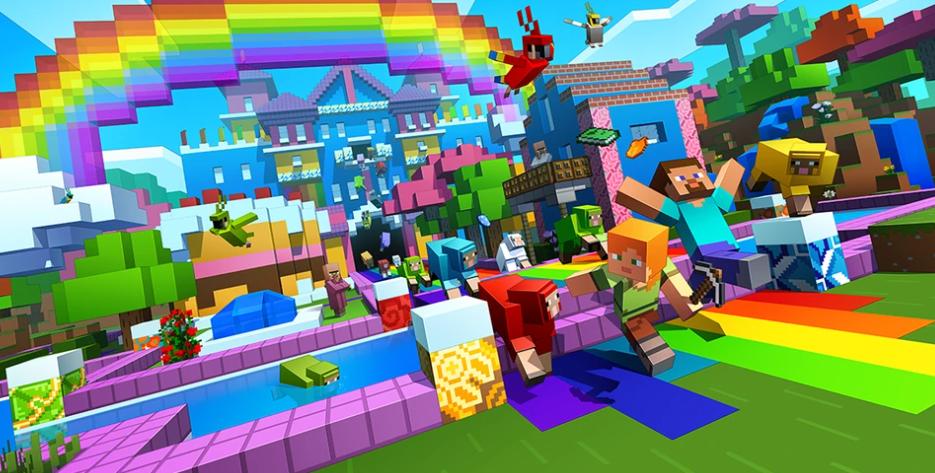
This wasn't just a small update; it was a way for the creators to say, We see you, builders, and we want to help you make your dreams in Minecraft a reality.
2018: Update Aquatic
The Update Aquatic completely transformed the game's oceans. Before this update, the oceans were fairly empty and boring.
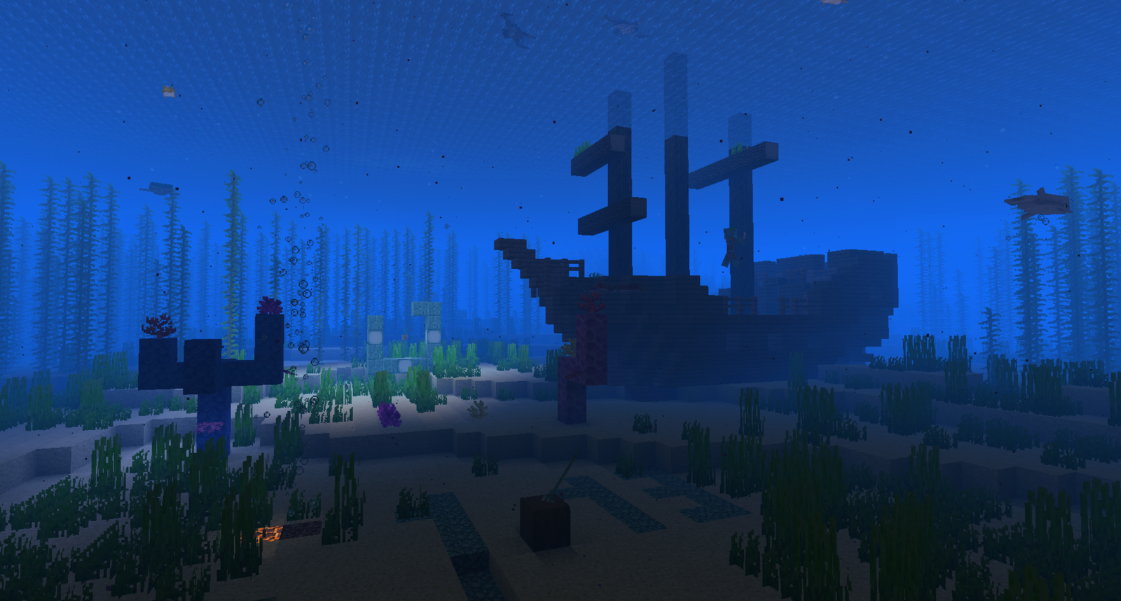
The Update Aquatic added a huge variety of new mobs, blocks, and items, including dolphins, turtles, and colorful fish. It also introduced new ocean biomes, shipwrecks, and coral reefs. This update was a huge hit, making ocean exploration a fun and rewarding part of the game world. It was also the year that Minecraft: Earth, a new augmented reality version of the game, was announced, bringing the Minecraft franchise into a whole new dimension. This was another example of the game’s constant evolution.
2019: Village & Pillage + Buzzy Bees Updates
The year 2019 was a double header for major updates. The Village & Pillage update completely revamped the villages and their inhabitants, the villagers.
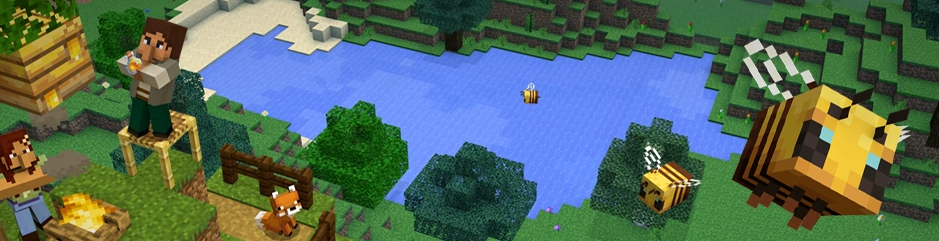
It also added new pillager mobs and a raid mechanic, giving players a new challenge to face. This update breathed new life into the villages, making them more interesting and dynamic. Later in the year, the Buzzy Bees update was released, adding bees to the game. It was a smaller, more charming update that added a new passive mob and new crafting recipes related to honey and bee nests. These updates showed that the developers were not only focused on big changes but also on smaller, more delightful additions that enriched the entire experience. They continued to show that Minecraft was not just a game; it was a constantly growing ecosystem.
2020: Nether Update
The Nether Update was arguably one of the most significant updates in the game’s history. It completely overhauled the Nether, the game's hell-like dimension.
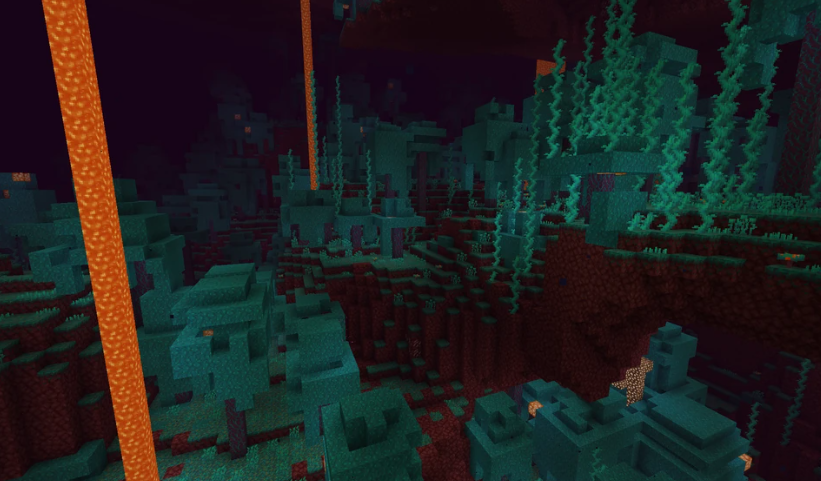
It added new biomes, new mobs, and new blocks, transforming the once-monotonous dimension into a rich and dangerous place to explore. It also introduced Netherite, a new, powerful material that surpassed even diamond. This update was a game changer for players who loved to explore and face new challenges. It was a massive undertaking that showed the developers were still willing to make big, fundamental changes to the game world to keep things fresh and exciting. The Nether Update was a testament to the game's enduring legacy.
2021: Caves & Cliffs Parts I & II
The Caves & Cliffs Update was so large that it had to be split into two parts. Part I, released in the summer of 2021, added new mobs like goats and axolotls, along with new blocks like copper and amethyst. Part II, released at the end of the year, was the true game changer.
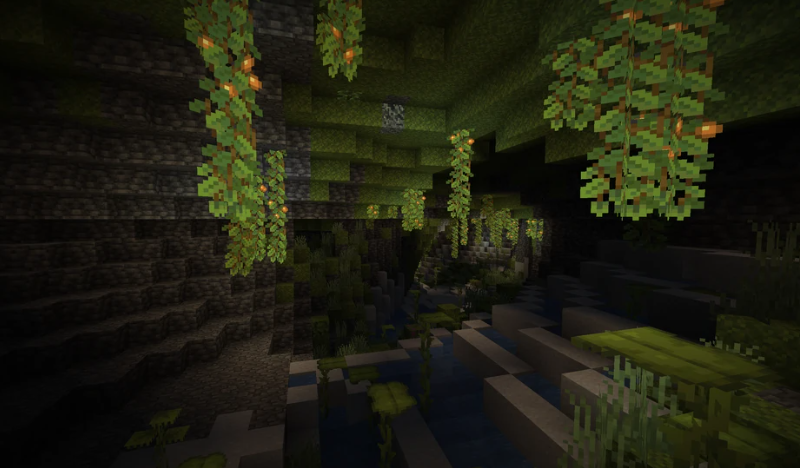
It completely overhauled world generation, making caves massive and epic, and raising the height limit of the game world. It introduced new mountain biomes and sprawling cave systems that made exploration feel brand new again. This update brought a sense of adventure to the game that had not been seen in a long time. It made the game world feel truly immense and more dynamic than ever before. This was not just a game anymore; it was an incredible world filled with new secrets.
2022: The Wild Update
The Wild Update focused on bringing new life to the game's most desolate biomes. It introduced the Deep Dark, a terrifying new biome that was home to the Warden, a powerful, blind mob that hunted based on sound.
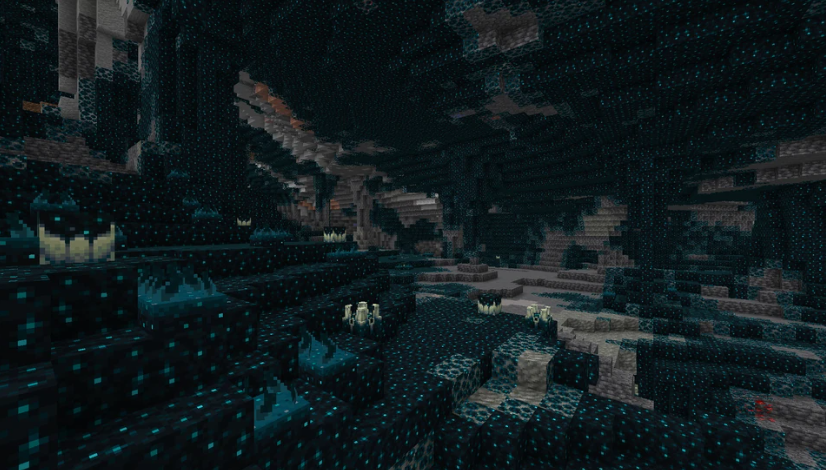
It also added the Mangrove Swamp biome, a lush, green swamp filled with new mud blocks. The Wild Update was a clear sign that the developers were still focused on adding new layers of depth and challenge to the game. It also continued to expand the lore and world building of the Minecraft franchise, making it a richer experience for players who enjoy survival mode. This was a great update for players looking for a new adventure.
2023: Trails & Tales Update
In 2023, the main Minecraft game got a big update called Trails & Tales**.**
-
Think of it as the be creative update. It was all about giving you more ways to express yourself in the game.
-
They added cool stuff like digging for buried treasure (archaeology) and beautiful cherry blossom trees with pink leaves.
-
You could also put designs on your armor to show off, and ride camels with a friend.
On top of that, Minecraft got a brand new game called Minecraft Legends.
-
This wasn't like regular Minecraft. It was a new type of game called a strategy game.
-
Instead of building and surviving on your own, you had to lead an army to fight bad guys. It was a totally new way to play in the Minecraft world.
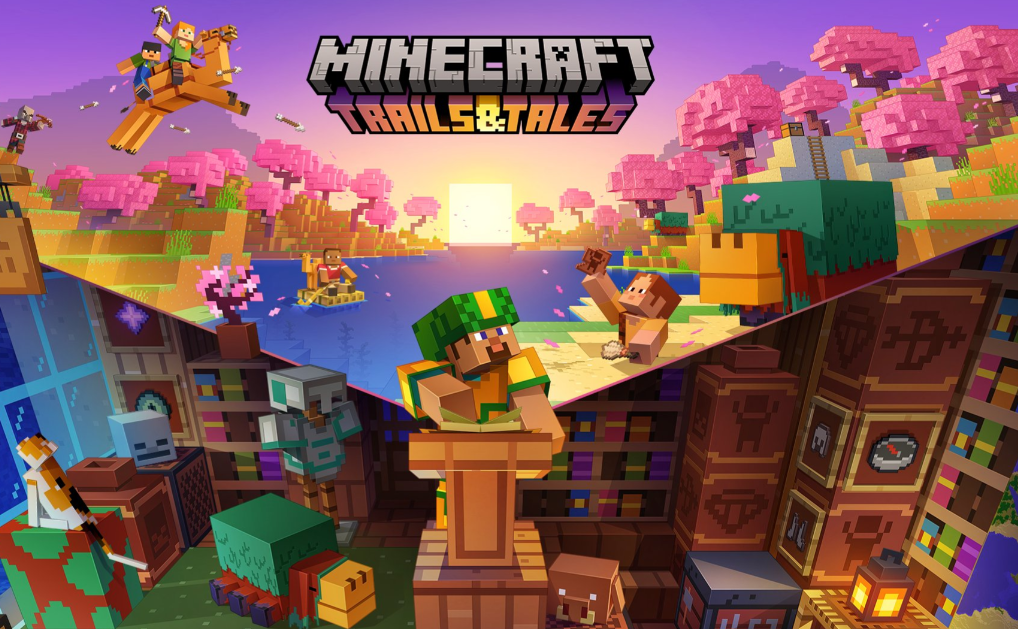
Plus, the other spin-off game, Minecraft Dungeons, also got new content. So, 2023 was a year where the Minecraft world didn't just get a little bigger—it got a lot bigger with new adventures to explore.
2024: Tricky Trials Update
The big news in 2024 was the Tricky Trials update. This one was all about adding new challenges for players who love adventure and a good fight.
The main thing they added was the Trial Chamber. Think of it as a new type of underground dungeon that's filled with new enemies and traps. Every time you go in, it's a little different, so it's always a new adventure!
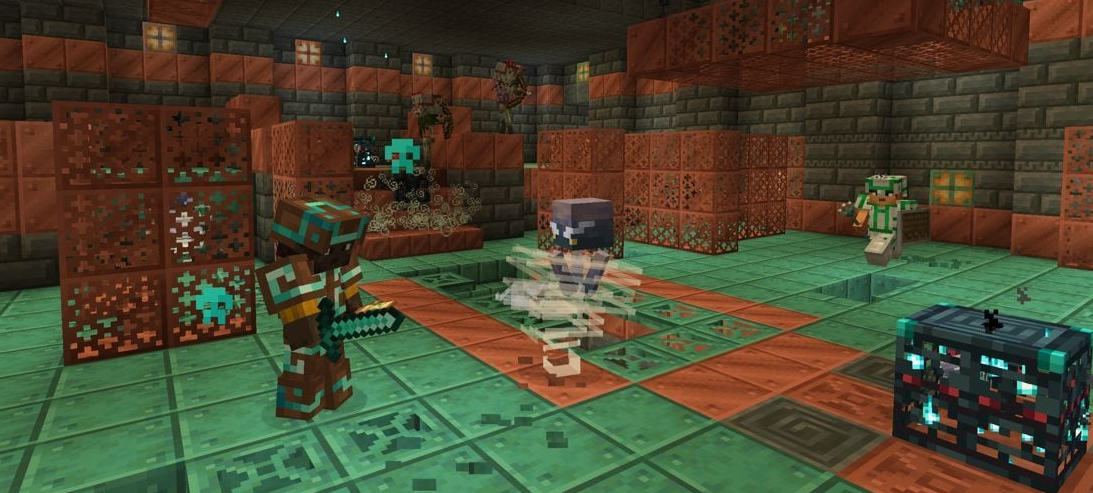
Inside these chambers, you can find a cool new weapon called the Mace. It's super strong and can do a ton of damage, especially if you fall from high up and smash it down on a monster. They also added the Crafter, a block that can automatically make things for you using Redstone, which is a dream come true for players who love building complex machines.
And finally, something everyone had been waiting for forever: bundles! This new item lets you put a bunch of different things into one inventory slot, which makes managing your stuff so much easier. It was a great example of the developers listening to what the community really wanted.
2025: Happy Ghasts, Vibrant Visuals & Spring To Life
2025 has been a really exciting year for Minecraft so far! It feels like the game is getting new stuff all the time.
First, we had the Spring to Life update back in March. This one was all about making the world feel more alive. They added warm and cold versions of animals and even tiny details like falling leaves. It just made the world feel more real.
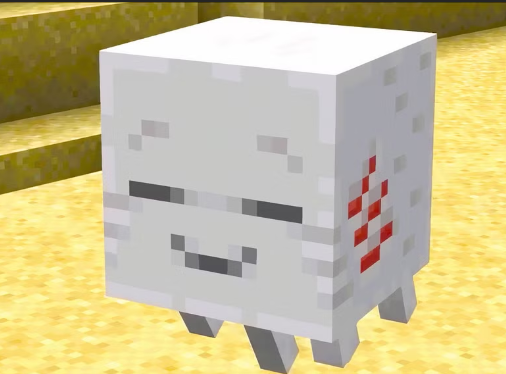
Then, in June, we got the Chase the Skies update. This was a bigger one. They changed the Nether and the Overworld by adding different types of ghasts. The coolest part is you can now use a "happy ghast" to fly around! Plus, they made it easier to find your friends in multiplayer with a new player locator bar.
Looking ahead, there's another big update coming later this year called the Copper Age. It's going to make copper a lot more useful by adding new tools and weapons that are better than iron. They're also giving dyes a new look to make them easier to tell apart and bringing in the long-awaited copper golem.
The best part? Both the Java and Bedrock versions are getting a huge visual upgrade with ray tracing and better lighting. It's going to make the game look incredible.
2026 Minecraft Updates
Imagine Minecraft is a huge book, and every year, they release new chapters. Well, for 2026, it's not just new chapters for the main book—it's a whole new book and more!
A Brand New Game: Spicewood
First up, there's a new spin-off game called Spicewood coming in the spring. Think of it as a separate adventure, kind of like a new movie based on a book. From what people are guessing, it seems like a sequel to Minecraft Dungeons, which was all about fighting monsters and exploring dungeons. So, if you loved that game, you're in for a treat! It'll have its own story and cool new places to explore.
The Main Minecraft Game: More Stuff, More Often
The main Minecraft game isn't going anywhere. In fact, they're changing how they add new things. Instead of one big update each year, they're planning on dropping smaller updates more often throughout 2026. This means the game will always feel fresh with new things to do.
A Big, Mysterious Update (The End?)
And for the big finale, at the end of 2026, there will be a major content update announced at an event called Minecraft Live. The big rumor everyone is talking about is an End Update. Right now, the End dimension (where you fight the dragon) is pretty empty. Players have been asking for a big change to it for a long, long time. So, while it's just a rumor, it's something the community is super excited about! It would be a huge deal to finally get new stuff in that part of the game.
So, to sum it up, 2026 is about a new game to explore and more updates for the one you already love, with the possibility of a huge update to the End. Lots to look forward to.