How to Make a Catapult in Valheim
Learn how to build a catapult in Valheim with our easy step-by-step guide. Start crafting your siege weapon today!

Shahrukh Sial is a Gaming Content Strategist at Sparked Host. He identifies his own strategic outlines through deep research to cover game guides, tips, and updates that help players improve their skills and enjoy a better gaming experience.
Accessing the central tower of a Charred Fortress requires breaking through defenses that are immune to normal weapons. If you’re wondering how to make a Catapult in Valheim, you first need to defeat Skuggs inside Charred Fortresses to get Charred Cogwheels, then use those cogwheels with Explosive Payloads to craft and operate the siege weapon. For Valheim players trying to breach fortress walls, gates, and spiked defenses to reach the loot and objectives inside, the Catapult is the safer ranged option compared with the Battering Ram.
The fortress walls, gates, and spiked defenses can only be destroyed by Pickaxe damage of Tool Tier 5 or higher, which is why siege equipment matters here. Below, we’ll cover why the Catapult is needed, how to get Charred Cogwheels, the crafting requirements, how to use the Catapult effectively, and when the Battering Ram may be the better choice.
Why You Need a Catapult
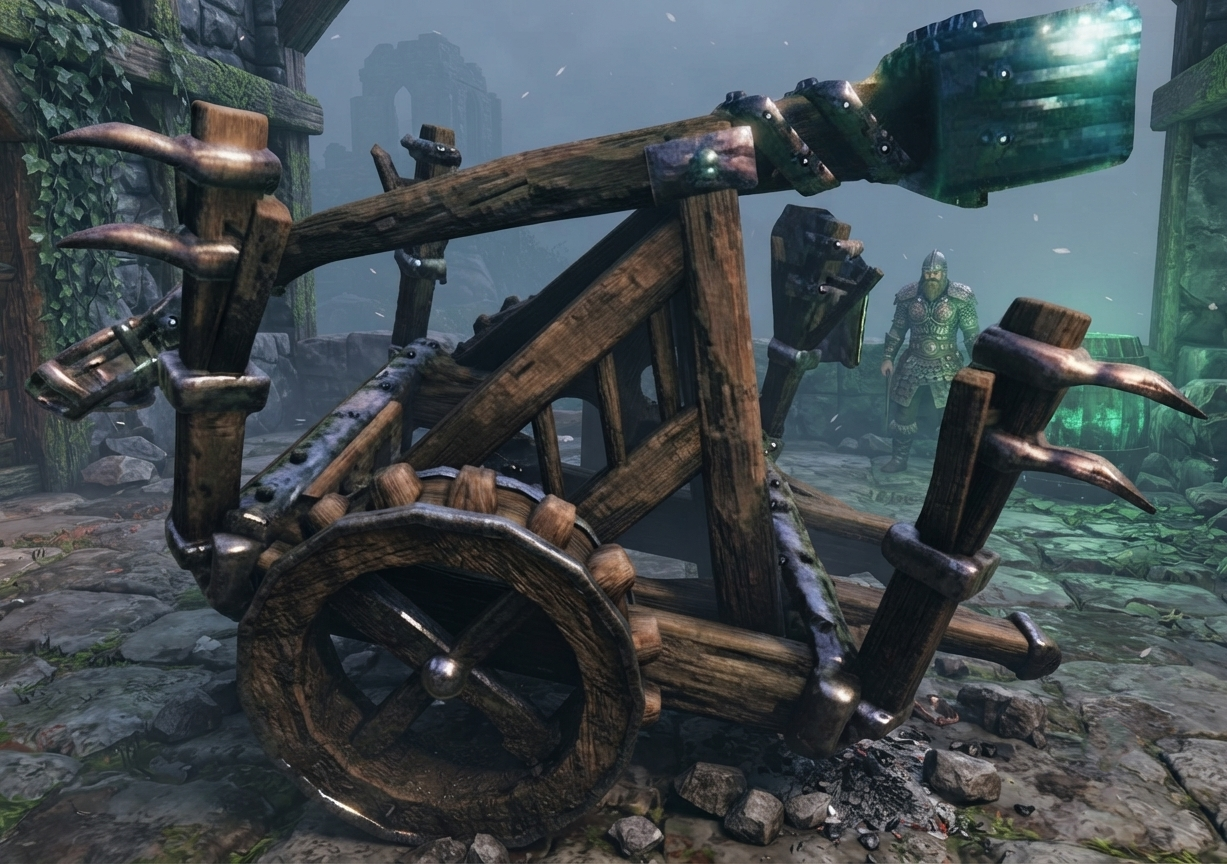
Charred Fortresses are protected by structures with extremely high durability that block your path to the Bell Altar and other valuable loot inside the central tower.
-
Exterior Walls: 1500 health per layer (three layers thick in most sections, totaling 4500 health).
-
Gates: 6000 health.
-
Spiked Defenses: 1500 health.
-
Interior Tower Walls: 1500 health (single layer).
Standard tools and weapons cannot damage these structures. You need siege equipment capable of Tool Tier 5 Pickaxe damage. The Catapult, when loaded with Explosive Payloads, fulfills this requirement and allows you to destroy these barriers from a safe distance.
Obtaining Charred Cogwheel
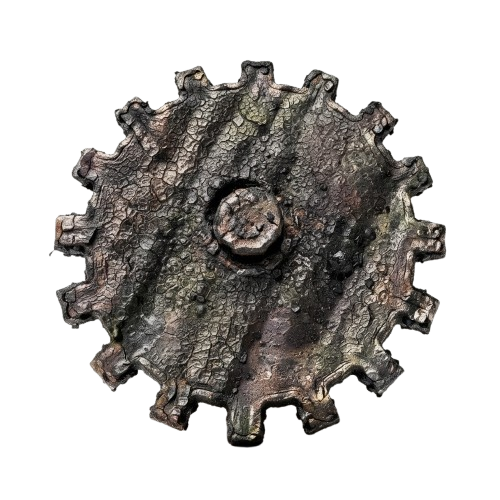
You cannot craft a Catapult without first defeating specific enemies inside a Charred Fortress.
Source: Skuggs
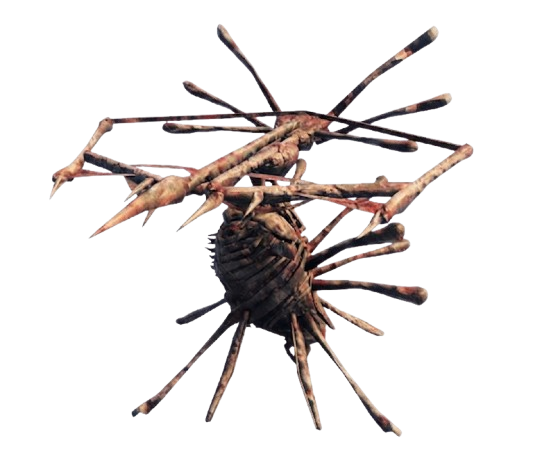
Charred Cogwheels are dropped by Skuggs, shadowy creatures that inhabit Charred Fortresses.
-
Spawn Location: Skuggs spawn in the corners of the fortress interior.
-
Spawn Chance: There is an 80% chance for a Skugg to spawn in each of the four corners.
-
Maximum Count: Up to 4 Skuggs can spawn per fortress.
Farming Strategy for Flametal Mining
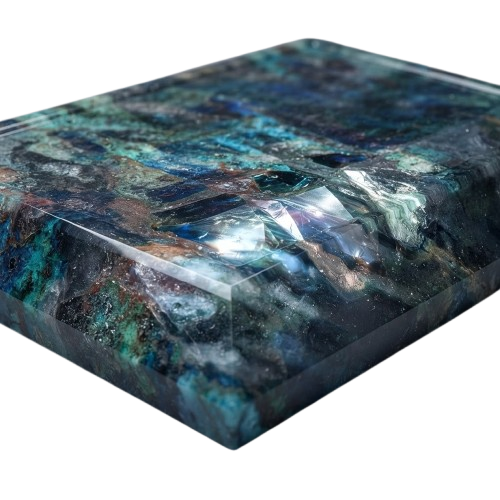
Since you may need multiple Cogwheels (depending on how many Catapults you wish to build or if you need to repair/replace them), you will likely need to clear multiple Charred Fortresses.
-
Ranged Combat: You can destroy Skuggs from outside the fortress walls using a bow, crossbow, or magic attacks. This is significantly safer than engaging them inside where you are exposed to other enemies like Charred Warlocks and Marksmen.
-
High Vantage Points: From a high enough position, such as the parapets of the fortress walls, you can target Skuggs below without entering the main courtyard.
Crafting the Catapult
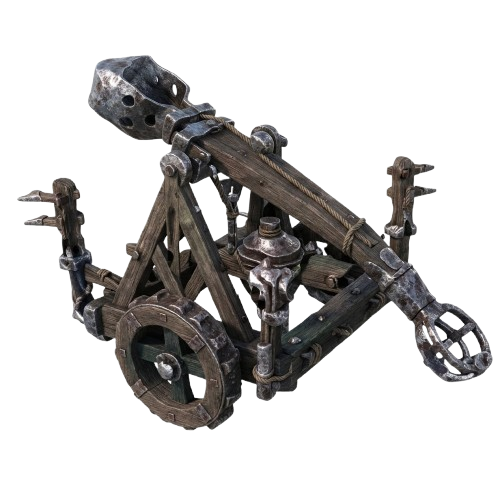
Once you have obtained Charred Cogwheels from defeated Skuggs, you gain the ability to construct the siege weapon.
Requirements
-
Key Component: Charred Cogwheel (dropped by Skuggs), along with Ashwood and Flametal, are the materials needed to build the Catapult in the game.
-
Ammunition: The Catapult uses Explosive Payloads as its ammo, and these items require a Workbench to craft before they will work in the weapon.
-
Tool Tier: When loaded with Explosive Payloads, the Catapult deals Tool Tier 5 Pickaxe damage, which is the minimum required to damage Charred Fortress constructions.
Note: The source material confirms that obtaining Charred Cogwheels "allow the player to make a Catapult." Ensure you collect the required materials, including sufficient Cogwheels from Skuggs, before attempting to construct this siege weapon.
Using the Catapult Effectively
The Catapult serves as your ranged key to unlocking the fortress interior. It can be moved like a Cart before deployment. Once its legs are deployed, it becomes harder to move.
Use it to break gates, soften up defenders, or create a safer path for a push inside. Explosive Payloads are still the best choice for breaching walls and clustered targets, while a grausten payload is better for accurate, longer-range shots. To load ammo, simply press the matching hotbar key while aiming at the Catapult’s bucket. Deploying the support spikes into the ground stabilizes the Catapult and improves accuracy on each launch. Just be careful, because the spiked legs can damage nearby objects they touch.
Target Priority
When breaching a Charred Fortress, prioritize your shots:
-
Gates (6000 health): While they have the highest health, destroying a gate creates a clear entry point. Catapult fire can also damage fortress doors if you place shots well. However, due to the high health pool, this consumes more ammunition.
-
Exterior Walls (1500 health per layer): Since the exterior walls are three layers thick (4500 total health), it is often more resource-efficient to destroy a section of wall rather than the gate, despite the gate having a single health bar. Aim at the exact point you want to hit so you do not waste shots on the wrong part of the enemy base.
-
Interior Tower Walls (1500 health): Once inside the courtyard, you must breach the central tower. These walls are only one layer thick and significantly easier to destroy with the Catapult than the outer defenses.
-
Spiked Defenses (1500 health): Clear spikes that block your path or firing angles.
Safety Considerations for Explosive Payload
-
Positioning: Set up the Catapult outside the fortress walls to avoid attacks from Charred Marksmen and Warlocks while you bombard the structure, and you may want to wait until enemies are clear before placing it in the open.
-
If you use the Catapult to launch yourself, a Feather Cape helps reduce fall damage.
-
Ammunition Management: Explosive Payloads are costly. Ensure you have enough to breach both the outer defenses and the inner tower walls before beginning your assault.
Alternative: The Battering Ram
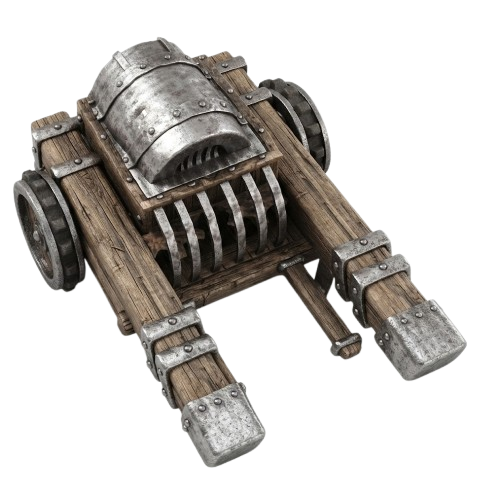
While this guide focuses on the Catapult, it is worth noting that the Battering Ram is the other Tool Tier 5 option for destroying fortress structures. The choice between the two depends on your resources and playstyle:
-
Catapult: Ranged, safer, and easy to use once positioned with its support spikes deployed for better stability and accuracy; it requires Cogwheels and an explosive payload.
-
Battering Ram: Melee range, higher risk, and using it leaves you open as an easy target, but it does not require ammunition once built.
If you need to transport the Battering Ram, you can break it down after use.
However, the Catapult offers a distinct tactical advantage by allowing you to destroy enemy spawn points (Effigies of Malice) and clear the fortress from outside, whereas the Battering Ram requires you to be adjacent to the target.
Summary
To build a Catapult in Valheim and breach the Charred Fortresses of the Ashlands:
-
Locate a Charred Fortress by looking for the green beacon in the sky.
-
Kill the Skuggs in the fortress corners (80% spawn chance per corner) to obtain Charred Cogwheels.
-
Craft the Catapult using Ashwood, Flametal, and Charred Cogwheel.
-
Load the Catapult with Explosive Payloads by using the hotbar while aiming at the bucket and add support spikes to improve aiming accuracy before you launch shots.
-
Destroy the fortress walls (1500 health), gates (6000 health), or tower walls (1500 health) to access the Bell Altar and claim your Bell Fragments.
These siege items ultimately help you breach the fortress and reach the Bell Altar by the end of the assault.
Without Charred Cogwheels from Skuggs, you cannot construct this essential siege weapon, making the Catapult the primary reason to hunt these shadowy creatures lurking in the fortress corners.