What Happens When a Sulfur Cube Splits? A Comprehensive Overview
Discover the effects of splitting a sulfur cube, including chemical changes and reactions. Read on for a detailed overview of this fascinating process!

Shahrukh Sial is a Gaming Content Strategist at Sparked Host. He identifies his own strategic outlines through deep research to cover game guides, tips, and updates that help players improve their skills and enjoy a better gaming experience.
The splitting mechanic remains one of the most distinctive features of the Sulfur Cube in Minecraft. When these creatures reach the end of their lifecycle or are defeated by a player, they exhibit a unique transformation that defies the standard rules of most other mobs. Understanding this process is vital for any player hoping to master the ecosystem of their local sulfur caves.
This process serves as a core gameplay mechanic for managing your creature population, turning a single defeat into a potential expansion of your farm. However, this growth comes with specific conditions and limitations that every player should respect. By grasping how these cubes divide, you can better organize your survival base and prepare for the various challenges these mobs present.
While splitting is the standard outcome for most cubes, there are critical moments where this mechanic is bypassed entirely. Knowing when and why these creatures stop splitting is just as important as knowing how to trigger the event. This guide covers the essential rules of the splitting process, its major exceptions, and how you can influence your farm's productivity.
Section 1: Large Sulfur Cube Death → Small Cubes
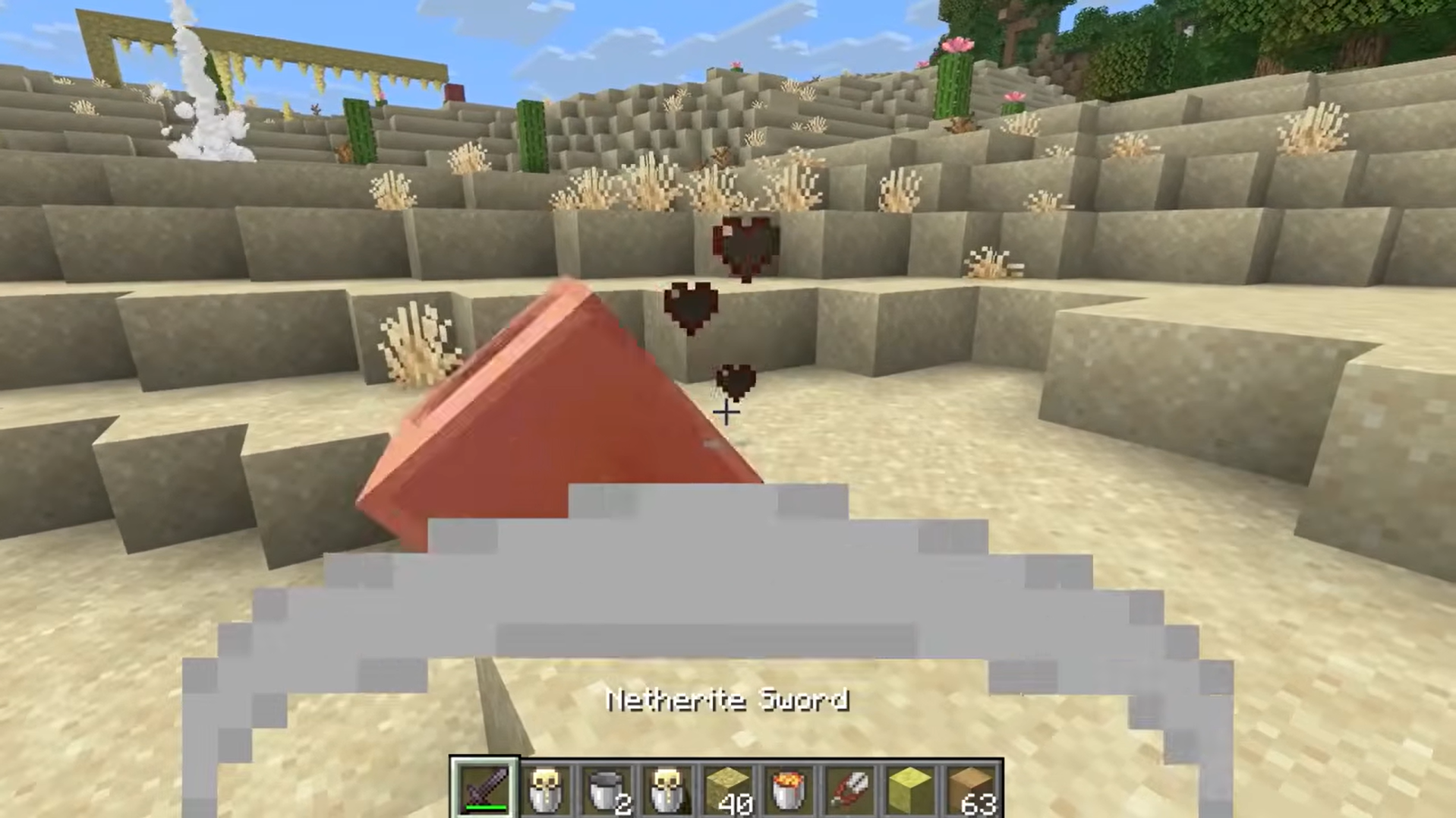
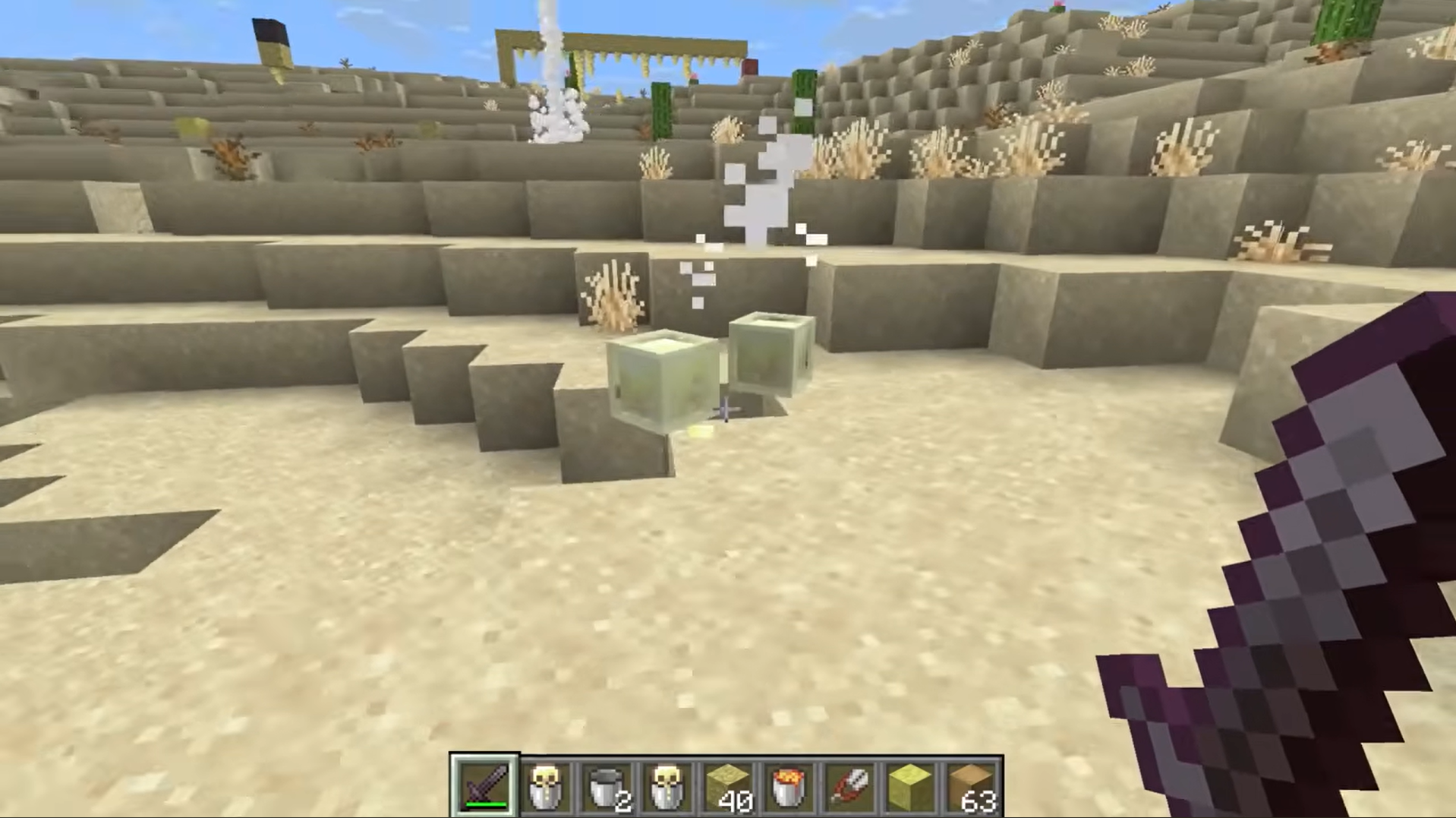
When a large Sulfur Cube dies, it does not simply disappear; when damaged with no absorbed block, it splits into two small Sulfur Cubes. This behavior is similar to how slimes split when killed. In Minecraft, they are found underground in sulfur caves, the native biome for this mob. These new blocks include colorful sulfur and cinnabar blocks, along with sulfur spikes that are harmless unlike pointed dripstone. The small cubes have the following characteristics:
-
Health: 4 HP (2 hearts) compared to the large cube's 8 HP.
-
Size: Approximately 0.5 blocks in size.
-
Capabilities: Cannot sulfur cube absorb a block; only large cubes can, and the absorbed block changes movement through different sulfur cube archetype effects tied to specific blocks and other physical properties.
-
Growth: Will naturally grow into large cubes after 20 minutes.
Because one large cube becomes two small cubes, splitting increases the number of enemies in the game and gives a general idea of the mob’s behavior, since these passive mobs stay calm until provoked and the split changes quantity rather than chemistry. In real-world terms, sulfur is a light yellow, brittle, crystalline, toxic and flammable solid, and when bulk sulfur is divided the pieces remain pure elemental sulfur because only a physical change has occurred.
Those smaller cubes can still become explosive later if they grow and take in TNT.
Players can also transport them with a bucket or a bucket of sulfur cube instead of relying on splitting.
Important Exception: If a large Sulfur Cube dies from its own explosion (such as when it has absorbed TNT and is ignited), it does not split. Instead, it is completely destroyed, and no small cubes are created. This is a critical distinction for players who want to maintain a population of Sulfur Cubes.
Section 2: Bedrock Edition Exceptions (Explosions)
The explosion exception is vital to understand for several reasons:
-
TNT Cubes: When a Sulfur Cube with absorbed TNT takes in ignited TNT, the block absorbed triggers a six-second fuse; if the sulfur cube explodes, it does not split, and no small sulfur cubes are left behind. Shears can remove most absorbed blocks, with the sole exception being ignited TNT, which is one of the few cases where the absorbed block cannot be safely extracted before detonation.
-
Chain Reactions: If one exploding cube triggers another TNT cube to explode, neither will split, resulting in the loss of multiple mobs.
-
Naming: If a named large Sulfur Cube splits, both resulting small cubes retain the name. However, if the cube explodes, the name is lost along with the mob.
This exception makes TNT-absorbing Sulfur Cubes a one-time-use item, while other types can be maintained through careful management of their death mechanics.
Conclusion: How Sulfur Cube Absorb and Splitting Impact Farming
The splitting mechanic has significant implications for farming Sulfur Cubes:
-
Population Control: Killing large cubes increases your total number of cubes (1 large becomes 2 small), but you must wait for them to grow, making splitting strictly a population increase mechanic in the game.
-
Resource Management: Small cubes cannot absorb blocks, so they are useless for engineering projects until they grow.
-
Growth Acceleration: You can speed up the growth process by feeding small cubes slimeballs.
-
Permanent Small Cubes: Feeding golden dandelions to small cubes prevents them from growing, allowing you to maintain a population of small, non-absorbing cubes for decoration or other purposes.
For efficient farming, consider capturing large cubes in buckets instead of killing them. Buckets are especially useful when transporting sulfur cubes out of sulfur caves for farming setups. Bucketed cubes do not count toward mob caps and will not despawn, allowing you to maintain a steady supply without relying on the splitting and growth cycle.