How To Get Forged Iron In 7 Days To Die
Learn how to get Forged Iron in 7 Days to Die fast. Craft it at a forge, gather the right materials, and unlock early tools, weapons, and upgrades.

Forged Iron is a versatile crafting component used to make and upgrade a wide range of items. From basic tools and weapons to advanced machinery and upgrades, Forged Iron is crucial for progression. You'll need it to craft everything from iron doors and repair kits to wrenches and guns. Forged Iron is like gold in the real world, highly valuable and not so easy to come by, which is why learning how to make forged iron 7 days to die is essential for all mid-game survivors!
Method 1: Scavenge For Forged Iron
It's highly unlikely you'll find a worthwhile number of ingots in loot containers if you see any at all, which is why you must learn how to produce forged iron. That being said, this material will occasionally spawn inside Working Stiff crates and chests inside foundry buildings. These containers typically only contain one or two ingots, which doesn't answer how much forged iron you really need, but it's something.
Look In Loot Containers
Finding Forged Iron in loot containers is extremely rare but not unheard of. But, if you’re looking to get more than a couple of bars for several hours’ worth of work, you’ll want to learn how to salvage or, preferably, forge your own.
Salvage Items In The World
A bit more efficient than scavenging, you can acquire small quantities of this material by salvaging certain machines with a Wrench, Ratchet, or Impact Driver. Specifically, you are looking for cars, trash compactors, destroyed workbenches, and vending machines. Just ensure the vending machine isn’t running, or you might get zapped.
Method 2: Forge Your Own Iron
By far the most efficient method for acquiring Forged Iron, forging is required if you want to use this metal in any real capacity. Of course, you’ll need to craft yourself a Forge first, but once you’ve done this, you can make your own ingots by combining Iron and Clay.
Build A Forge
Building the Forge is one of the most important milestones in the early game of 7 Days to Die, as it unlocks advanced metals and technological progression, specifically giving you the ability to craft forged iron.
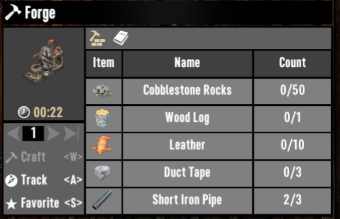
The Forge is an essential crafting station that requires a mix of Tier 1 and Tier 2 materials.
You need to have learned the Forge schematic. This can be done in one of three ways:
Unlock The Recipe
-
Skill Book: Find the skill book "Forge Ahead" while looting.
-
Engineering Perk: Invest skill points into the Intelligence attribute branch, specifically in Advanced Engineering or a similar perk, depending on your game version.
Gather the Materials
-
The Forge requires a mix of basic and crafted raw materials, and you should check the exact crafting cost before beginning construction:
| Material | Quantity | Where to Find / Obtain | |---------------------|----------|--------------------------------------------------------------------| | Stone | 50 | Harvested from small rocks on the ground or by mining. | | Clay | 50 | Harvested with a shovel from the ground (darker layers). | | Wood | 10 | Obtained by chopping down trees. | | Leather | 10 | Obtained by skinning animals. | | Short Iron Pipe | 3 | Found while looting or by dismantling heaters/sinks with a Wrench. |
Craft The Forge
-
Open your Crafting menu (default key I).
-
Search for the Forge recipe.
-
Click "Craft" and wait for the process to complete.
Place and Ignite It
-
Place the Forge in a secure location within your base.
-
Open it and insert Wood or Coal (more efficient) into the fuel slot.
-
Click "Ignite" or wait for it to light automatically when you start smelting.
Optional: Upgrade Your Forge With Bellows And An Anvil
You won’t need Crucible to make Forged Iron, but two more slots are available to improve your forge. Adding a set of Bellows will keep your forge hot and speed up the smelting process. Equipping your forge with an Anvil will give you a better working surface and increase the speed at which the forge produces new items.
Smelt A Lot Of Clay
Nearly everything you make at the forge will require clay to make the mold. Fortunately, most of the dirt in Navezgane is Clay Soil. Scoop up lots of this dirt early on to stock up on the clay your forge will need to make materials.
Smelt Forged Iron
The process of smelting and forging Forged Iron is the heart of metallurgy.
The exact term in the game is "Crafting" the Forged Iron, but the process requires preceding "Smelting" steps to prepare the materials.
You must have a Forge crafted and placed in your base. The Forge is the only station that can process metals at the high temperatures required.
Once you have enough smelted resources, you can craft the Forged Iron:
-
Recipes
-
12 units of Smelted Iron (or Iron Ingots)
-
6 units of Smelted Clay
-
Note: The ratio is generally 2 Iron units for 1 Clay, but check the current recipe in your game version.
-
-
Execution: Go to the Recipes tab of the Forge, select Forged Iron, and click "Craft." The Forge will automatically draw the smelted materials from its internal inventory and begin the slow forging process.
Using Forged Iron In 7 Days To Die
The Forged Iron is the resource that marks the transition from basic survival to dominance in this and many other survival games. Once you have stable production—a huge leap from relying on small stones, a single log, or the tedious chore of breaking down furniture—your possibilities open up immensely.
Key Uses of Forged Iron
Forged Iron is extremely versatile, serving as a necessary component for tools, defense, weapons, and, most importantly, the next level of metal.
This is arguably its most critical long-term use. Forged Iron is the primary ingredient (along with Clay) used to craft Forged Steel, the most durable material in the game.
- Progression: Scrap Iron -> Iron Ingots -> Forged Iron -> Forged Steel.
Forged Iron allows you to craft powerful, durable tools essential for faster mining and more efficient object dismantling.
-
Iron Pickaxe: Faster mining than the Stone Pickaxe.
-
Iron Axe: Much faster tree felling.
-
Wrench: Crucial for dismantling cars, appliances, and large metal objects to yield valuable resources (like Lead, Forged Steel, and Mechanical Parts).
-
Auger and Chainsaw: It is a critical component in crafting these end-game harvesting tools.
For Tools
Iron tools are much more durable than primitive stone ones. Once you can access a Workbench and a forge, you should immediately craft some iron tools. This equipment deals more damage to objects, harvests more materials, and lasts significantly longer than improvised tools, allowing you to quickly collect materials for different items. Ensure you’ve read the Iron Tools Schematic or have the proper perks.
For Weapons
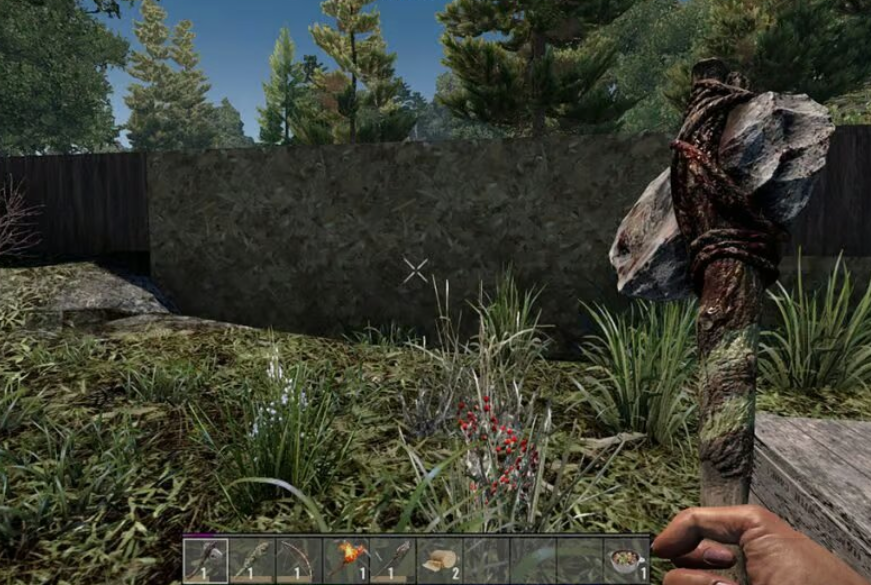
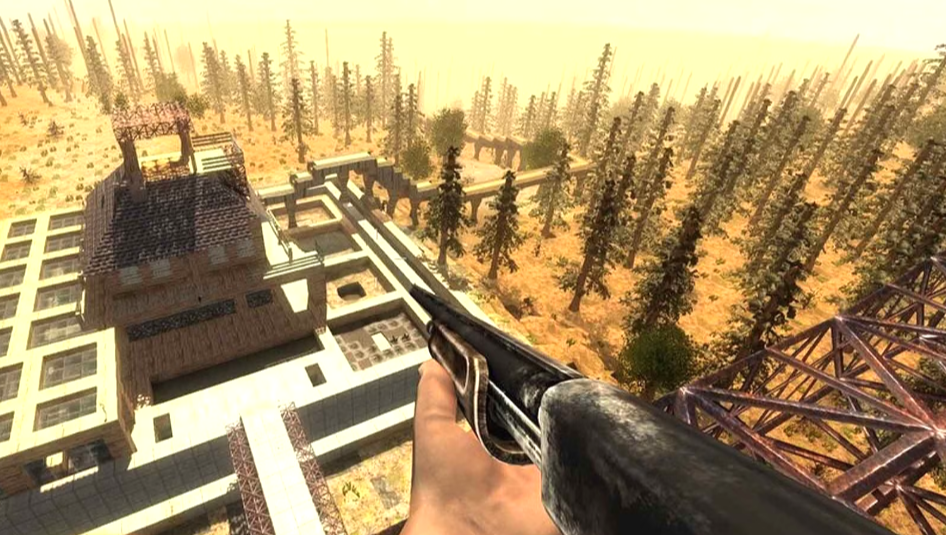
Iron weapons are a huge step up from swinging around a Wooden Club or relying on a crummy pipe gun. Mid-tier guns, crossbows, and iron melee weapons are all within your grasp once you’ve mastered their respective recipes and have enough metal, allowing you to both form and cast better armaments for combat.
For Armor
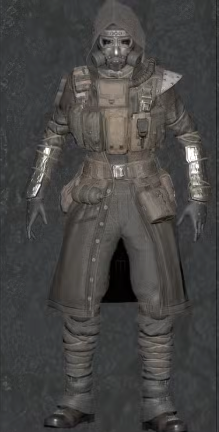
If heavy armor is your preference, then Forged Iron opens the opportunity for much sturdier protection. Scrap Armor is fine, but why settle for scraps when you can melt down the metal to forge your own Iron Armor and walk around looking like a post-apocalyptic knight? You’ll first need the armor’s schematic or a sufficiently heavy armor perk level to avoid getting a speed penalty or a severe burn.
For Base Building
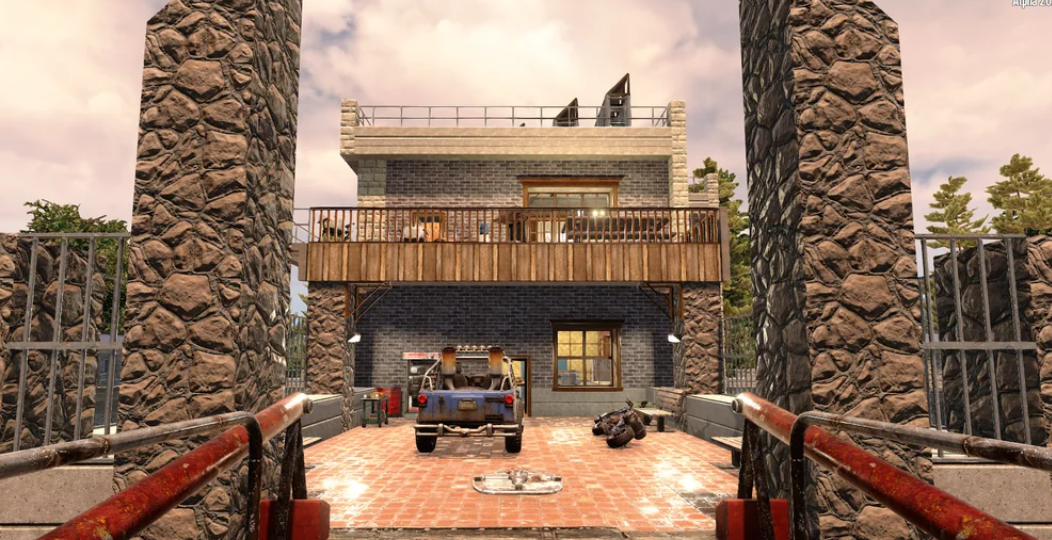
Tired of zombies ripping open those doors and windows you so carefully boarded up? Scrap plating won’t cut it at later levels, and it’s always better to have a sturdier barrier between you and the undead. Iron doors and window shutters can be crafted by the player at a Workbench. These doors can then be placed or used to upgrade existing wooden structures. Forged Iron can also be used to repair certain structures, like chain-link fences, which require other stuff like springs and nails; for example, this high durability is why many players consider Forged Iron to be superior to basic wood.
For Traps
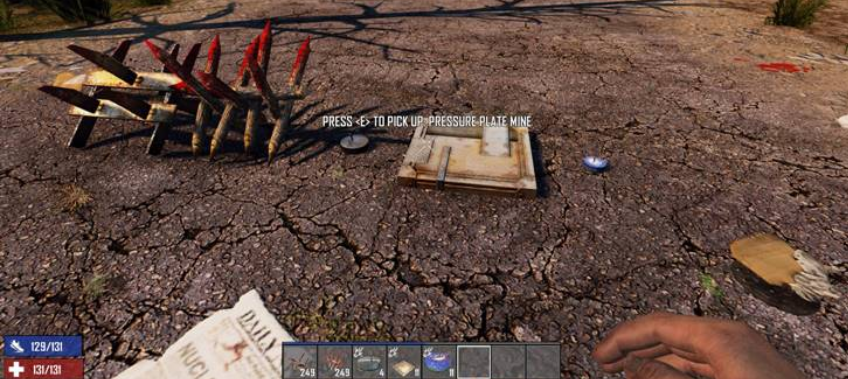
If you are sick of constantly replacing your Spike Traps or want them to put down a few more zombies before they snap, try upgrading with Forged Iron or replacing them with Iron Spikes. Other simple traps may also require Forged Iron to be used in their creation and repair.
For Vehicles
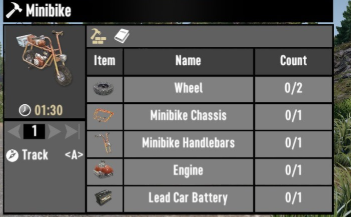
Low-tier vehicles like Bicycles and Minibikes use Forged Iron as their base metal. That means you’ll need a lot of this material if you want to construct your own vehicles—and trust us, you want a vehicle, especially when roads are often blocked. Once crafted, a vehicle is far more reliable for long-distance travel than walking. Once again, you’ll need the correct schematic (check this page for details) or the proper level of the Grease Monkey perk to craft these components, although you'll always need duct tape for basic repairs.
Conclusion
In conclusion, Forged Iron is your essential gateway to mid-game power. While obtaining it requires an initial investment in mining and building the Forge, mastering the process—by efficiently converting Scrap Iron into Ingots and then combining those with Clay—is non-negotiable for survival. Prioritize upgrading your Forge with the Anvil and Advanced Bellows to boost production, ensuring you have the strong tools and defenses needed to dominate Navezgane.