How to Plant Seeds in Valheim
Learn how to successfully plant seeds in Valheim with our essential guide. Boost your farming skills and cultivate your land effectively.

Shahrukh Sial is a Gaming Content Strategist at Sparked Host. He identifies his own strategic outlines through deep research to cover game guides, tips, and updates that help players improve their skills and enjoy a better gaming experience.
Step-by-Step Summary: How to Plant Seeds in Valheim
Quick Answer:
You need a Cultivator to plant seeds.
Successful farming in Valheim requires cultivated ground, adequate spacing, and biome suitability.
Each plant needs about 1 meter of space on all sides to grow in Valheim.
Crops require sunlight and cannot grow under roofs or buildings in Valheim.
Introduction
If you’re a Valheim player who has progressed to bronze tools and is seeking a sustainable food source, learning how to plant seeds in Valheim is essential for your survival and progression. This guide is designed specifically for players ready to move beyond foraging and hunting, and who want to establish a reliable, protected farm for long-term success.
In this article, you’ll find:
-
A step-by-step planting process
-
An overview of seed types and their uses
-
How to protect your crops from threats
-
Troubleshooting tips for common farming issues
Mastering seed planting in Valheim matters because it allows you to control your food supply, craft advanced meals for higher health and stamina, and ensure your base’s sustainability as you face tougher biomes and bosses.
Types of Seeds in Valheim
Before you start planting, it’s important to understand the general concept of seeds in Valheim. Seeds are items that allow you to grow crops or trees, or in some cases, summon bosses. Each seed type has specific requirements and yields.
Food Crop Seeds
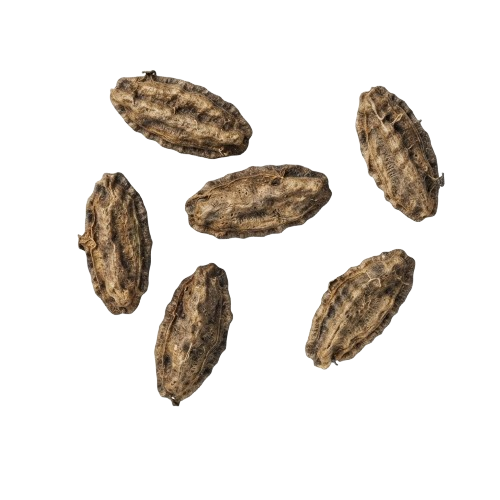
Food crop seeds are your primary agricultural assets. These include Carrot Seeds, Turnip Seeds, Onion Seeds, and Magecap spores.
-
The 1-to-1 yield rule: Every individual seed you plant will grow into exactly one harvestable crop unit.
-
The seed-cycling mechanic: To get more seeds, you must take your grown vegetable (like a carrot) and plant it back into the ground using the Cultivator. This creates a "Seed Carrot" plant, which eventually yields three new seeds, allowing you to multiply your crop sizes exponentially.
Tree Seeds
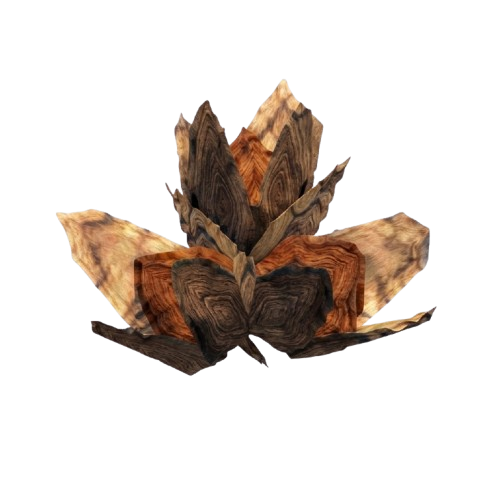
Tree seeds allow you to terraform your base or build a local lumberyard. Available tree seeds include Beech Seeds, Birch Seeds, Acorns (Oak), Fir Cones, and Pinecones.
- Unlike food crops, trees do not have a seed-cycling phase; they simply drop a variable number of replacement cones or seeds randomly when chopped down.
Ancient Seeds
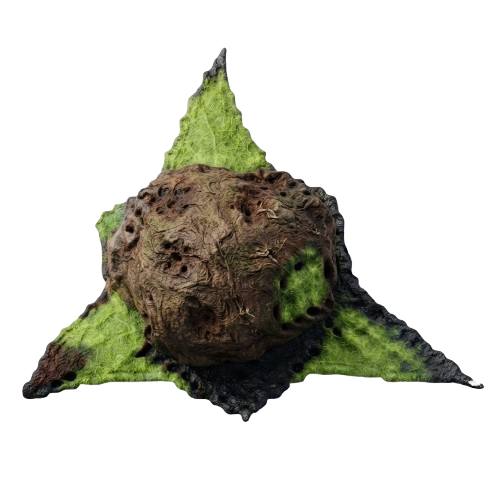
Ancient Seeds are glowing purple artifacts dropped exclusively by Greydwarf Shamans, Greydwarf Brutes, and by destroying Greydwarf Spawners.
- Ancient Seeds cannot be planted, grown, or farmed. Their sole purpose is to be sacrificed at the Mystical Altar to summon the second boss, The Elder.
Now that you know the types of seeds, let's look at where to find them in Valheim.
Finding Seeds in the Black Forest and Other Biomes
Seeds do not drop from enemies; you must search the forest floors and look for specific botanical indicators to gather your initial starting wild stock.
-
Carrot Seeds (Black Forest): Look for small, fragile plants with a cluster of distinct white/light blue flowers growing in the shaded areas of the Black Forest.
-
Turnip Seeds (Swamp): These are incredibly easy to miss. Look along the muddy, dark waters of the Swamps for low-profile plants sporting small, bright yellow flowers.
-
Onion Seeds (Mountains): Found exclusively inside loot chests located within abandoned stone cabins or ruined Drake nests in the Mountain biome.
-
Tree Seeds: When logging, target the largest, oldest variants of trees. Felling a massive, thick-trunked mature Oak or Birch tree offers a drastically higher percentage chance of dropping Acorns and Birch seeds compared to small saplings.
Once you’ve gathered your seeds, you’ll need the right tools to start planting.
Craft the Cultivator
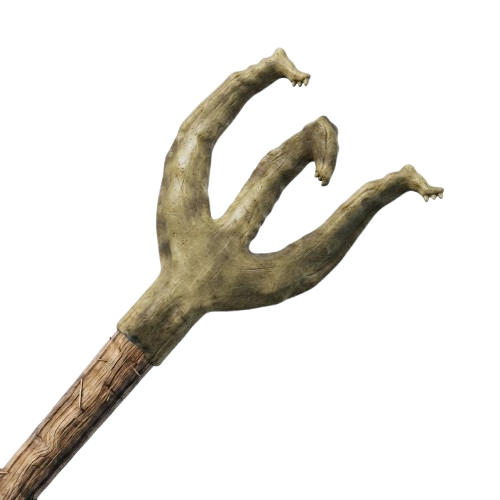
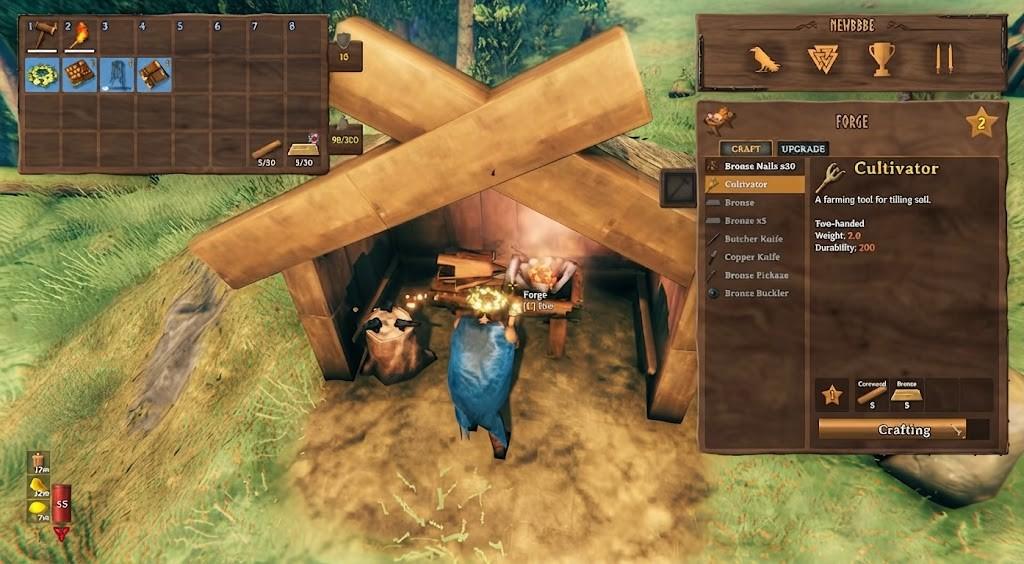
To plant seeds in Valheim, you need a Cultivator. The Cultivator is a special tool that allows you to prepare the ground for planting. It can only be crafted after reaching the Bronze Age.
-
Required materials: 5 Bronze and 5 Core Wood.
-
Station requirement: The blueprint only unlocks and can only be crafted at a functional, sheltered Forge.
-
Gathering Bronze: Mine large copper deposits in the Black Forest and tin nodes along shorelines. Smelt them, then combine at your Forge (2 Copper + 1 Tin = 1 Bronze).
-
Gathering Core Wood: Use a Bronze Axe to chop down tall Pine Trees in the Black Forest for Core Wood logs.
Definition:
- Cultivator: A crafted tool required to till soil and plant seeds in Valheim.
With your Cultivator ready, you can begin preparing your farm.
Prepare Ground and Planting Seeds
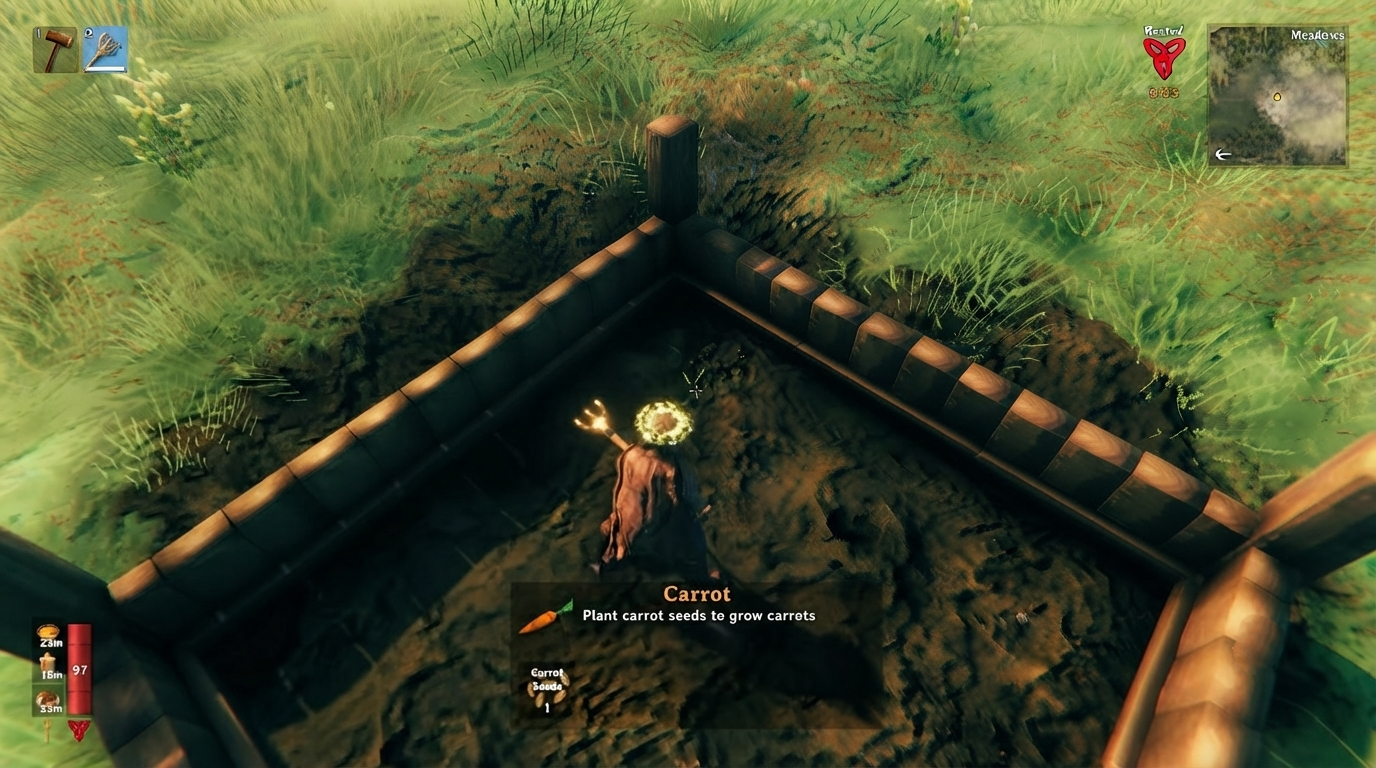
Why spacing, sunlight, and protection matter:
-
Spacing: Crops will wither if planted too close to each other in Valheim. Each plant needs about 1 meter of space on all sides to grow.
-
Sunlight: Crops require sunlight and cannot grow under roofs or buildings in Valheim. They need an unobstructed view of the sky.
-
Protection: Building fences can protect crops from wildlife in Valheim.
Key Definitions:
-
Cultivated ground: Soil that has been tilled using the Cultivator, making it suitable for planting seeds.
-
Spacing: The distance (about 1 meter) required between each plant to ensure healthy growth.
-
Biome suitability: Some crops must be planted in specific biomes (e.g., barley and flax in the Plains biome).
Follow these steps to plant seeds in Valheim:
Step 1: Equip the Cultivator
- Put the Cultivator into your hotbar (keys 1-8) and equip it.
Step 2: Open the Actions Menu
- Right-click with the Cultivator held to bring up the agricultural radial menu.
Step 3: Till the Grass
- Select the "Cultivate" option. Walk over to your wild grass terrain and left-click. The ground will instantly transform into dark, nutrient-rich farmable soil (cultivated ground).
Step 4: Load Your Seeds
- Open the radial menu again by right-clicking and select the specific seed variant currently in your inventory.
Step 5: Sow the Seed
- Look down at your dark, tilled dirt and left-click to place a sapling or crop seed.
Step 6: Enforce Spacing Boundaries
- Leave roughly 1 meter of space (about the width of a small wooden floor tile or one character body width) around every single plant. If seeds are placed too close together, they will suffocate, turn brown, and rot.
Seed Growth Times for Planting Seeds
Patience is key when running an agricultural hub, as crops operate on a set in-game clock cycle.
-
Growth duration window: Standard food crops take between 2 to 3 full in-game days to fully mature (about 40 to 60 minutes of real-world play).
-
Time acceleration trick: Keep a bed nearby. Sleeping at night skips the evening hours and advances crop timers.
-
Environmental conditions:
-
Crops do not need to be watered.
-
Crops will mature during rain, fog, or night, as long as they have enough space and sunlight (unobstructed sky).
-
With your crops planted, you can also grow trees for wood and resources.
Planting Trees and Using Tree Seeds
Growing an active timber farm follows the same foundational rules as growing food, but with a massive increase to the required spatial buffer zones.
-
Tilled soil is mandatory: You cannot simply drop a Pinecone or Acorn onto regular grass. You must use the Cultivator to till a dark patch of earth first.
-
Aggressive spacing restrictions: Tree saplings require at least 4 to 5 meters of empty space (roughly two large 2x2 wooden floor pieces) between each tree. If a tree sapling detects another object or tree too close, its growth will permanently freeze.
-
Lumberyard layout strategies: Plant tree farms in long, straight rows. Chop the tree at the end of the row so it falls forward into the next tree, creating a domino effect for efficient harvesting.
Now that your crops and trees are growing, it’s crucial to protect them from threats.
Protecting Crops and Preventing Damage
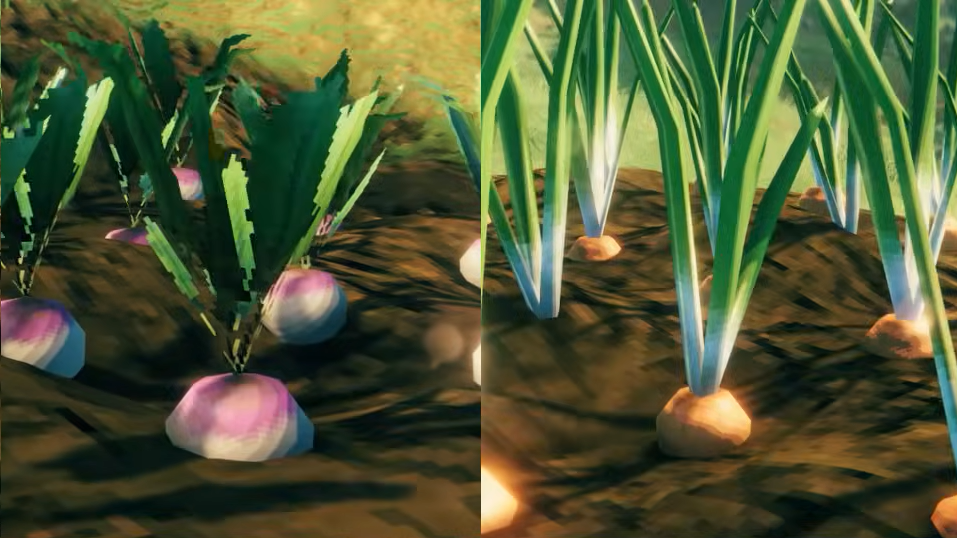
Why protection is necessary:
Building fences can protect crops from wildlife in Valheim. Creatures like boars, Necks, and Greydwarfs are actively programmed to target and destroy your crops if left unprotected.
Building Fences
-
Build heavy fences first: Never plant a single seed until a solid defensive wall completely encircles your garden.
-
Material options:
-
Basic Roundpole Fence (2 Wood per section) keeps out small pests.
-
Stakewall (4 Wood per piece) offers long-term security and can withstand heavy impacts.
-
Threats to Crops
-
Wild Boars, Necks, and Greydwarfs: These creatures will attack and destroy unprotected crops.
-
Base Raid Vulnerability: During random event raids (like "The Forest is Moving"), aggressive enemies may trample your crops while attacking your base.
Placement Strategies
- Garden placement: Place your farm deep inside the center of your compound, away from outer walls, to minimize accidental damage during raids.
With your crops protected, you may still encounter some common issues. Here’s how to troubleshoot them.
Troubleshooting Planting Seeds
Needs More Room to Grow
-
Problem: The plant reads "Needs more room to grow."
-
Solution: The seed is too close to another crop, a rock, a tree, or a base wall. Use your Cultivator to harvest the failing plant and replant it in a wider, open patch of tilled dirt.
No Seed Drops from Trees
-
Problem: No seed drops from trees.
-
Solution: Tree cone and seed drops rely on random number generation (RNG). It’s normal to chop down several trees and receive no cones. Keep logging; the drop averages will balance out over time.
Cultivator Stops Working
-
Problem: The Cultivator stops working.
-
Solution: The tool has a durability meter. If it stops working, repair it at your Forge by clicking the hammer icon.
Quick Checklist for Planting Seeds
-
Cultivator tool is fully repaired at a Forge
-
Harvested seed stacks are ready
-
Tool equipped, right-click to select the Cultivate option, and clear away the green grass
-
Complete perimeter wall built using Stakewalls or stone blocks before dropping seeds
-
Crops planted with a strict 1-meter safety buffer surrounding each plant
-
Bed used to skip nights and return to fields 3 days later with an empty inventory to harvest