Minecraft Sulfur Cube Archetypes Explained (Bouncy, Explosive, Hot, Sticky, etc.)
Discover the different archetypes of Sulfur Cubes in Minecraft. Learn how they function and enhance your gameplay. Dive into our comprehensive guide!

Shahrukh Sial is a Gaming Content Strategist at Sparked Host. He identifies his own strategic outlines through deep research to cover game guides, tips, and updates that help players improve their skills and enjoy a better gaming experience.
The true power of a Sulfur Cube lies in its ability to transform its physical properties based on the materials it consumes. Once a block is absorbed, the creature adopts a specific archetype that dictates how it moves, interacts with other entities, and responds to environmental hazards. Mastering these archetypes is the key to evolving from a simple observer of these mobs to a designer of sophisticated physics-based systems.
These archetypes range from bouncy components ideal for complex launchers to hazardous hot forms that can defend your base automatically. By selecting the correct block, you can essentially program the behavior of the cube to meet the needs of your engineering project. Understanding these distinct categories ensures you always have the right tool for any survival challenge or redstone contraption.
The following guide details the primary archetypes, explaining their unique traits and the materials required to activate them. Whether you are building an automated defense system or designing an intricate puzzle that relies on precise movement, this breakdown will help you leverage the hidden potential of every Sulfur Cube you encounter in the wild.
Section 1: Bouncy, Sticky, Regular
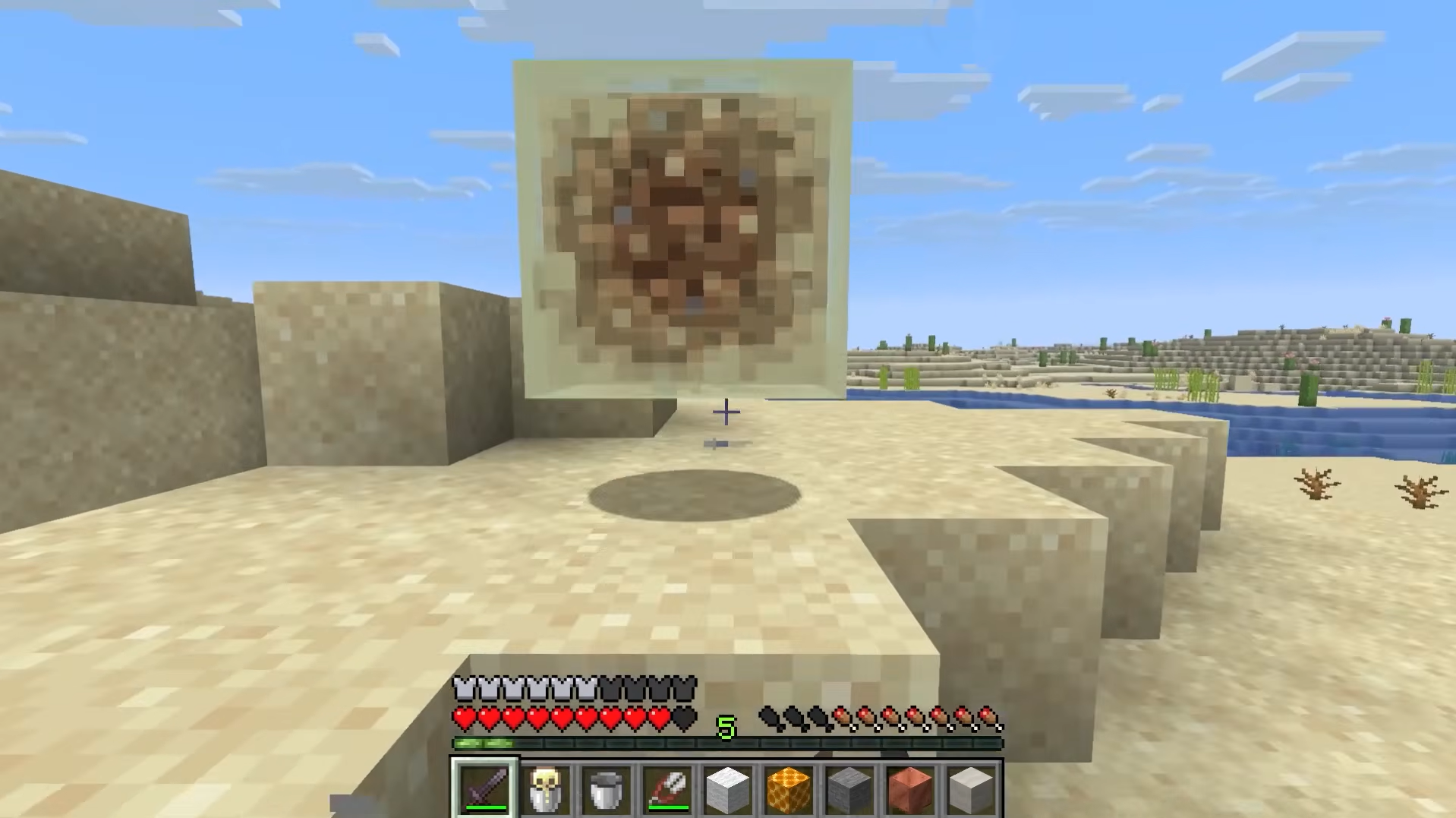
Bouncy Archetype:
-
Blocks: Planks, logs, bamboo blocks, wood products.
-
Properties: High elasticity, significant bounce when hit.
-
Uses: Launching mechanisms, entertainment structures, physics experiments.
-
Water Behavior: Floats in water.
Sticky Archetype:
-
Blocks: Honeycomb blocks.
-
Properties: No sliding or bouncing, sticks to surfaces.
-
Uses: Stationary platforms, anchoring mechanisms.
-
Water Behavior: Does not float.
Regular Archetype:
-
Blocks: Dirt, grass, clay, concrete powder, mud products.
-
Properties: Standard sliding and bouncing behavior; the most common behavior for Sulfur Cubes.
-
Uses: General purpose applications, basic physics demonstrations.
-
Water Behavior: Floats in water.
Other variants include the fast sliding archetype, triggered by packed ice or snow blocks, where cubes become fast sliding and skim like a hockey puck across surfaces.
There is also the slow flat archetype: a slow flat form tied to metal blocks that moves slowly, has low bounce, and gains more knockback resistance.
Section 2: Explosive, Hot, High Resistance
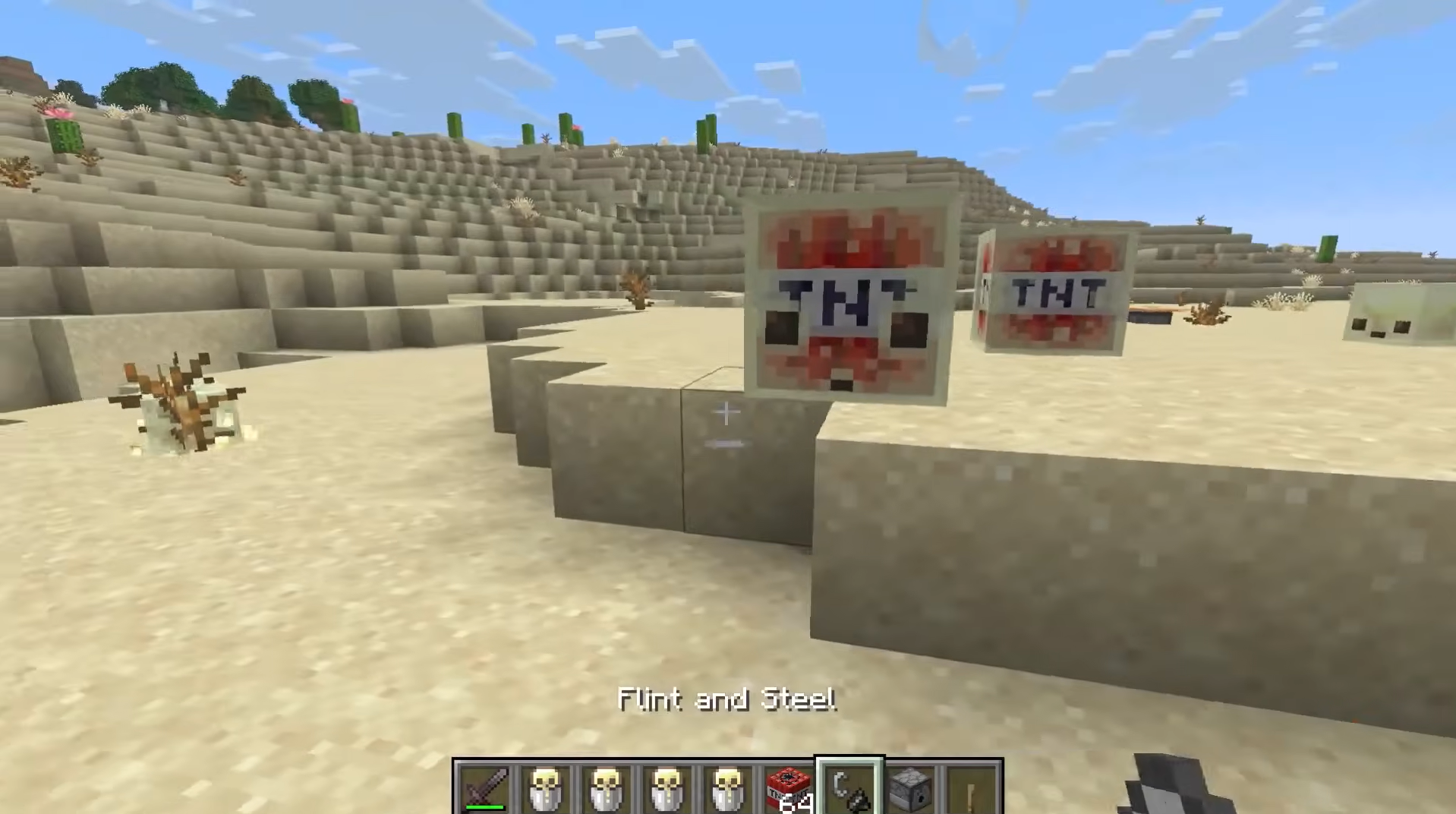
Explosive Archetype:
-
Blocks: TNT block.
-
Properties: Activates when the sulfur cube absorbs the TNT block through block absorption, creating an explosive form.
-
Uses: Programmable explosives, demolition, defense systems.
-
Water Behavior: Floats in water.
-
Special Notes: Feeding a sulfur cube a TNT block creates tnt sulfur cubes that act as a mobile explosive, with fuse time starting once ignited.
-
Special Notes: Cannot be bucketed or sheared when ignited.
Hot Archetype:
-
Blocks: Magma blocks.
-
Properties: The hot form appears when the sulfur cube absorbs magma blocks and damages nearby entities on contact.
-
Uses: Automated defense, hazard creation.
-
Water Behavior: Floats in water.
-
Special Notes: Continuous damage while entities are near.
High Resistance Archetype:
-
Blocks: Soul sand, soul soil.
-
Properties: Very hard to push, absorbs impact without moving, is virtually invincible and immune to most forms of damage, and when pinned or immobilized tends to take higher knockback rather than damage.
-
Uses: Weight systems, impact absorption.
-
Water Behavior: Does not float.
-
Note: Using shears resets a sulfur cube to its base state.
Conclusion: Archetype Gameplay Impact
Each archetype offers unique gameplay possibilities:
-
Engineering: Different archetypes enable various machine designs.
-
Defense: Hot and explosive archetypes provide automated protection.
-
Transportation: Bouncy and sliding archetypes enable movement systems, and a honey block placed as a block inside a sulfur cube can power functional monorail builds.
-
Puzzles: Archetype properties can be used to create complex challenges.
-
Creativity: The variety of archetypes encourages experimental gameplay, including physics-based minigames like soccer.
They spawn in the sulfur caves biome only at light level zero, typically in groups of two to four with a 32% chance.
A bucket captures a sulfur cube easily, they can despawn unless named with a Name Tag, and attacking a large sulfur cube makes it split and multiply.
Understanding archetypes allows players to choose the right block for their specific needs and maximize the potential of Sulfur Cubes in their projects.