Minecraft Meadow vs Plains: Where to Build Your Base
Discover the pros and cons of building in Minecraft's Meadow and Plains biomes, find the best option that suits your play style and start building today.

Shahrukh Sial is a Gaming Content Strategist at Sparked Host. He identifies his own strategic outlines through deep research to cover game guides, tips, and updates that help players improve their skills and enjoy a better gaming experience.
Plains biomes are the absolute best choice for technical players who want flat terrain for massive automated farms and fast village trading, while Meadow biomes are ideal for builders seeking breathtaking mountain scenery, infinite dye resources, and instant access to bees.
Intro
If you're deciding in Minecraft meadow vs plains where to build your base, choose Plains for flat terrain, large automated farms, and fast village trading, or choose Meadow for scenic mountain views, abundant flowers, and easy access to bees for a more decorative, natural base.
This guide compares the Plains biome and the Meadow biome for Minecraft players choosing a permanent base around their playstyle. Selecting the right biome shapes early survival, resource access, expansion space, and security, so your base works better from day one.
We’ll break down terrain, mobs, flowers, bees, biome-specific building strengths, defensive tips, and what makes each location the better long-term fit for technical automation or cozy architecture.
Quick Verdict for Early Game
-
Plains Biome: Best for flat, immediate starter builds. You can lay down chests, crafting tables, and sprawling wooden shelters on day one without clearing any terrain.
-
Meadow Biome: Best for scenic early-game farms. The dramatic elevated plateaus offer natural high-ground vantage points to overlook your crops and animal pens safely.
Plains Biome

The buildability of the Plains biome is arguably the highest in Minecraft due to its predictably level grass blocks and minimal tree obstruction. Villages spawn at incredibly high rates in Plains biomes, with access to trading as the main practical benefit, while also giving you iron hoes, beds, food crops, and a strong setup for your first night.
This vast, unobstructed landscape offers unmatched long-term expansion potential for massive automated iron farms, multi-chunk crop plots, and large horse stables. Still, all that open land can look visually monotonous unless you add landscaping or structural variety.
Plains: Terrain & Passive Mobs
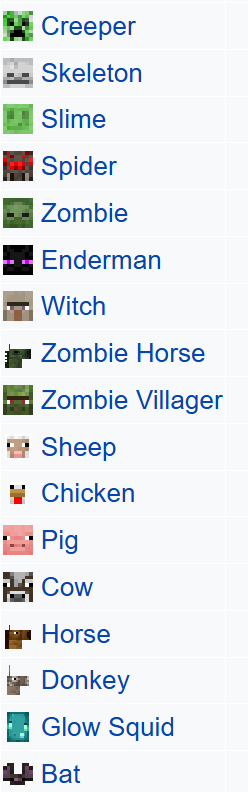
Plains biomes feature some of the highest passive mob counts in the game, frequently spawning massive herds of sheep, pigs, cows, and horses. This completely flat terrain allows you to clear out thousands of square blocks quickly to construct tile-able, large-scale redstone farms without hitting mountain walls.
When establishing your borders, always advise locating your primary storage hubs near rivers or oceans to ensure maximum water-bucket crop efficiency and easy boat transit.
Meadow Biome

The standout feature of the Meadow biome is its staggering flower density, painting the rolling alpine grass with vibrant turquois, pink, and yellow hues.
However, because Meadows generate on mountain plateaus and high-altitude slopes, you must carefully assess the drop risks and steep elevation cliffs that can lead to accidental fall-damage deaths.
We highly suggest using Meadows as a gorgeous backdrop for aesthetic cottagecore bases, fairy-tale castles, or rustic windmills.
Meadow: Flowers, Bees, And Benefits
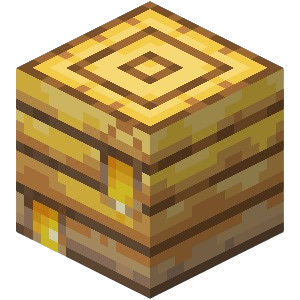
Meadows natively generate with Oak and Birch trees that carry a 100% chance of spawning with a Bee Nest, making it the absolute prime location for automated honey and honeycomb farms. The sheer variety of unique flowers means you have a limitless supply of dye resources right at your doorstep.
You can harvest these instantly to dye beds, concrete, shulker boxes, and glass without ever leaving your base perimeter.
Forest Biome Variants

While Plains and Meadows are excellent, certain survival scenarios warrant picking a nearby Forest biome variant as your main headquarters instead. Forests offer immediate, high-volume wood availability, which saves you from long-distance resource gathering trips during the early stages of a world.
Their unique features can matter just as much as openness when comparing other biomes for a base.
-
Taiga: A peaceful taiga is a solid alternative if you want abundant wood, since its dense forests provide plenty of spruce trees for building and often include wolves.
-
Savanna: A savanna also works well thanks to flatter ground, acacia trees, and horses for travel, though nearby pillager outposts can add pressure.
-
Desert: A desert is a harsher choice because it lacks trees, wood, water, and reliable food sources.
-
Mushroom Fields: Mushroom Fields are the safest option because hostile mobs do not spawn there, and Mooshrooms give you mushroom stew as an effectively infinite food source.
Birch Forest

We highly recommend Birch Forests if your aesthetic preferences favor light-toned modern builds or clean, Scandinavian-style cabins. Because Birch trees grow predictably straight and do not feature massive, branchy canopies, clearing out building spots for mid-sized starter bases is incredibly fast.
Dark Forest

Dark Forests are notoriously dangerous due to their thick, interlocking overhead leaf structures that block out sunlight. This low light level creates a hazard where hostile monsters can spawn freely during the daytime right under the trees.
If you choose to settle here, we strongly suggest executing a massive canopy clearing operation with axes or flint-and-steel before laying down your foundation.
Flower Forest

Flower Forests offer a unique middle ground, generating a chaotic and beautiful mix of almost every flower type in the game. They also usually have fewer trees than denser forest variants, which can slightly reduce hostile mob spawns and make base lighting easier.
We recommend this biome variant for highly decorative builders who require rare plants like Alliums, Lily of the Valleys, and Peonies for detailed garden landscaping.
Placement Criteria: Where To Site Your Base
-
Water Proximity: Always site your main storage base close to a water source for fast crop hydration and efficient item-stream transport lines.
-
Wood Resources: Choose a spot within 100 blocks of a dense forest so you never run out of building planks and charcoal sticks.
-
Natural Defenses: Prefer a gentle elevation slope or a natural cliff edge to bottleneck hostile mob pathfinding routes away from your front doors.
Side-by-Side Biome Breakdown
To help you decide fast, here is how each main base biome compares in terms of land, safety, and resources:
| Feature / Metric | Plains Biome | Meadow Biome | Forest Variants |
|---|---|---|---|
| Land Type | Flat and level plains | High, rolling hills | Lots of trees, uneven ground |
| Structures | Lots of villages | Outposts and mountain cliffs | Woodland Mansions (Dark Forest) |
| Main Resource | Animals and food crops | Flowers and bees/honey | Wood blocks and charcoal |
| Early Safety | Low (Wide open to mobs) | Medium (High cliffs protect you) | Dangerous (Mobs spawn under trees) |
| Flattening Effort | Very Easy (Ready to build) | Medium (Needs some digging) | Hard (Must chop many trees first) |
| Best Playstyle | Technical / Redstone Farms | Creative / Pretty Houses | Survivalist / Basic Starter |
Defensive And Practical Considerations
When building in wide-open biomes like Plains or Meadows, your biggest threat is the complete lack of natural barriers against nighttime mobs. Always construct a 2-block-high perimeter wall or a deep trench around your residential zones to stop Creepers and Zombies from wandering into your workspace.
In forested biomes, place torches or lanterns every 5 to 7 blocks to aggressively spawn-proof the dark tree canopies. Lastly, design roofed glass structures over your crop fields to protect your farmers and livestock from dangerous Phantom strikes and lightning fires.
Recommended Builds by Biome (Actionable Ideas)
-
Plains Biome: Build a massive, multi-tiered industrial wheat matrix alongside a fully automated cow breeding center for unlimited food and leather.
-
Meadow Biome: Design a terraced floral garden layout complete with a glass-enclosed bee apiary for seamless honey bottle manufacturing.
-
Birch Forest: Create a sprawling, multi-room wood cabin complex using stripped birch logs, diorite paths, and clean quartz accents.
-
Dark Forest: Build a hidden, defensive woodland fortress constructed directly inside or atop the dark oak leaf canopy, using ladders for vertical entry.
Conclusion: Choose The Best Biome for You
The choice between a Plains and a Meadow biome ultimately boils down to industrial efficiency versus natural beauty. The Plains biome trades away spectacular scenery in exchange for flat, hassle-free construction spaces and immediate villager networks.
The Meadow biome demands more terraforming effort on its rolling slopes but rewards you with breathtaking mountain views, infinite dye farms, and instant bee mechanics.