How To Make A Recovery Compass In Minecraft
Learn how to craft and use a Recovery Compass in Minecraft. Follow this simple guide to locate your last death point and never lose your items again.

Shahrukh Sial is a Gaming Content Strategist at Sparked Host. He identifies his own strategic outlines through deep research to cover game guides, tips, and updates that help players improve their skills and enjoy a better gaming experience.
What Is a Recovery Compass?
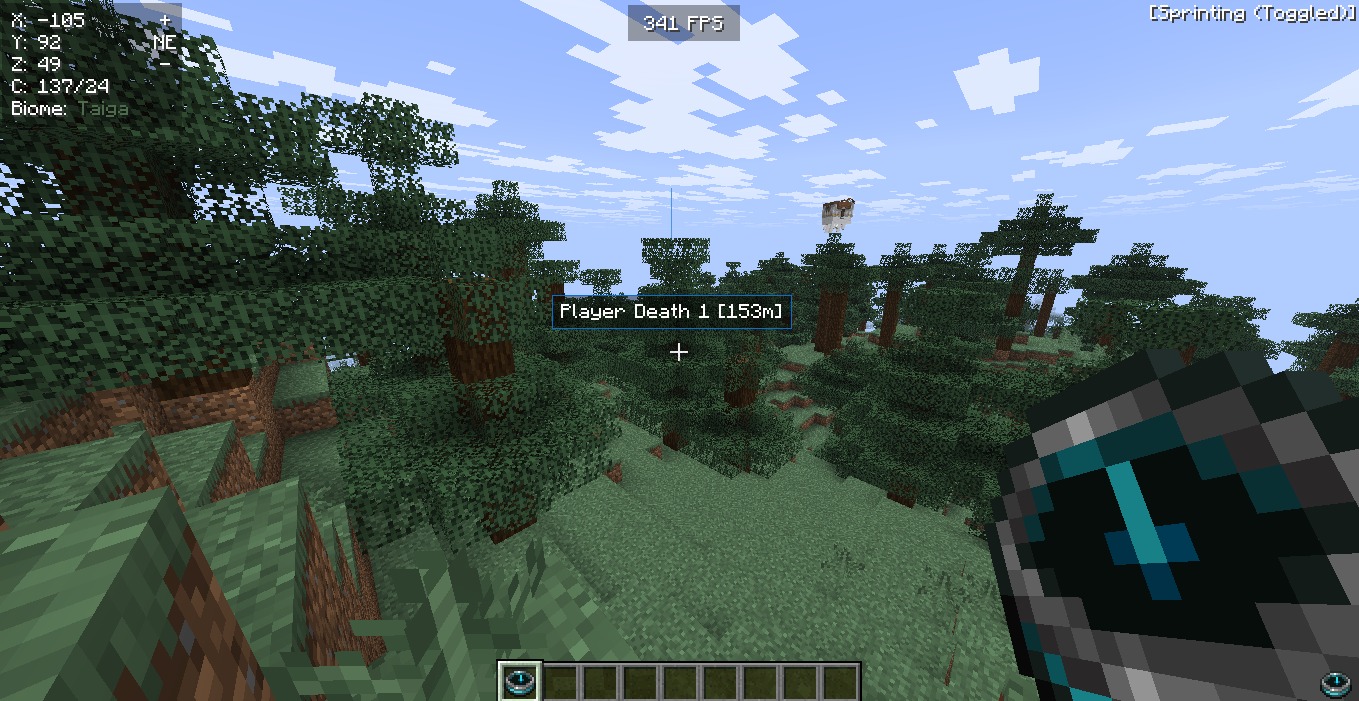
A recovery compass is a special tool that helps track your last death by pointing to the death location. It functions like a normal compass, but instead of pointing to the world spawn, it points to where you previously died, letting you recover your dropped stuff.
The Minecraft Recovery Compass is a game-changing tool introduced in the Wild Update, designed to help players retrieve their lost items after dying. Whether you're playing in Survival mode, Hardcore mode, or Creative mode, knowing how to use recovery compasses can save time and frustration.
How The Minecraft Recovery Compass Works
-
The compass needle points to the location where you last died, provided you're in the same dimension.
-
If you're in a different dimension (e.g., using it in the Nether after dying in the Overworld), the needle will spin randomly.
-
If you've never died or are using it in the wrong dimension, the recovery compass becomes useless.
How to Craft a Recovery Compass
Once crafted, the recovery compass becomes an essential survival tool—especially helpful in Hardcore Mode, where item recovery can mean the difference between life and a hard reset. Before you begin, make sure you have the Wild Update enabled, as the recipe won't work otherwise.
To craft a recovery compass, you’ll need the following materials:
-
1 Regular Compass (crafted with four iron ingots and 1 redstone dust)
-
8 Echo Shards (found in treasure chests in Ancient Cities located in the Deep Dark biome)
To craft a Recovery compass in Minecraft:
-
Open your crafting table.
-
Place the regular compass in the center slot.
-
Surround the regular compass with eight echo shards.
-
You now have a recovery compass!
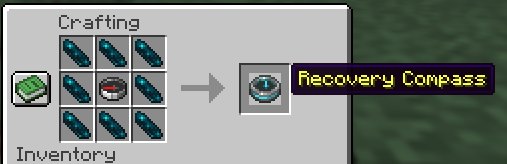
The crafting recipe only works if you have all the items and the Wild Update enabled.
Where to Find Echo Shards
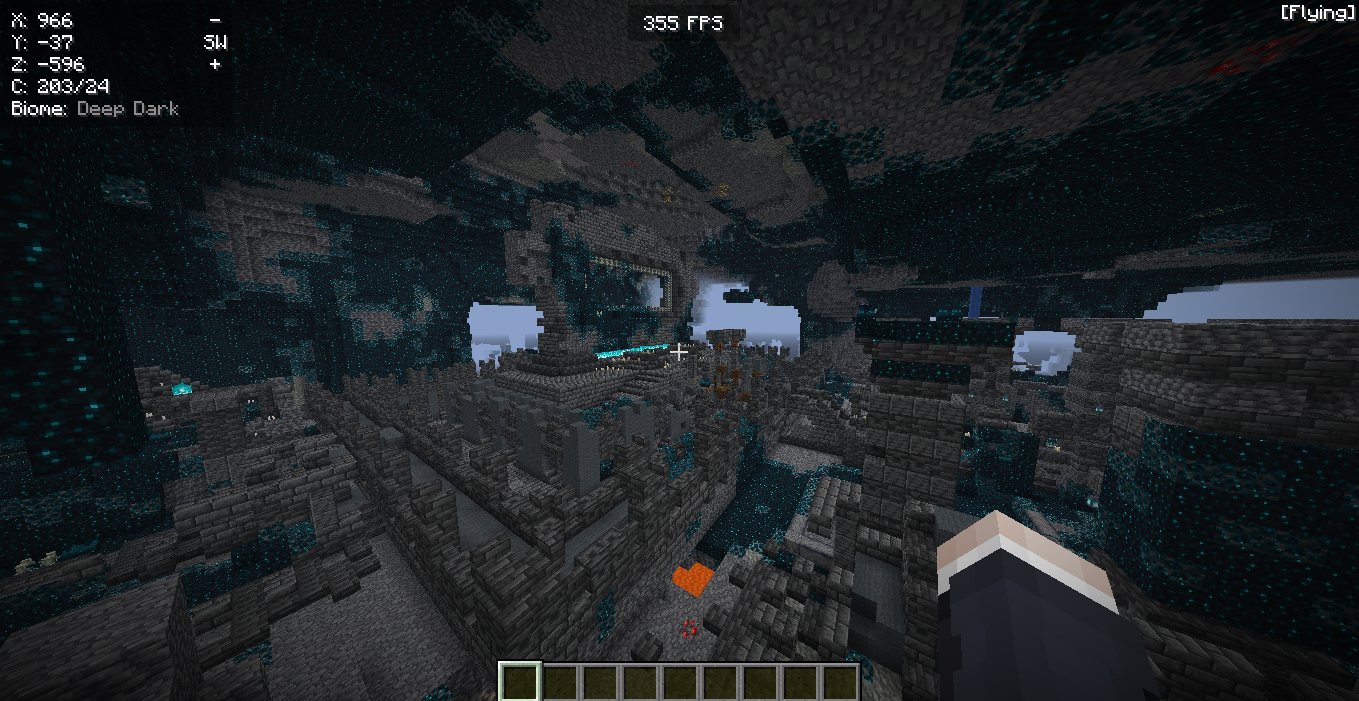
Echo shards are a rare and essential material needed to craft a recovery compass. These items can only be found in Ancient Cities, deep within the Deep Dark biome—a mysterious and dangerous underground area introduced in the Wild Update. Exploring these cities requires preparation, as the biome is home to the terrifying Warden, one of the game's most powerful mobs. Bring tools, stealth, and light sources, and avoid triggering vibrations that could summon the Warden.
While searching the Deep Dark, you’ll need to open treasure chests scattered throughout Ancient Cities. These chests often contain multiple valuable items, but your main focus should be finding echo shards.
Where to Look:
-
Search Ancient Cities in the Deep Dark for treasure chests containing echo shards.
-
Exploring the Deep Dark biome can be an adventure, but it’s also dangerous—watch out for the Warden.
-
You may easily find other items in these chests too, but echo shards are your primary goal.
How to Use a Recovery Compass
Once you've crafted your recovery compass, it becomes a powerful tool to help you find your way back to where you last died. Unlike a normal compass that points to your spawn point or world spawn, a recovery compass guides you directly to your death location—but only if you're in the same dimension where the death occurred. This makes it incredibly useful in Survival Mode or Hardcore Mode, where retrieving your lost items quickly can make the difference between recovery and permanent loss.
Make sure to act fast, as your dropped inventory may despawn if you take too long. Here's how to use it properly:
Steps to Use:
-
Retrieve the compass from your inventory or crafting table.
-
Equip it in your hotbar and observe the compass needle.
-
If you're in the same dimension where you died, it will point directly to your death location.
-
Track your way back to your dropped inventory and recover all the items before they vanish.
Important Notes:
The recovery compass is incredibly useful, but it comes with certain limitations that every player should understand. Its function depends entirely on your location, dimension, and death history. Misusing or misplacing your recovery compasses can render them useless, especially if you're in a different dimension or forget to store them in a safe location.
Keep the following in mind when using your recovery compass:
-
If you die again before retrieving your items, the recovery compass points to the new location.
-
The recovery compass works only within the dimension where the death occurred.
-
Best practice: store your recovery compasses at your spawn point or base so you can grab one after dying.
Pros and Cons of the Recovery Compass
The Minecraft recovery compass is one of the most valuable tools for players who often take risks, explore far from their spawn point, or play in hardcore mode. It provides a reliable way to locate your death location and reclaim your lost items, especially in survival-heavy scenarios.
Pros:
-
Great tool for retrieving lost inventory.
-
Extremely useful for players in hardcore mode or dangerous biomes.
-
Helps maintain progress by preventing item loss after dying.
Cons:
-
Useless in a different dimension (like the Nether or The End).
-
Requires hard-to-find materials such as echo shards.
Creative Mode Usage
In Creative mode, players can grab a recovery compass directly from the item menu to test how the recovery compass works or simulate survival scenarios.
Conclusion
The Minecraft recovery compass is one of the most helpful tools added in the Wild Update. When used correctly, it allows you to track your last death, recover your dropped stuff, and avoid saying goodbye to your progress. Remember to keep one at your world spawn or base, and always check which dimension you’re in before trusting the needle's point.