How to Breed Tropical Fish in Minecraft – Complete 2026 Guide
Full Minecraft guide covering tropical fish spawning, buckets, biomes, and axolotl breeding. Learn how to collect rare variants and build underwater farms.

Shahrukh Sial is a Gaming Content Strategist at Sparked Host. He identifies his own strategic outlines through deep research to cover game guides, tips, and updates that help players improve their skills and enjoy a better gaming experience.
Tropical fish are among the most visually stunning fish mobs in the Minecraft world. With their vibrant colors and unique shapes, they are the perfect addition to any aquarium or underwater base. Many players wish to expand their collection of these beautiful creatures to create a bustling aquatic ecosystem that rivals the Great Barrier Reef.
This 2026 guide provides an exhaustive, deep-dive look at everything a beginner needs to understand regarding how to manage, collect, and effectively "multiply" their population of tropical fish in Minecraft. While some mechanics might seem complex at first, this article will break down the technical specifics of how these fish in Minecraft behave and how to keep them thriving in a permanent habitat.
Can You Breed Tropical Fish in Minecraft?
The question of whether one can breed tropical fish is one of the most common queries in the community. As players seek to create sustainable ecosystems, understanding the biological limitations of these digital creatures is essential.
Why Tropical Fish Don’t Have a Love Mode
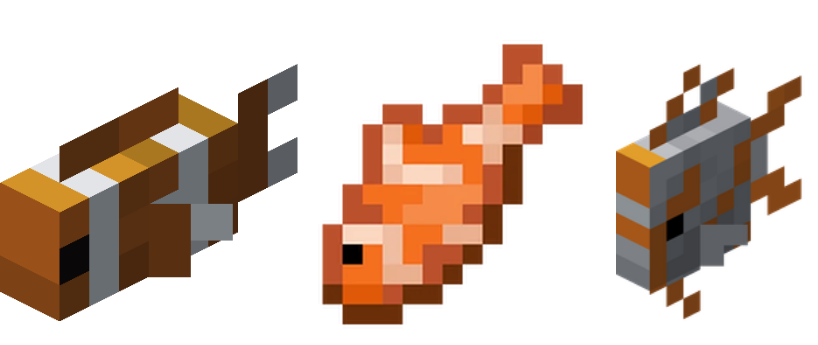
In the vanilla version of the game, tropical fish do not possess a traditional breeding mechanic. Most land-based fish and tree animals, such as cows, sheep, and even frogs, enter love mode when fed a specific item. This state is visually represented by heart particles and results in the immediate appearance of a baby version of that animal. However, the developers at Mojang did not include a baby fish model for the tropical varieties.
Because there is no "child" state for these fish mobs, the game engine has no way to trigger a reproduction event. The tropical fish simply exists in its adult form from the moment it enters the world. While some players find this disappointing, it is a design choice that keeps the focus on exploration and discovery rather than domestic ranching.
The Difference Between Breeding and Spawning Mechanics
To effectively "breed" a population of fish in your base, you must pivot from thinking about biological breeding to understanding tropical fish spawn logic. Breeding is an intentional, player-driven action that requires specific resources like wheat or seeds. Spawning, on the other hand, is a background process controlled by the Minecraft world engine.
The game checks for valid water blocks in specific biomes and periodically generates naturally spawned tropical fish. If you want a thousand fish in your base, your goal is not to feed two fish and wait; it is to create a massive volume of water that satisfies the game's spawning requirements so the world "breeds" them for you automatically.
How to Get More Tropical Fish in Survival Mode
Since a player cannot technically breed tropical fish to increase their numbers, they must master the art of the harvest. Survival mode offers several avenues for acquiring these specimens, ranging from deep-sea diving to high-stakes trading.
Best Biomes for Finding Tropical Fish (Warm Oceans & Lush Caves)
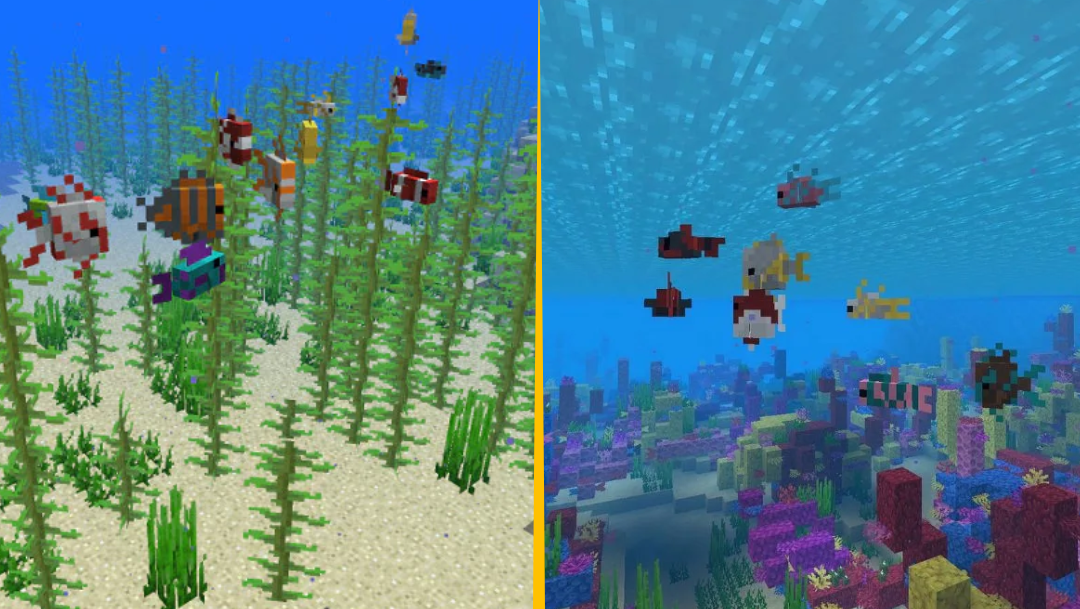
Tropical fish are not found in every puddle. They require specific environmental tags to appear. The most reliable locations are warm ocean biomes and lukewarm ocean biomes. These areas are characterized by their light blue water and the abundance of coral reefs, sea pickles, and coral blocks.
By the year 2026, many players have also discovered that tropical fish spawn underwater in the aquifers of lush caves. These underground paradises are often filled with axolotls, so you must move quickly to catch the fish before they become a snack. Additionally, mangrove swamps provide a unique, shallow-water environment where fish swimming between roots can be spotted and caught. In the deep variants of the ocean, you can find massive schools of red snapper and yellow tang varieties.
Using Water Buckets to Catch and Transport Fish
The fish bucket is the single most important tool for any aquatic enthusiast. Attempting to move fish in Minecraft using a lead or by pushing them is impossible. If a fish is left on the ground, it will begin bouncing and eventually suffocate.
To catch a fish, you must use an empty bucket on a water source block containing a fish. This captures the creature instantly. This method is superior to a fishing rod because it keeps the fish alive and preserves its specific variant tag values. Once a fish is in a bucket, it is no longer treated as a temporary mob; it becomes a persistent entity that you can carry across thousands of blocks.
Trading for Buckets of Tropical Fish with Wandering Traders
If your base is located in a desert or a tundra, you might find it difficult to reach a warm ocean. In these scenarios, the Wandering Trader is a vital resource. These traders often offer a fish bucket containing a completely random tropical fish in exchange for five emeralds. This is often the only way to acquire a unique fish like the red-lipped blenny or the emperor red snapper without embarking on a cross-continental trek.
How to Build an Automatic Tropical Fish Farm
For players who want an industrial-scale supply of fish for massive aquariums or for breeding axolotls, an automated spawning farm is the ultimate solution. This project utilizes the game's internal spawning limits to create a "collection" zone.
Minecraft Tropical Fish Spawning Requirements
To build an efficient farm, you must respect the technical rules. Tropical fish spawn in groups of eight. They require at least a two-block depth of water and a light level of 9 or higher in Java Edition (though Bedrock Edition tropical fish rules can vary slightly). They only appear in the Y-level range of 50 to 64. If your farm is too high or too low, the fish mobs will simply never appear.
Creating an Artificial Pond for Infinite Fish Spawns
A high-efficiency farm is essentially a massive glass box built in the middle of a lukewarm ocean biome. By clearing out all other water sources within a 128-block radius, you force the game to use its entire "mob cap" on your specific pond. Adding coral blocks and sea pickles to the floor of your artificial pond can help maintain the high light levels required for maximum spawn rates. Over time, you will see a constant stream of randomly chosen patterns filling your tank.
Using Soul Sand and Water Elevators for Easy Collection
Once the fish have spawned in your collection area, you need a way to view or harvest them. Soul Sand is an incredible fish block utility; when placed under water, it creates upward-moving bubbles. These bubbles catch the fish's momentum and carry the fish swimming up to the surface. You can use these water elevators to transport fish from an underwater spawning floor directly into a glass-walled viewing gallery on the surface.
How to Breed Axolotls Using Tropical Fish Buckets
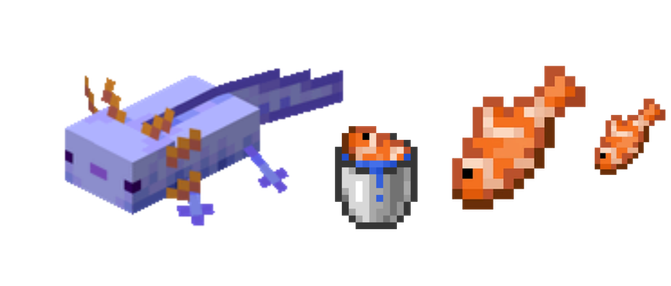
The most common reason players want to breed tropical fish is to support their axolotl army. Axolotls are the primary predators of the tropical seas and are the only creatures that utilize these fish for their own breeding cycle.
Collecting Tropical Fish Buckets for Axolotl Food
Axolotls are incredibly picky. They do not respond to a fishing rod catch, and they will not eat raw fish items. To breed them, you must provide a "Bucket of Tropical Fish." This means you must have a live fish swimming inside a bucket. Collecting these can be tedious, so many players keep a double chest full of buckets specifically for this purpose. When you feed one of these buckets to two fish-like axolotls, they will produce a baby, which can inherit rare colors like blue.
Why Raw Tropical Fish Items Won't Work for Breeding
It is a common point of confusion for beginners: why can I not just use the meat? In the Minecraft world, "Tropical Fish" as an item (the dead version) is essentially useless for everything except personal food. It does not contain the "life force" or variant tag values that the axolotl requires. The axolotl is coded to check for a specific "Entity Bucket" item. Without the live fish, the breeding sequence will never trigger.
Final Tips for Players
-
When building a tank, use light blue glass panes for a more realistic water effect.
-
Remember that tropical fish jumping can lead to them landing on blocks and dying; always use a roof.
-
Java edition and Bedrock edition tropical fish have slightly different spawn rates; check your version.
-
If you see tiny fish particles but no fish, it might be a missing pattern bug.
-
Using a normal naming system with an anvil on a bucket lets you name your fish before releasing them.
-
A dark gray pattern color is one of the rarest finds in a warm ocean.
-
The behavior of tropical fish is simple: they want to be near the same species groups.
-
Use a light gray background for your tank to make the red snapper colors pop.
-
Avoid adding fish to tanks with elder guardians or axolotls if you want them to stay alive.
-
The visible pattern can sometimes glitch; relogging usually fixes the invisible fish issue.
Tropical Fish FAQs for Minecraft Players
As you build your underwater empire, you will likely encounter several technical questions regarding fish sizes and fish type variations.
What Do Tropical Fish Eat?
In the vanilla game, tropical fish do not eat. They do not have a hunger bar, and you do not need to drop food into your aquarium. The behavior tropical fish tend to display is purely aesthetic; they swim in schools and follow a leader. While some mods might allow you to breed fish by feeding them kelp, the standard game does not require any maintenance for their survival.
How Many Tropical Fish Variants Are There?
This is where the game gets incredibly deep. There are technically over 2,700 different tropical fish variants. This number is reached through a combination of two sizes (small and large), 15 different colors for the fish's body, 15 colors for the fish's pattern, and 6 different preset pattern shapes.
Technical players often look at the most significant byte and the least significant byte of the NBT data to identify rare combinations. Most fish you see will be "common" varieties like the yellowtail parrotfish or the orange lime dasher, but with enough patience, you can find uniquely named tropical fish that look unlike anything else in your world.
Do Tropical Fish Despawn After Being Placed?
This is a critical distinction for any builder. Naturally spawned tropical fish, those that you just find in the ocean, will despawn if you walk too far away. However, any fish that has been caught in a fish bucket and then released will never despawn. The act of putting it in a bucket gives it a "persistence" tag, making it a permanent part of your aquarium.
Conclusion
Mastering the world of tropical fish is a journey of patience and exploration. While you cannot technically breed tropical fish in a fenced-in ranch, the sheer variety of tropical fish variants makes them the ultimate collectible in the game. By utilizing coral blocks, water buckets, and strategic spawning locations, you can turn a simple base into a world-class underwater destination.
To ensure your massive aquariums and complex water elevators run smoothly without stuttering, a high-performance server is a must-have. For the best 2026 gaming experience, Sparkedhost Minecraft hosting provides the reliable infrastructure needed to keep your Minecraft world and all its fish mobs running at peak performance.