All Types Of Wood In Minecraft: Explained
Explore all types of wood in Minecraft with this complete guide. Learn where to find each wood type, their uses, and how to craft with different variants.

Shahrukh Sial is a Gaming Content Strategist at Sparked Host. He identifies his own strategic outlines through deep research to cover game guides, tips, and updates that help players improve their skills and enjoy a better gaming experience.
Ever wonder about all the different types of wood you can find and use in the game? Wood is one of the most fundamental resources you will ever need, serving as the building blocks for your first shelter, your first pickaxe, and almost everything else. While it may seem simple at first, Minecraft offers a rich variety of wood, each with its own unique color, texture, and story.
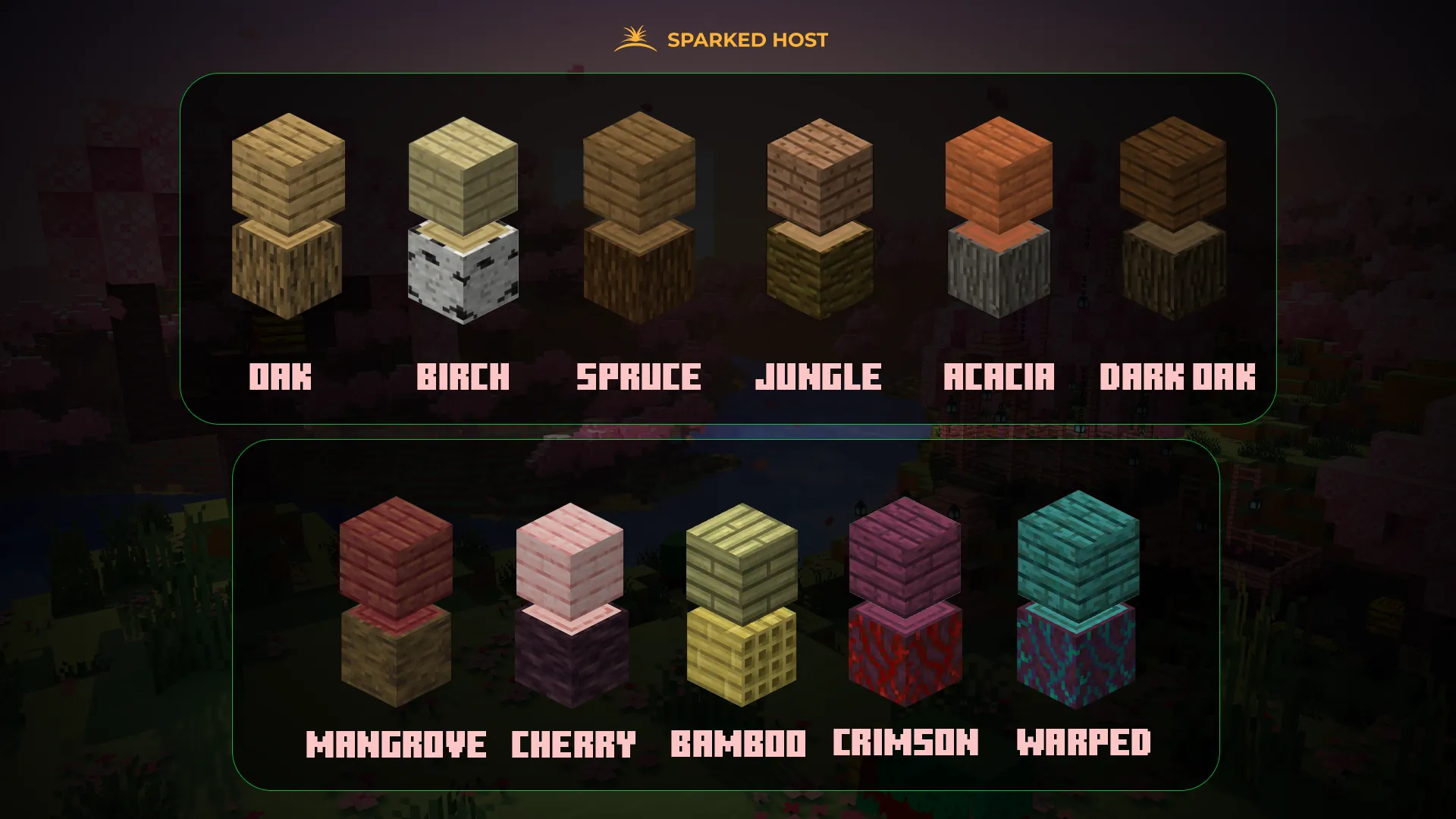
From the familiar brown of oak wood to the vibrant pink of cherry wood and the exotic crimson wood from the Nether, each wood type offers a new set of possibilities for your creative projects. By the end of this blog, you will be a lumberjack expert, ready to find and use any kind of wood the game has to offer. So, grab your axe and get ready to learn about every single wood type
How Many Wood Types Are In Minecraft?
As of the latest updates, there are 11 different types of wood in Minecraft. These include both the standard woods found in the Overworld and the unique, fire-resistant woods from the Nether. Each wood type has its own log, plank, slab, stair, fence, gate, button, pressure plate, sign, and door variants. Additionally, you can find stripped wood logs and stripped wood blocks for each type, providing even more options for building.
Every Type Of Wood In Minecraft
Now that you know how many kinds of wood exist, let us get into the details of each one. Every wood type in Minecraft has its own unique texture, color, and story. From the most common oak wood you will find in your starting biome to the rarest trees and logs, each one provides a new opportunity for building and design.
We will go through each one, covering when it was added, where you can find it, and what makes it special for building.
Remember: Every wood type also has a stripped wood variant, which is created by using an axe on the log block. This removes the outer bark and gives you a new, cleaner texture for building. This is a very common technique for builders to get a different look.
Cherry
-
When added: Cherry wood was a big addition in the 1.20 Trails & Tales update. It was highly anticipated and brought a beautiful, new aesthetic to the game.
-
Where to find it: This stunning pink wood type is exclusive to the cherry groves biome, a gorgeous, mountainous biome filled with cherry blossom trees and pink petals on the ground. The trees themselves are easy to spot from a distance due to their unique, bright color.
-
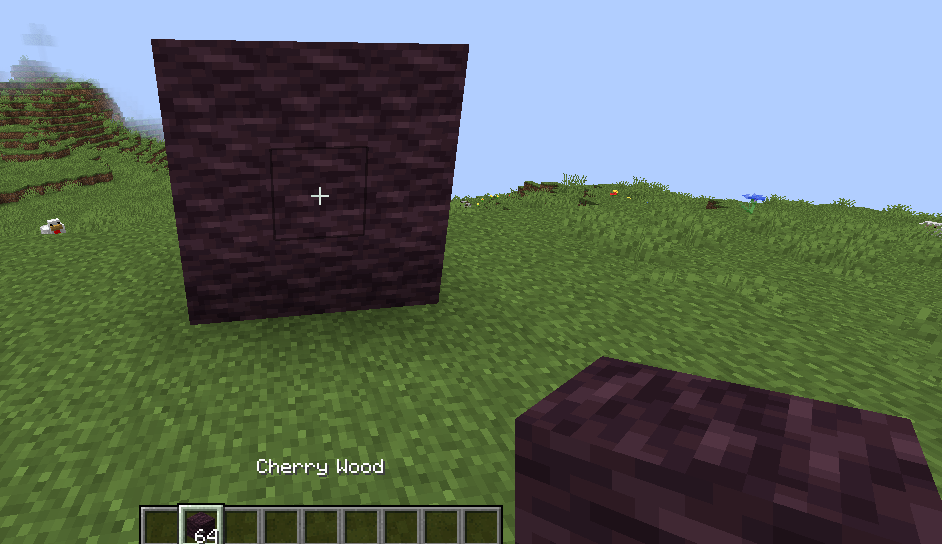
What it can be used for in building: The vibrant, light pink hue of cherry wood makes it a favorite for decorative builds. Players use it for everything from cute houses and pagodas to creating beautiful pathways and colorful furniture. The pink petals that fall from the trees also make for a great decorative block on their own.
Bamboo
-
When added: Bamboo was first introduced in the 1.14 Village & Pillage update. It was a useful new plant, and later updates expanded its use as a proper wood type. The ability to turn it into bamboo wood blocks and planks came with the 1.20 Trails & Tales update.
-
Where to find it: Bamboo is found in its own biome, the bamboo jungle. This biome is a variant of the regular jungle biome and is extremely dense with tall bamboo plants. You can also find smaller amounts in regular jungle biomes and sometimes in shipwreck chests.
-
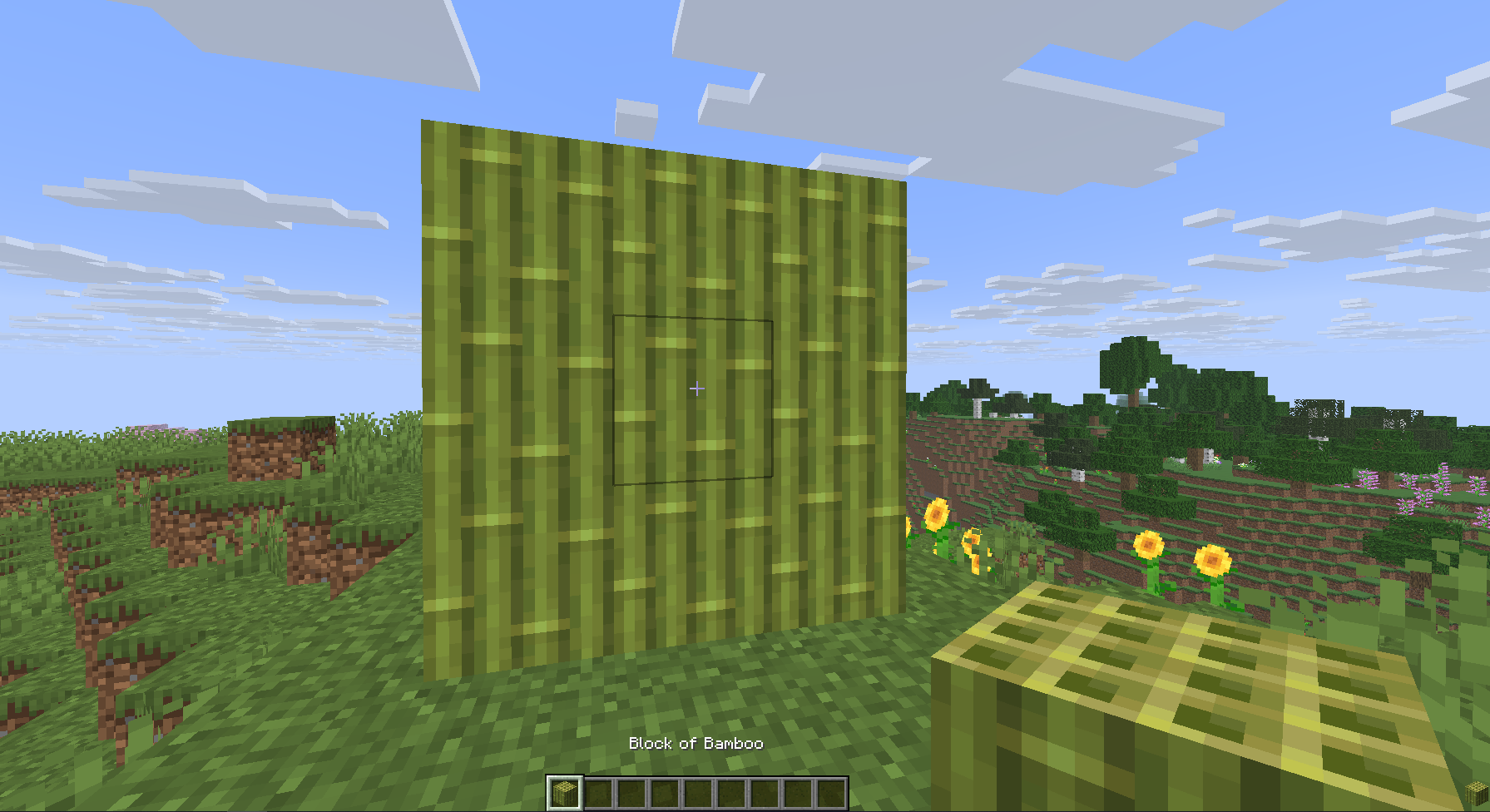
What it can be used for in building: Bamboo is an incredibly versatile resource. You can turn nine pieces of bamboo into one bamboo block, and from there, you can craft all the standard wood items. The unique look of bamboo planks and bamboo wood is perfect for creating exotic or tropical-themed builds. You can also craft bamboo planks into a unique block called a bamboo mosaic, which has a different texture and is great for flooring. One other unique use is crafting scaffolding, which is a great tool for building tall structures quickly and safely.
Mangrove
-
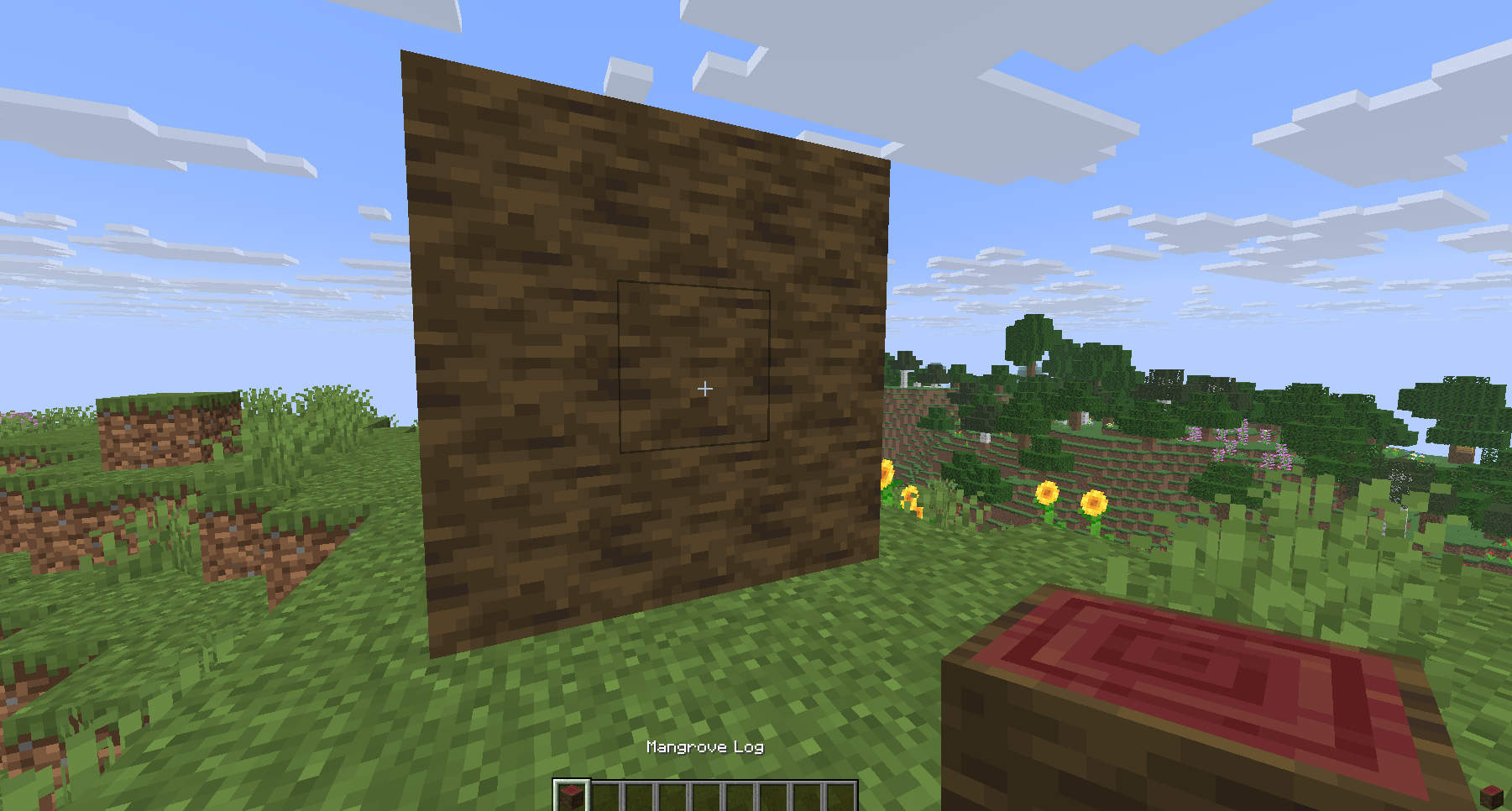
When added: Mangrove wood type was introduced in the 1.19 The Wild Update. This update focused on bringing the wilderness to life, and this wood was a key part of that.
-
Where to find it: You can find mangrove trees exclusively in the mangrove swamp biome. This swamp is different from the regular swamp biome, featuring a mix of water and mud blocks. The mangrove trees themselves have large, winding root systems and are a great source of mangrove wood logs and mud blocks. They can be a bit tricky to navigate due to the dense root structures.
-
What it can be used for in building: Mangrove wood is a vibrant, reddish-brown color that looks great on its own or when combined with other wood types. It is often used for creating rustic or swamp-themed builds, like lakeside cabins or stilt houses. The unique root blocks also offer interesting opportunities for creative building, especially for making natural-looking foundations or underwater structures. The logs have a distinct appearance, with a dark outer bark and a reddish interior.
Warped
-
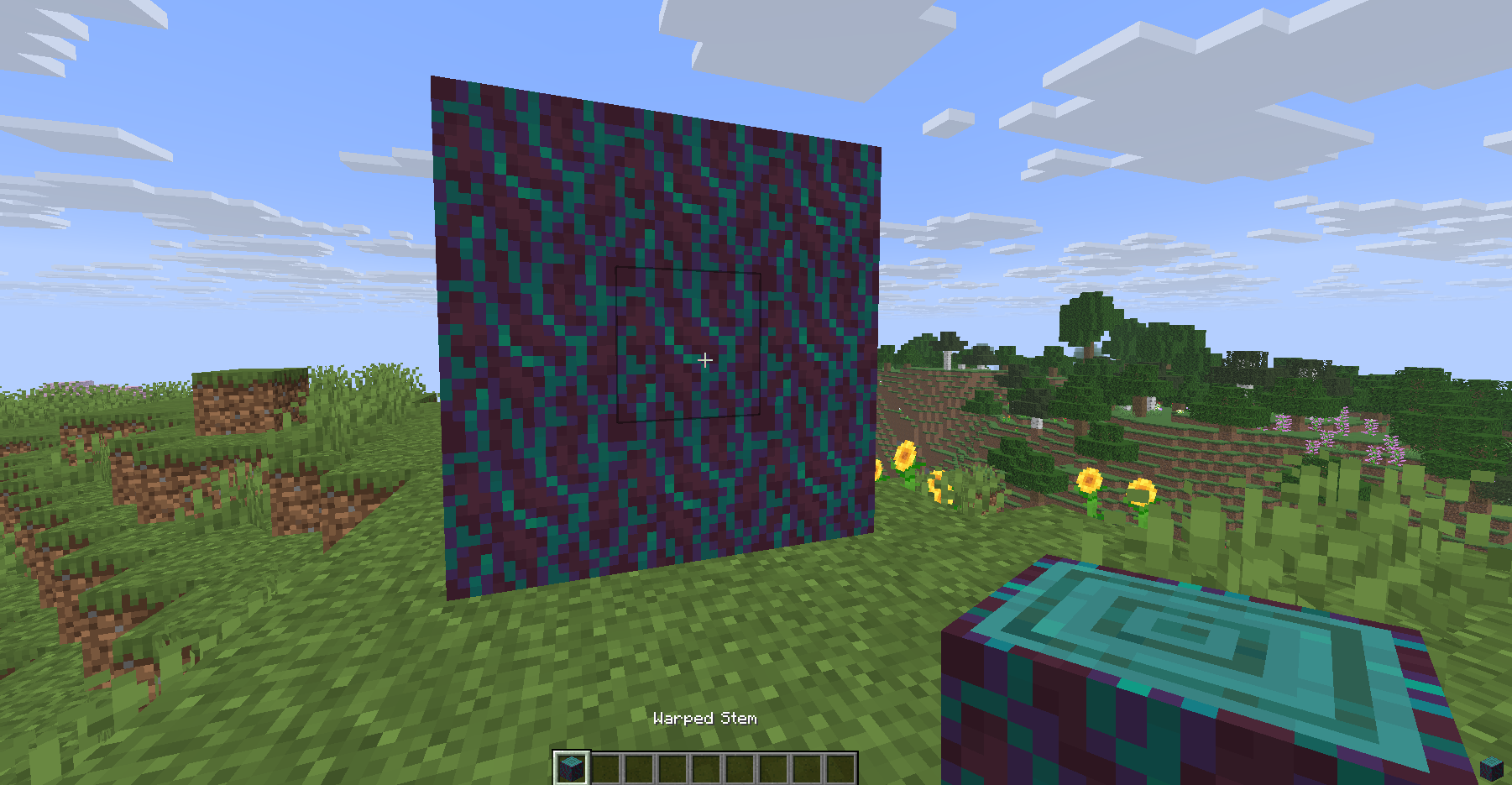
When added: Warped wood type was added in the massive 1.16 Nether Update. This update completely changed the Nether and gave it a whole new set of biomes and resources, including this alien-looking wood.
-
Where to find it: Warped stems, which are the equivalent of logs, are found in the warped forest biome in the Nether. This biome is easy to spot because of its surreal, blue, and cyan color palette and glowing fungi. This wood type is one of the nether exclusive woods, meaning it can only be found in this dimension.
-
What it can be used for in building: The unique, deep blue-green color of warped wood makes it a fantastic choice for futuristic or fantasy-themed builds. Since it does not burn, it is a great material for building bases and structures in the Nether, where a careless mistake with a lava bucket could be a disaster. The un-burnable property is a major advantage.
Crimson
-
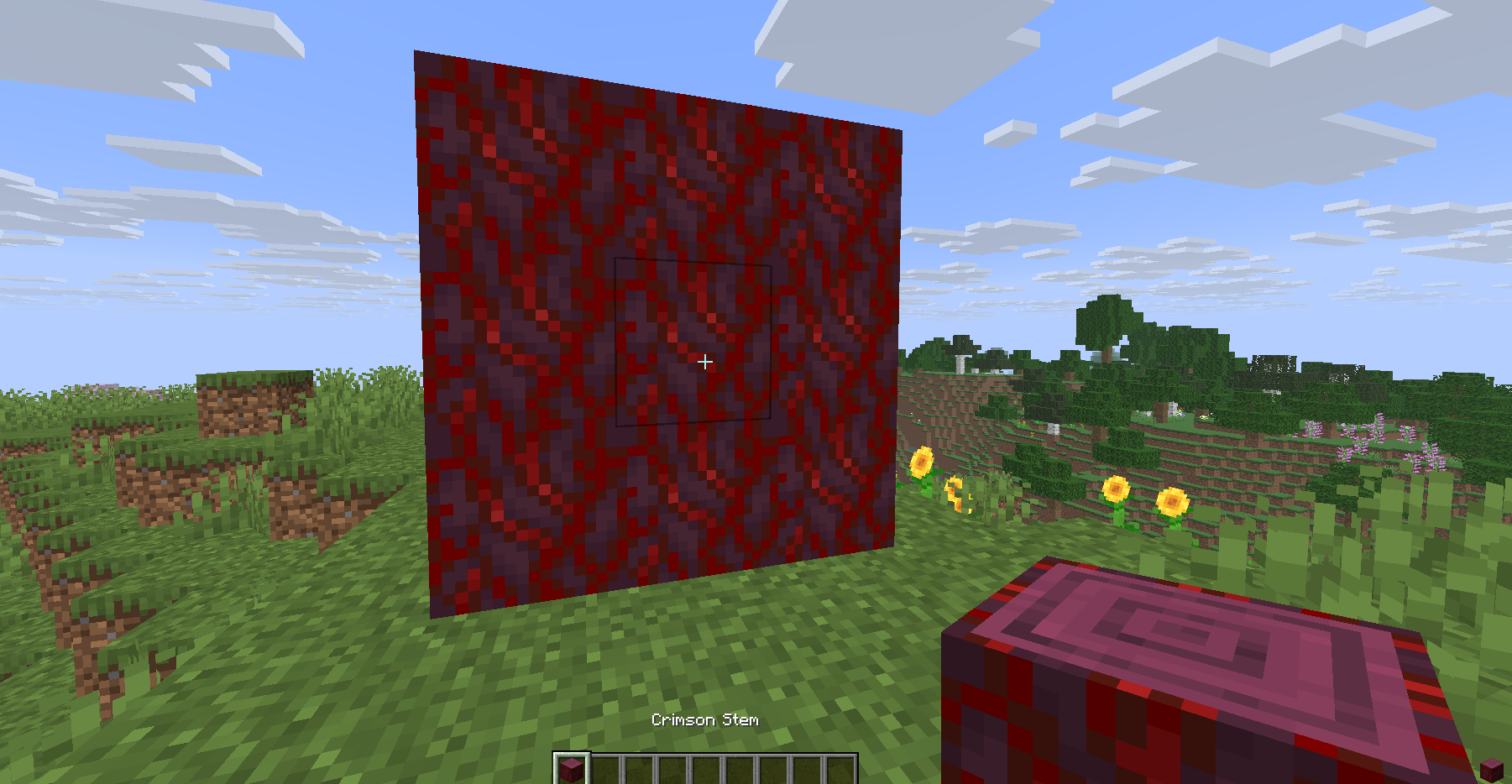
When added: Crimson wood, like warped wood, was also introduced in the 1.16 Nether Update.
-
Where to find it: Crimson stems are found in the crimson forests of the Nether. This biome is a reddish-purple landscape filled with shroomlights and crimson fungi. Like its warped counterpart, this is another of the nether exclusive woods.
-
What it can be used for in building: The deep red and purple tones of crimson wood are perfect for creating dramatic or menacing builds. Many players use it for building castles, demonic structures, or as an accent in builds that need a splash of dark red. Like warped wood, it is completely fireproof, which makes it an excellent choice for any Nether build. The logs have a dark, red-pinkish bark and a bright crimson interior.
Dark Oak
-
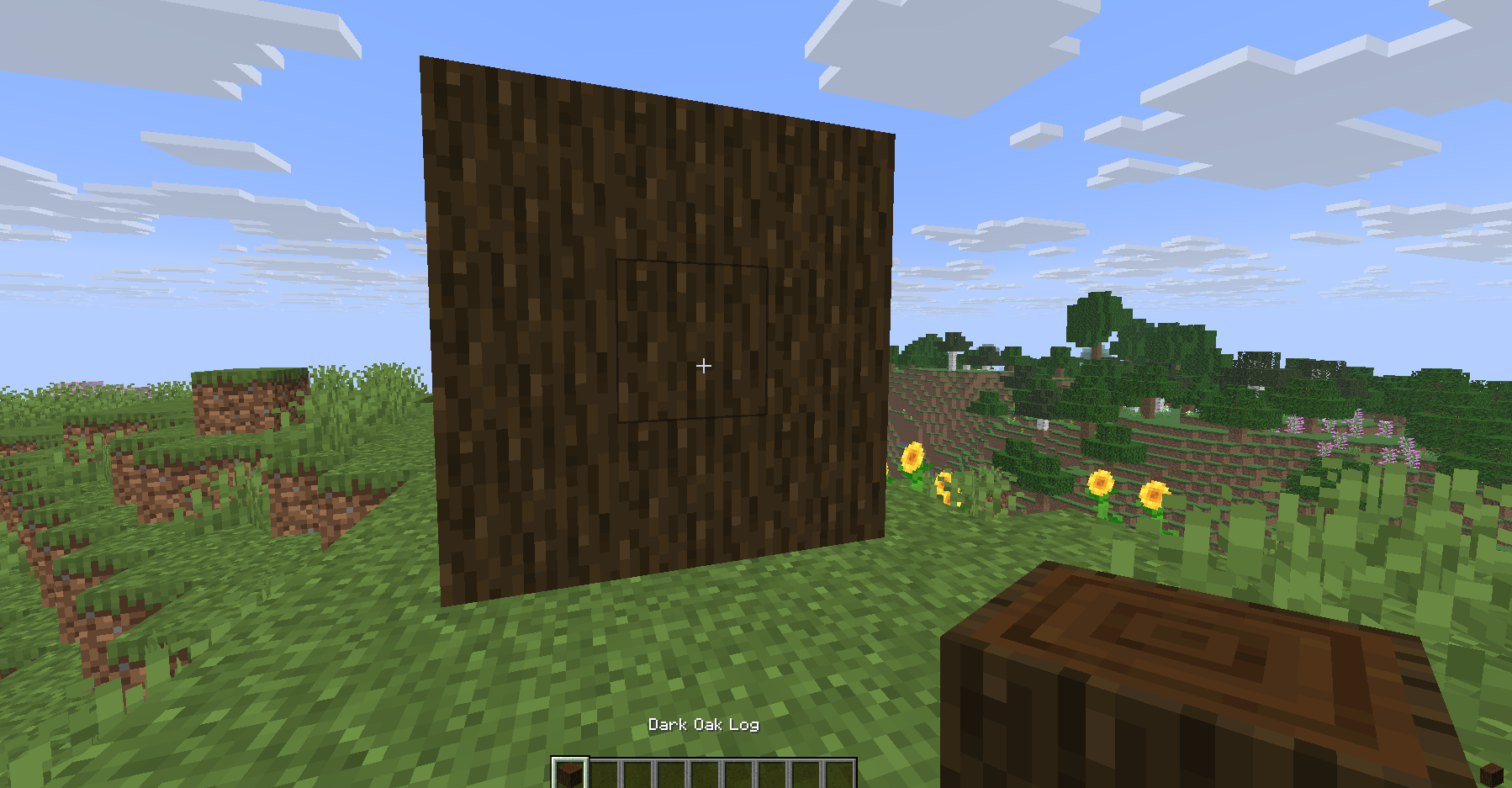
Dark oak was introduced in the 1.7.2 The Update that Changed the World update. It was one of the first new woods added after the original four.
-
Where to find it: Dark oak trees are exclusively found in the Roofed Forest biome. This biome is easily recognizable by the dense canopy of leaves that blocks out most of the sunlight, often making it dark enough for hostile mobs to spawn during the daytime. The trees are huge and have a 2x2 trunk, meaning they require a minimum of two-by-two saplings to grow.
-
What it can be used for in building: Dark oak logs and dark oak wood have a rich, deep brown color, almost like chocolate. This wood is great for creating medieval or gothic-style structures, and the planks provide a fantastic contrast to lighter blocks. The iconic Woodland Mansions are also made primarily of this wood type, so you can get a lot of it by exploring one of those rare structures. The dark oak bark blocks are a very dark brown, while the planks are a bit lighter. A common building technique with this wood is to use dark oak logs to create a strong frame and then fill in the walls with dark oak planks. This is one of the best choices for making grand, imposing builds.
Acacia
-
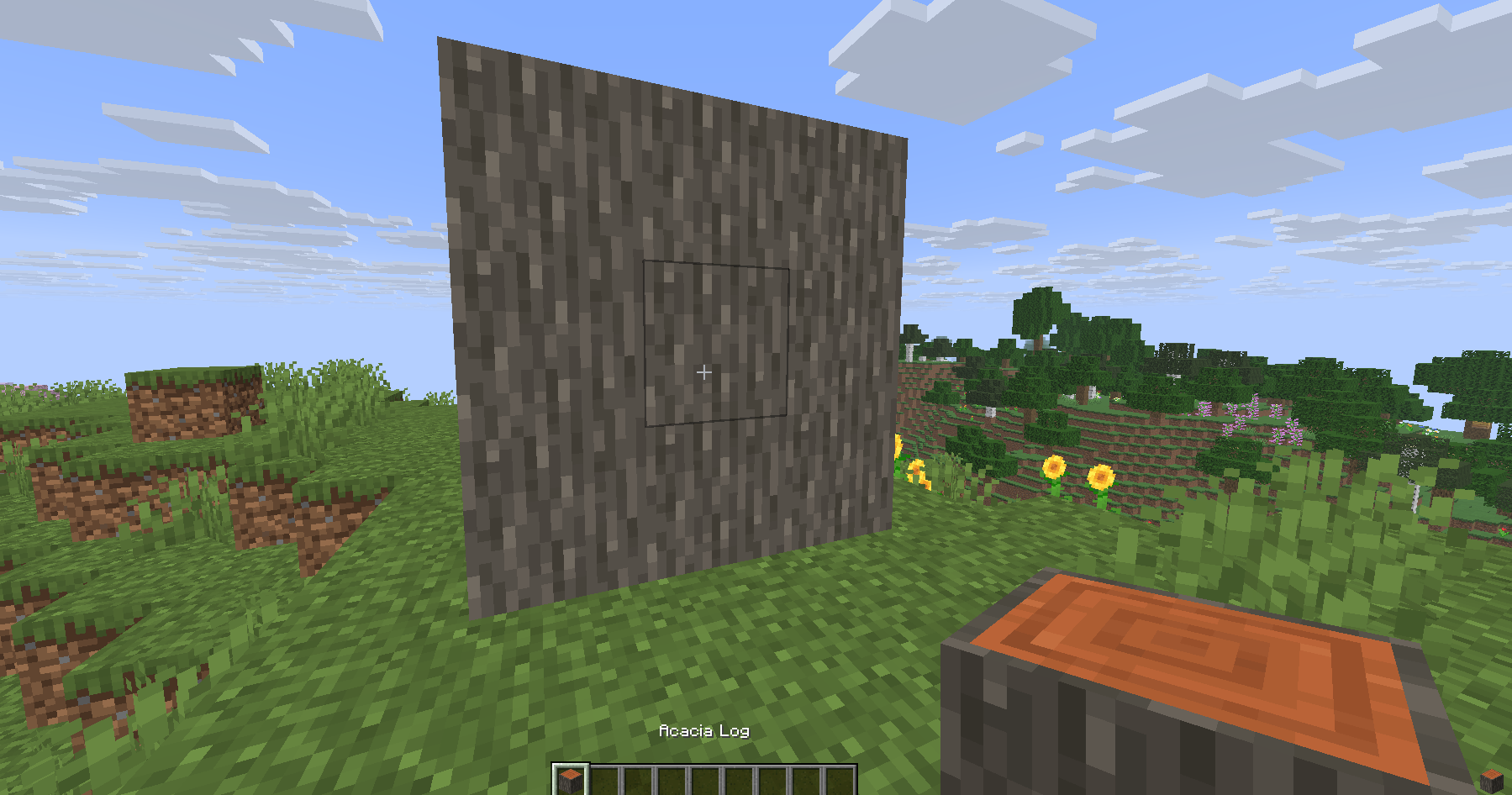
When added: Acacia wood was also added in the 1.7.2 update, alongside dark oak.
-
Where to find it: Acacia trees are found almost exclusively in the Savanna biome, which is a dry, flat grassland. The trees are very distinct, with their twisted, diagonal trunks and flat canopies. They are also easy to spot because of their bright, orange-red color.
-
What it can be used for in building: The orange hue of acacia wood and acacia wood planks makes it a difficult choice for some builders, but it is a fantastic accent color. It is often used to add a pop of color to buildings made of other materials or to create bright, vibrant structures. The acacia wood is perfect for creating desert houses or African-themed builds.
Jungle
-
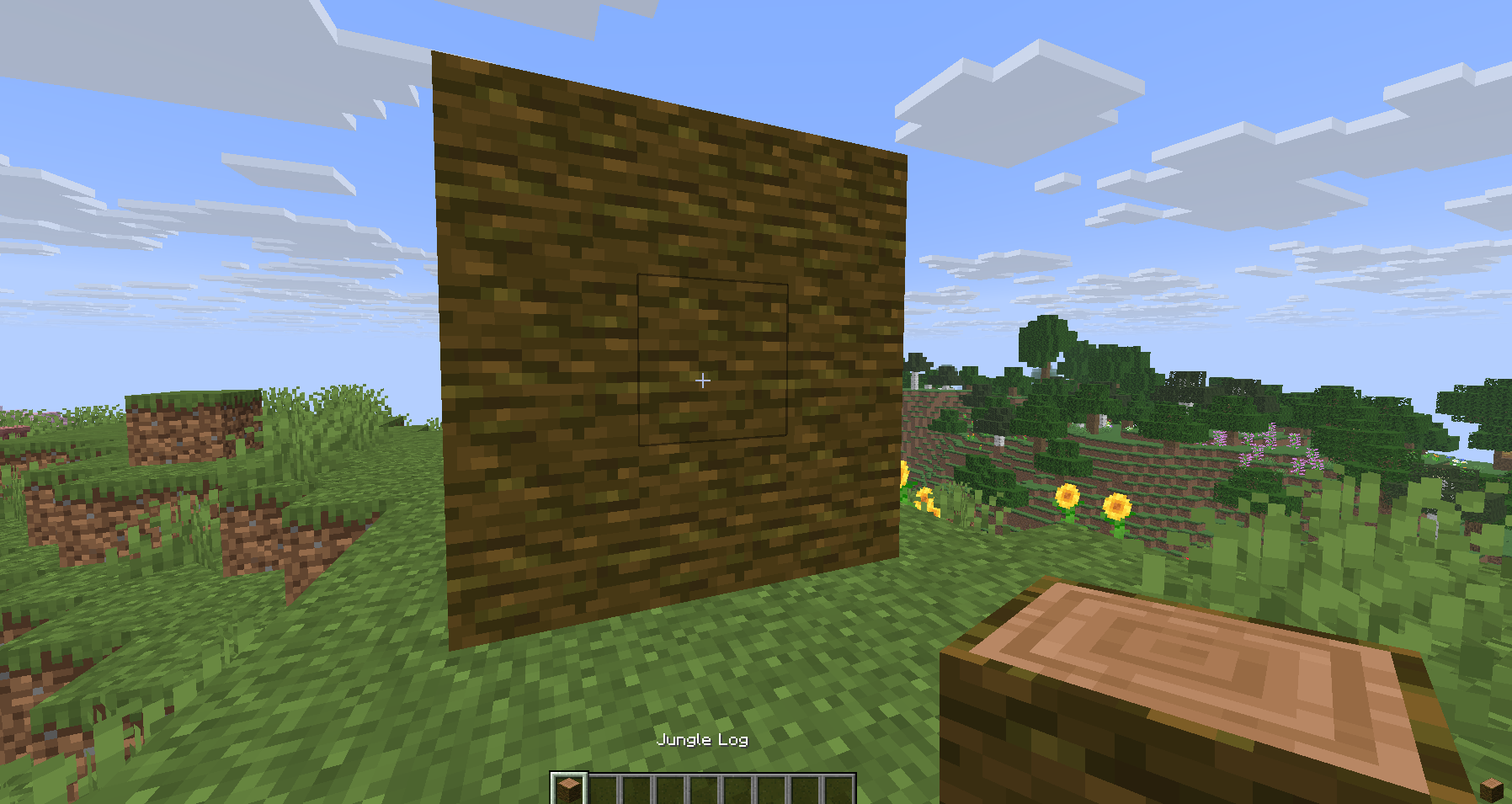
When added: Jungle wood was introduced in the 1.2.1 update, which also brought the jungle biome and ocelots to the game.
-
Where to find it: Jungle trees are a staple of the jungle biome, where they grow in a wide variety of shapes and sizes. The most recognizable are the giant jungle trees that can reach an immense height and have two-by-two trunks. They often have vines hanging down from their leaves and cocoa beans growing on their trunks.
-
What it can be used for in building: Jungle wood has a medium-brown color with a slight greenish tint. It is a solid, versatile wood for building. The giant jungle trees provide a large amount of logs, making them a great resource for survival players. You can also find cocoa beans growing on the trunks, which you can use to make brown dye or cookies. It is great for making treehouses or structures that blend in with the lush foliage of the jungle.
Birch
-
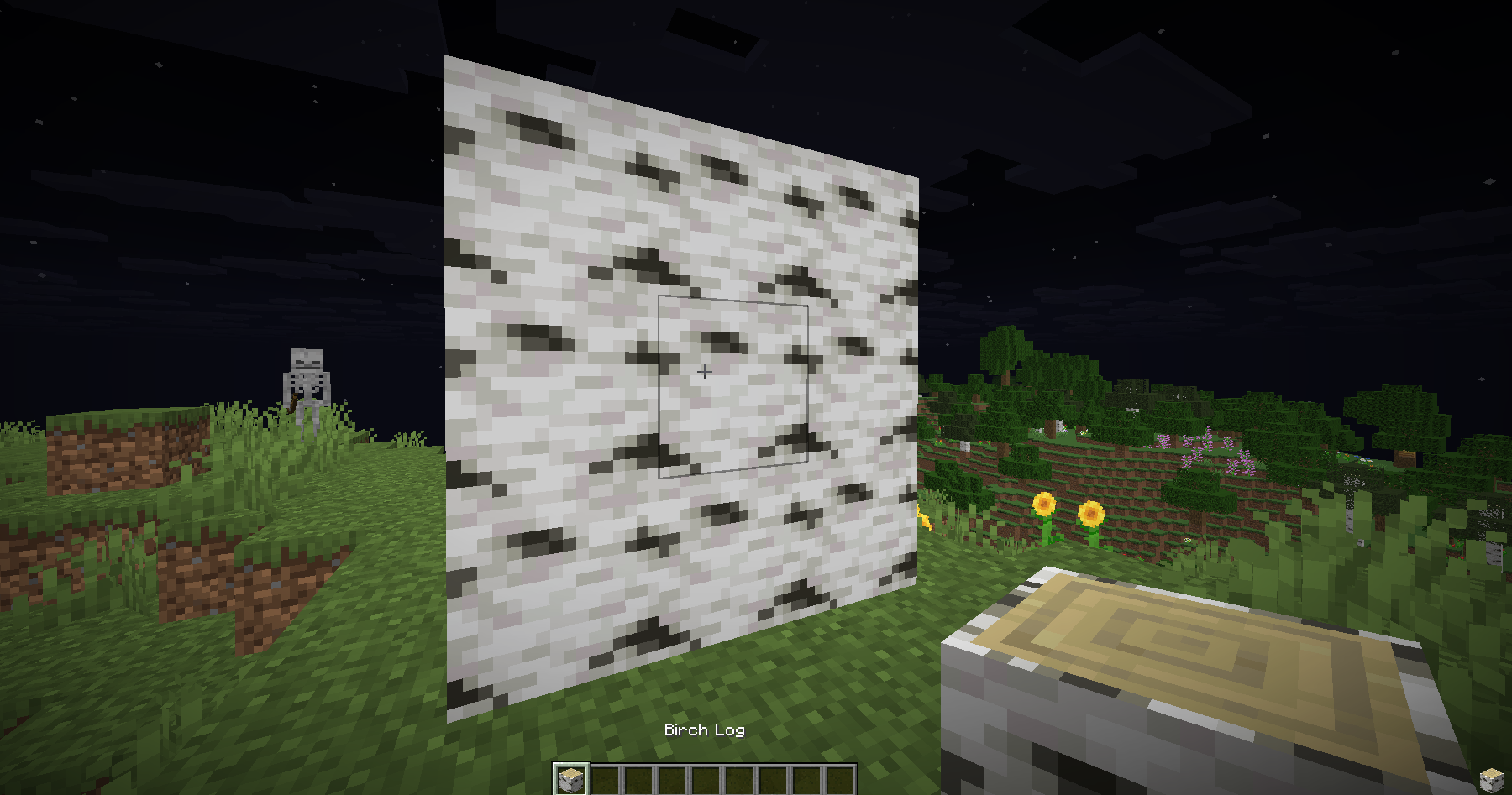
When added: Birch was one of the original woods, added in the Beta 1.2 update back in 2011.
-
Where to find it: Birch trees are incredibly common and can be found in many biomes, including Forests, Plains, and their own dedicated Birch Forest biomes. They are easy to spot because of their distinctive white bark and bright, light green leaves.
-
What it can be used for in building: Birch wood is known for its light, almost white color. The birch wood planks are often used as a contrasting block with darker woods to create a two-tone effect. They are a popular choice for modern houses, interior flooring, and as a lighter alternative to oak wood.
Spruce
-
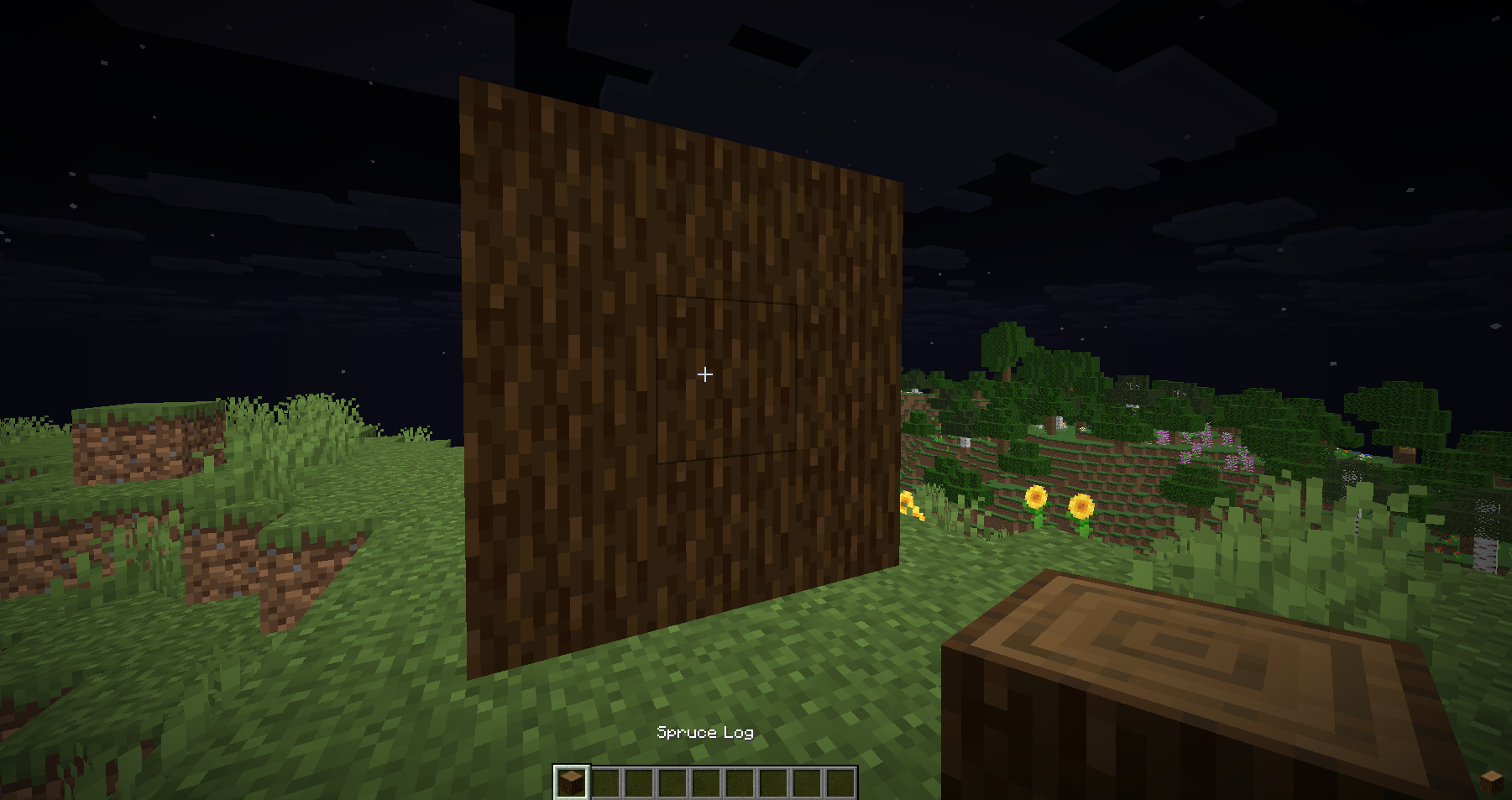
When added: Spruce wood was also added in the Beta 1.2 update, along with birch.
-
Where to find it: Spruce trees are found in colder biomes, most notably the Taiga and Snowy Taiga biomes. They are tall, thin trees with dark, cone-shaped canopies. They grow close together in these biomes, creating dense forests.
-
What it can be used for in building: Spruce wood has a dark, grayish-brown color. It is a very popular choice for building because of its rustic, cabin-like appearance. It is a great wood for creating mountain cabins, log houses, and detailing roofs. The spruce wood planks and other blocks are some of the most widely used in the game for building.
Oak
-
When added: Oak was the very first wood type in the game, added way back in the earliest versions of Minecraft.
-
Where to find it: Oak trees are the most common tree in Minecraft. They can be found in almost every temperate biome, including Forests, Plains, and Savannas. This makes oak wood the easiest and most accessible wood to find in the game.
-
What it can be used for in building: Oak wood has a medium brown color that is the classic, default look for most wooden items. It is a versatile and balanced wood type that can be used for almost any build. From your very first starter house to elaborate castles, oak wood planks are a staple. This is the wood type that most people learn to build with first, and its availability makes it a great choice for any player, whether they are a beginner or a seasoned builder.