How to Survive the Desert Heat & Sandstorms in DayZ Badlands
Learn essential tips to endure the harsh desert heat and sandstorms in DayZ's Badlands. Stay alive and thrive through the desert with this guide.

Shahrukh Sial is a Gaming Content Strategist at Sparked Host. He identifies his own strategic outlines through deep research to cover game guides, tips, and updates that help players improve their skills and enjoy a better gaming experience.
So you spawned into Nasdara, took three steps, and watched your water bar vanish while your vision got blurry. Welcome to Badlands. To survive the desert heat and sandstorms in DayZ Badlands, you need to keep hydration high, use water to wash your face and soak clothing to cut heat stress, move during cooler hours, wear light gear, and carry eye and face protection or get into solid shelter when a sandstorm hits.
The desert here isn't just background scenery. It's an active killer that will end your run faster than any sniper, so if you're a DayZ player trying to live longer in the Badlands region, these basics matter immediately. Let me break down exactly how to not die immediately, including the hidden heat-stress mechanics, smart hydration management, clothing and travel timing, how to recognize sandstorms, and how to survive the extra threats they create when visibility drops.
How to Survive the Desert Heat: Essential Desert Survival Tips
Understanding the Hidden Heat Stress Survival Mechanics
DayZ Badlands added a hidden "heat stress" gauge that builds up silently even when your temperature icon looks fine. You won't see a meter for it, but you'll feel the effects: blurred vision, stamina penalties, fainting, and eventually death. This isn't like other maps where you just check if you're cold. Heat stress accumulates in the background and punishes you for ignoring it.
-
Stage 1 (0-30% heat stress): Slight screen edge blur, minor stamina regen penalty. Lasts roughly 2-3 minutes if untreated.
-
Stage 2 (30-60%): Noticeable vision blur, heavy breathing audio cue, 25% stamina penalty. Lasts 1-2 minutes.
-
Stage 3 (60-90%): Severe blur, random stumble animations, 50% stamina penalty, occasional cough. Lasts 30-60 seconds.
-
Stage 4 (90-100%): Fainting spells begin, near-zero stamina, death follows within 30 seconds of first faint.
Remember: Stage 2 is their "act now or die" window. Stage 3 is often too late if you're far from water.
Master Your Hydration Thresholds
Your water level directly controls how fast heat stress builds, so monitor hydration closely because fluid loss is rapid in the desert. Here's the breakdown:
-
3,500 to 5,000 hydration (full white bar): Your body completely blocks heat stroke as long as your temperature stays yellow. This is where you want to live.
-
1,000 to 3,499 hydration: Heat stroke slowly creeps to Stage 1. Manageable but not ideal.
-
Below 1,000 hydration: You lose all protection. Heat stroke rockets through every stage and kills you fast.
Dehydration is a major survival threat here because long travel distances, scarce water, and sandstorms make thirst harder to manage, so carry a bottle and drink whenever you safely can.
Important note: if your temperature gauge turns red, you will get heat stroke no matter how much water you drank. Hydration helps prevent buildup, but extreme heat overrides everything.
Moreover, Plan routes around verified water sources instead of assuming any well will work, since damaged wells cannot provide a stable water supply. Nasdara has very little standing water due to drought.
Use the Wash Face Action
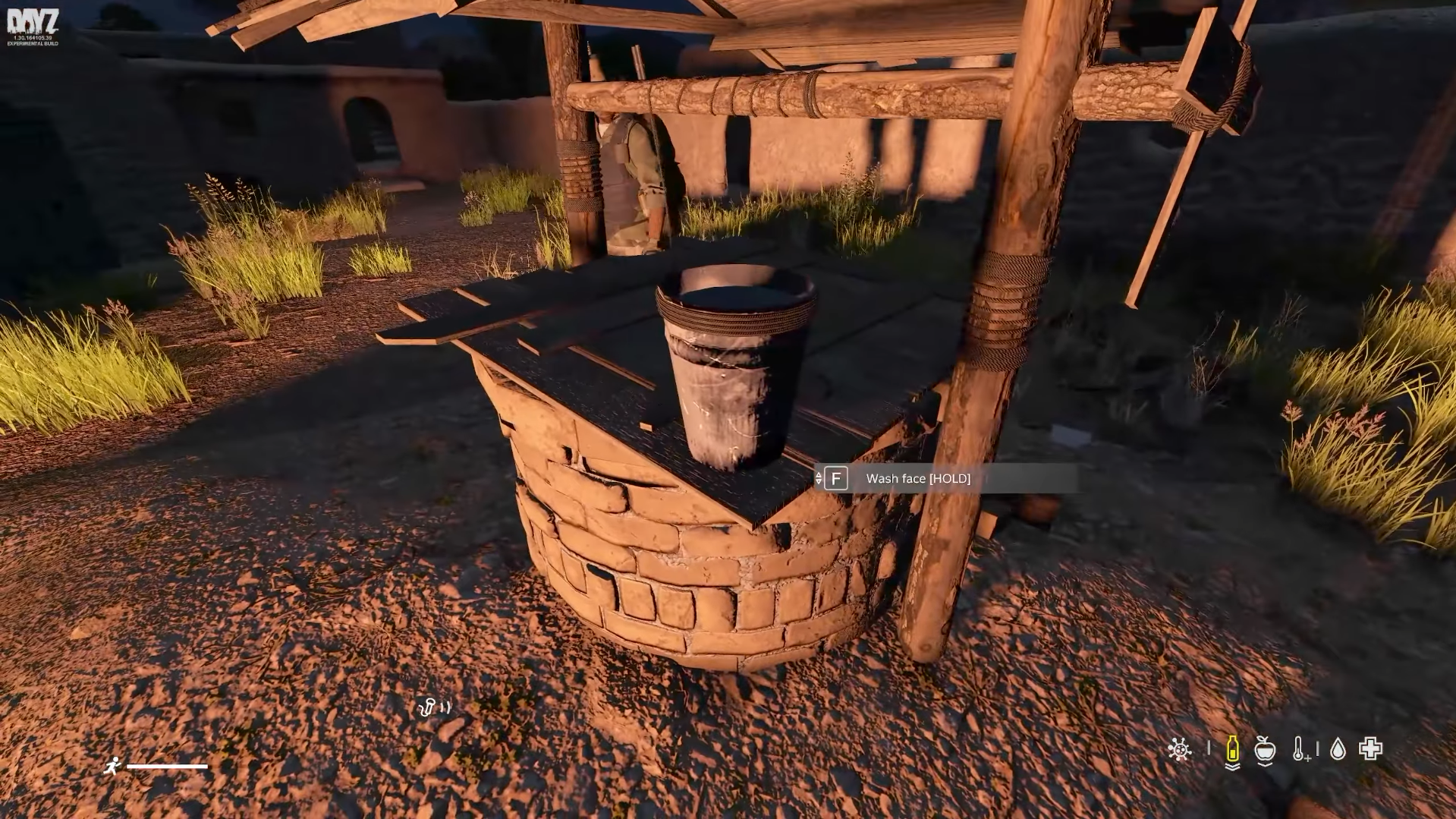
Drinking water helps, but it doesn't instantly fix heat stress. When you're overheating, find a water source or container and use the Wash Face action. Make sure you select Wash Face, not Wash Hands.
-
A full face wash strips away a big chunk of built-up heat stress instantly
-
It gives you a 30-second immunity window where you gain no new heat stress
-
To maximize efficiency, wait about 31 to 32 seconds between washes. This lets the immunity expire, then you wash again without wasting water
Carry a cooking pot or canteen specifically for this. Don't rely only on drinking.
Soak Your Clothing
Wet clothes actively cool you down. Carry a cooking pot or container filled with water just for drenching your gear. Soaked clothing works best when you also use shade to limit direct sun exposure from the sun.
-
Manually dip your clothes in water to soak them
-
Wearing wet or damp clothing drives your temperature back to safe levels
-
If you swap a piece of clothing for new loot, you must soak the new item. The wet status does not transfer automatically
This sounds tedious, but it saves your life during long travel. A soaked kameez beats a dry military jacket in midday heat.
-
Soaked clothing stays wet for approximately 8-10 minutes in direct sun.
-
Damp clothing (partially dry) still provides some cooling but reduced.
-
Re-soak before fully dry to maintain cooling.
-
Rain does not exist in Nasdara. You must manually re-soak.
Pro tip addition: Carry two sets of light clothing. Soak one, wear it until damp, swap to the second soaked set while the first re-soaks in your pot. This maintains continuous cooling.
Travel at the Right Times
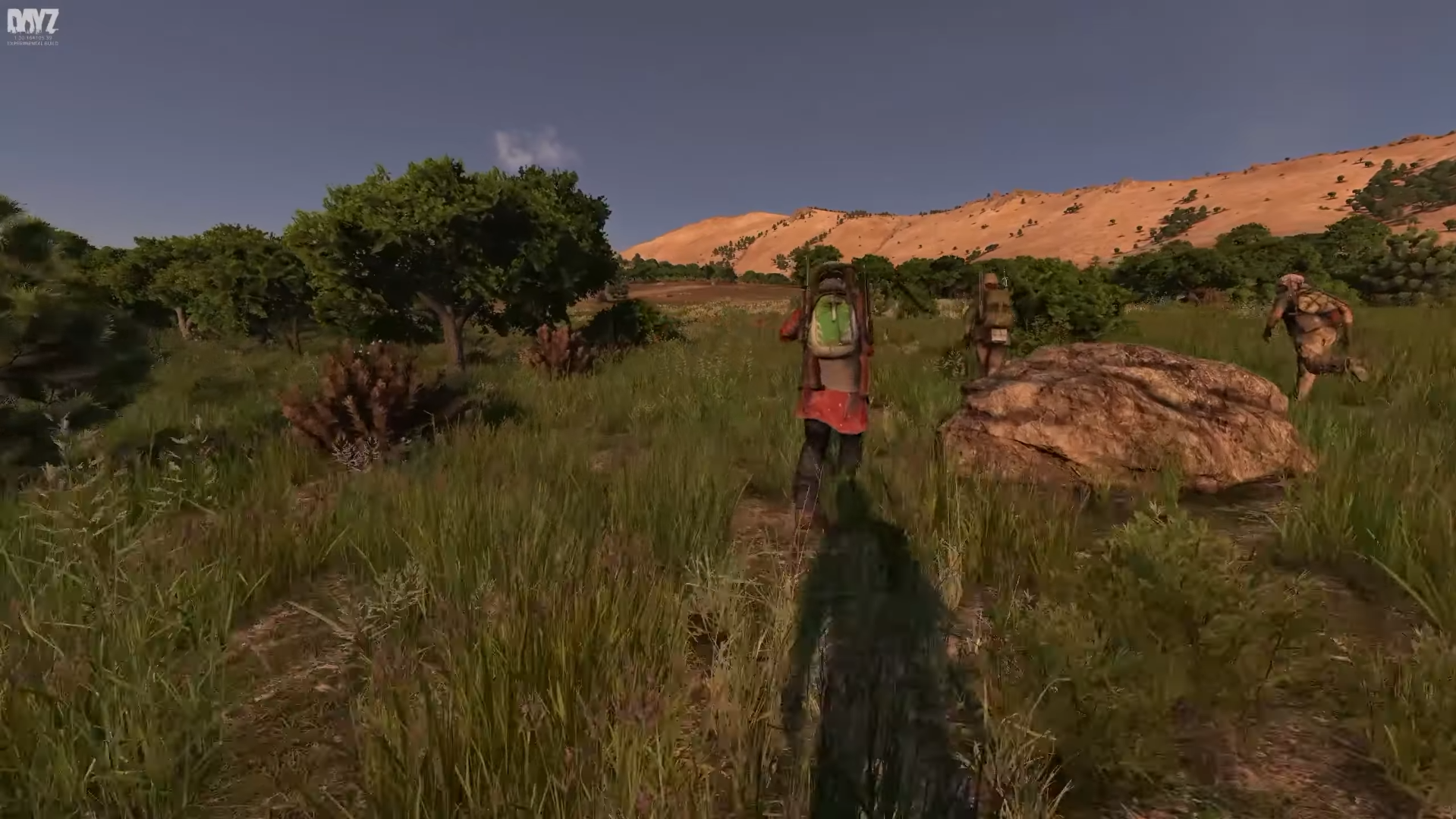
Nasdara has a real day-night temperature cycle. Use it, and break long journeys into short segments so navigation and stamina stay manageable, especially when crossing the desert.
-
9:00 AM and 6:00 PM: Server temperature balances at zero. These are your safest travel windows.
-
11:00 AM to 3:00 PM: Peak deadly heat. Avoid long travel in direct sunlight, and never cross open ground without a reference plan.
-
Night hours: Cold enough to drop your temperature, but sub-zero nights can cause pneumonia. Pack cold weather gear for night runs.
The 30-Second Shadow Rule helps too. DayZ checks if you're in shade exactly every 30 seconds. When you duck under solid cover and see down-arrows on your temperature icon, the check passed. You now have about 28 seconds to sprint to the next shadow before the next check. Chain these shadow hops to cross hot zones without cooking.
Wear the Right Gear
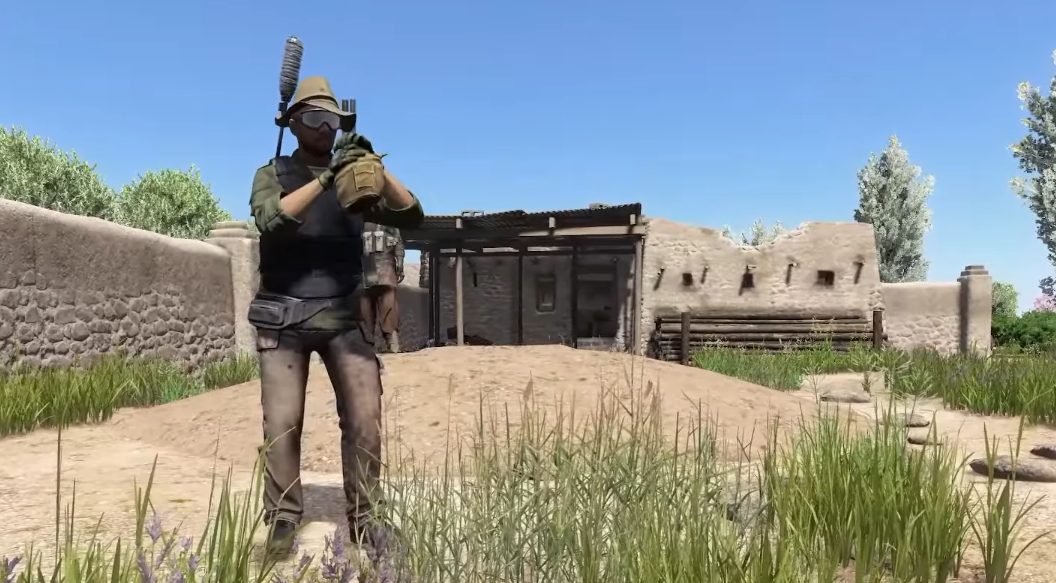
Heavy military jackets, plate carriers, and helmets trap heat. In open desert, switch to low-insulation regional clothing:
-
Good options: Kameez tunics, Shalwar trousers, medical scrubs, light tunics
-
Avoid: Heavy jackets, dry helmets, dry scarves unless soaked
-
Head coverage: Soaked keffiyehs or turbans work. Dry ones trap heat and speed up heatstroke
Lighter regional clothing usually has less inventory space than heavy gear, but you'll live longer. That's the trade-off.
Watch for Fainting
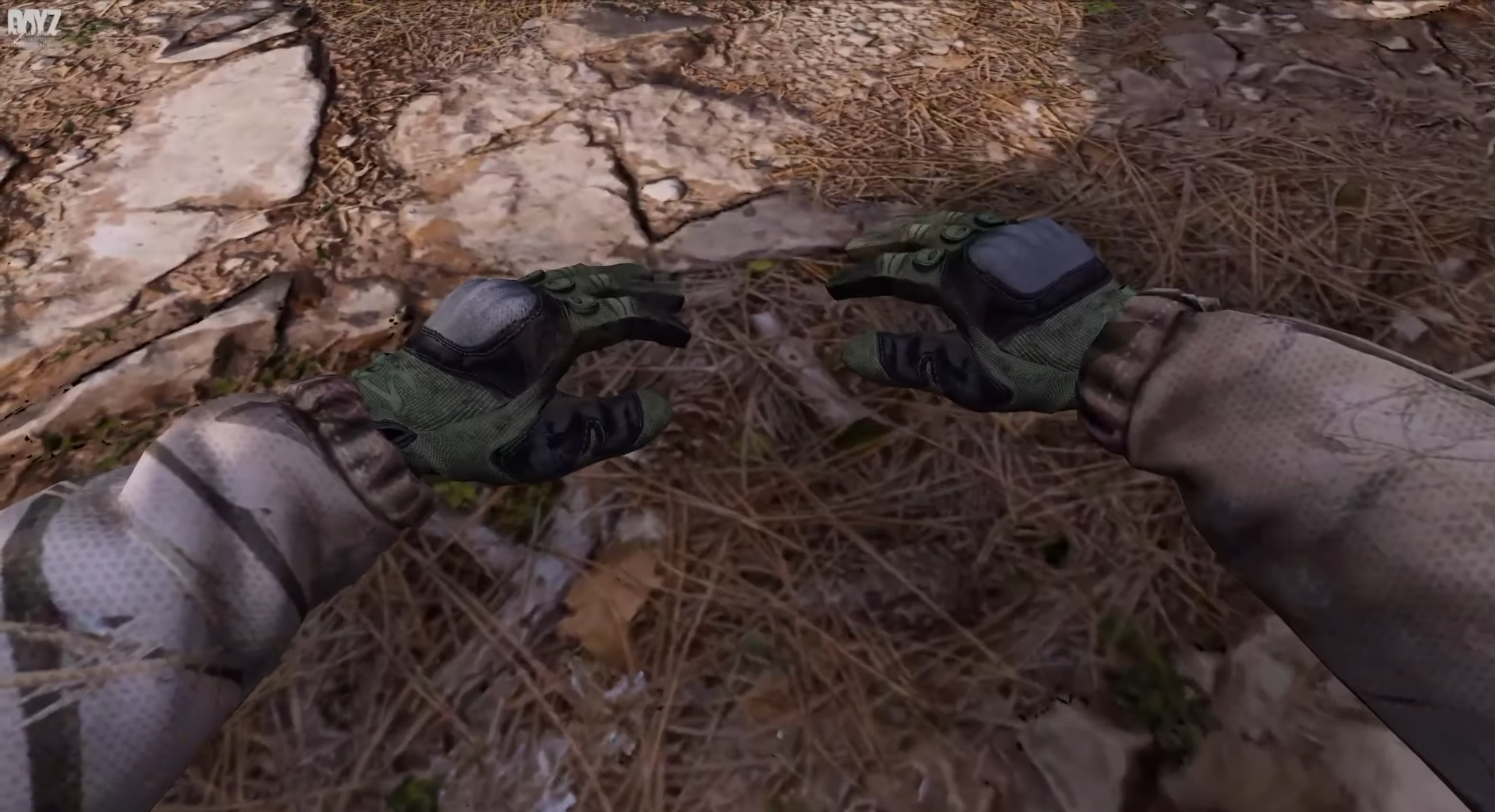
Fainting isn't just falling. It has specific behaviors:
-
Fainting can trigger while sprinting, climbing, swimming, or fighting
-
You remain unconscious for 10-15 seconds
-
You drop held items (weapons, tools)
-
You make noise on impact (other players hear it)
-
If you faint in water, you drown
Fainting while driving a vehicle causes an instant crash and ragdoll ejection. Do not drive while Stage 3 heat stressed.
How to Survive Sandstorms
Recognize the Warning Signs
Sandstorms last 20 to 40 minutes and eventually cover the entire map. Before they hit, you'll see:
-
Wind picking up aggressively
-
Dark dust clouds forming on the horizon
-
Visibility starting to drop at the edges
Use this buffer. Check your map, pick a direction, and judge the distance to the nearest shelter or road to follow. If the storm fully hits before you get there, stop and find cover to reassess your route instead of trying to push on blind. Once visibility hits zero, navigation becomes nearly impossible without preparation.
Protect Your Face and Eyes
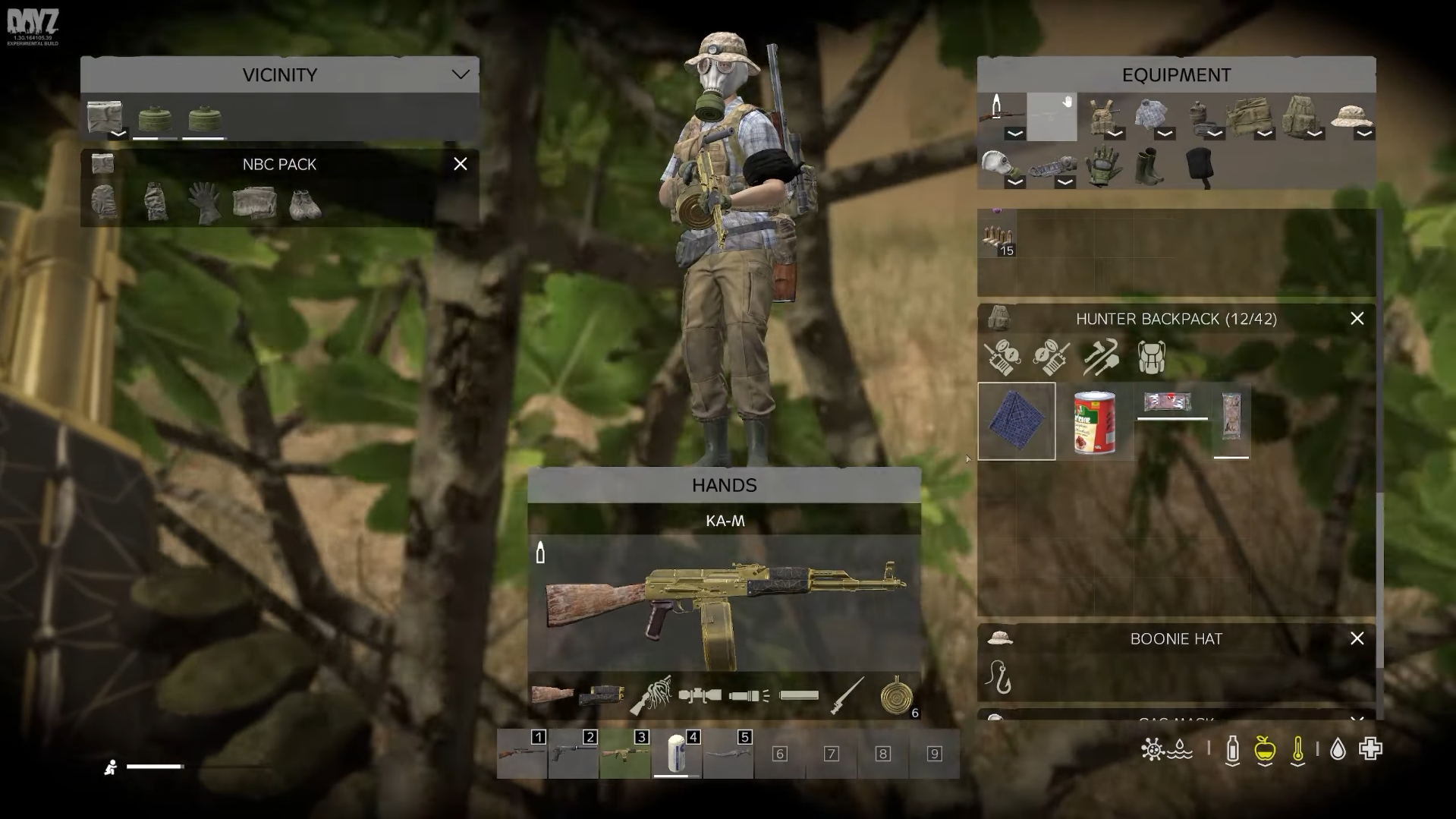
Sandstorms can cause heatstroke and lung disease (silicosis), both new illnesses in the DayZ Badlands environment, if you're exposed unprotected. You need both respiratory and eye coverage:
-
Best option: Gas mask with working filter. Protects eyes and lungs completely.
-
Looted option: Dust mask plus dust goggles or ski goggles. Prevents coughing and eye damage without gear degradation during the storm.
-
Avoid: Bandanas or cloth masks alone. You'll still cough, lose water fast, and take health damage, and dust can cause silicosis.
If you only find a gas mask, remember the filter has limited life. Save it for actual storms, not general travel.
Find Proper Shelter on the Nasdara Map
Not all buildings protect you. Small wooden sheds and outhouses let sand through. You need rigid shelter:
-
Concrete buildings with solid walls
-
Metal shipping containers
-
Enclosed vehicles (trucks, cars with doors)
-
Underground irrigation tunnels
Once inside, remove your gas mask filter to preserve it. Eat, sort loot, and wait. The storm will pass.
Watch for Enemies During Storms
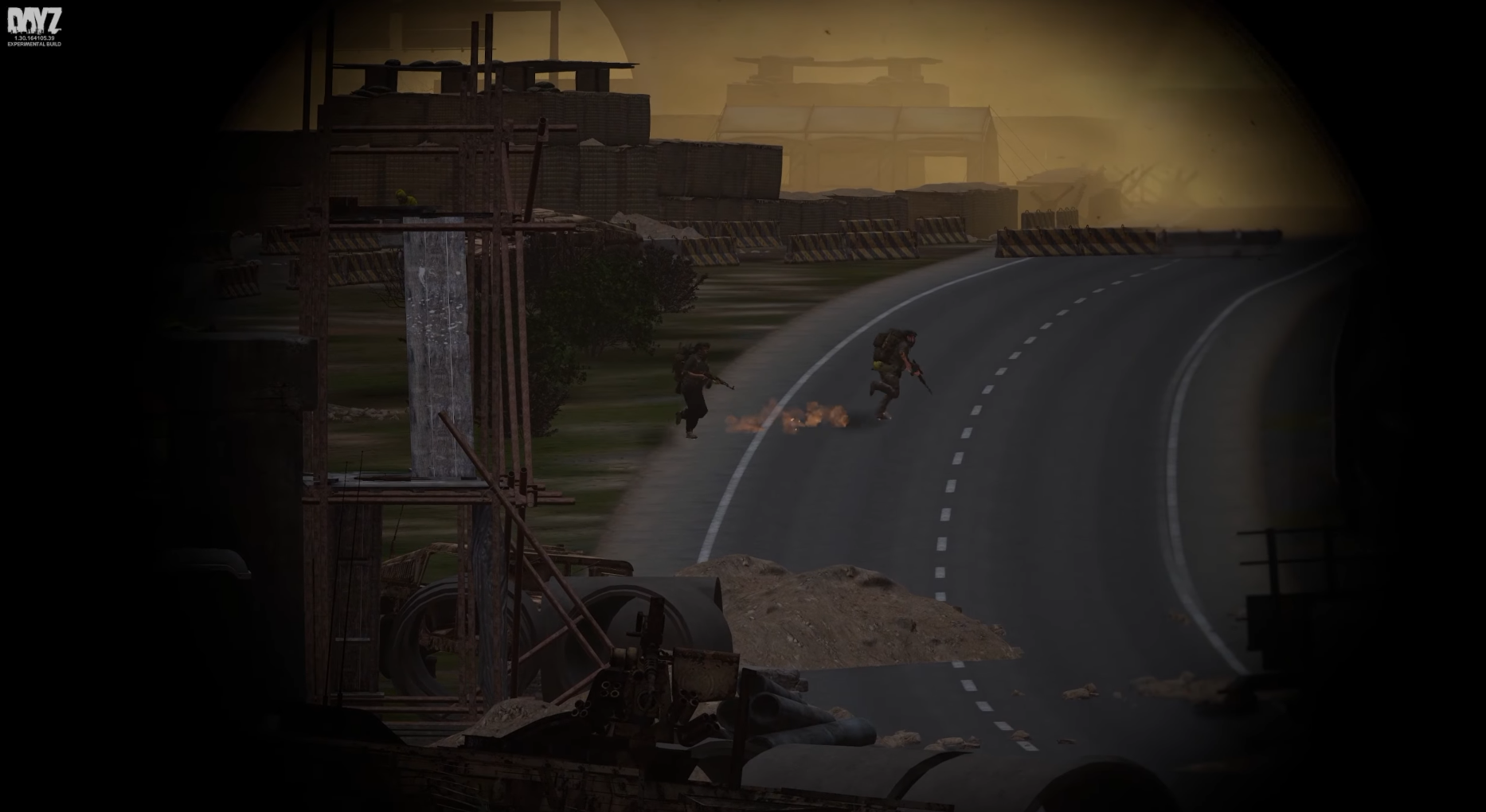
Infected and wild dogs are immune to sandstorm damage. Their vision drops too, but dogs still aggro silently and attack fast. Getting trapped in a small building with a dog pack while you're blind and coughing is a nightmare scenario.
Listen for growls. Keep your melee weapon ready. If you hear dogs, stay near an exit and be prepared to fight or run the moment the storm eases.
Quick Survival Checklist
Before leaving any safe zone, ask yourself:
-
Water full or near full after your search for nearby wells or other sources?
-
Soaked clothing equipped?
-
Light gear for daytime, warm gear packed for night?
-
Food, drinks, and basic tools packed?
-
Core essentials easy to reach, with weapons sorted for quiet use first?
-
Cooking pot or container for face washing?
-
Dust goggles and mask or gas mask in inventory?
-
Map checked for shelter locations along route?
-
Staying out of military zones until basic supplies are secured?
-
Avoiding 11 AM to 3 PM travel if possible?
Final Tips for Beginners
Don't rush: The desert rewards patience. Sprinting across open dunes in midday heat with low water is suicide. Plan shorter legs between shade and verified water sources, and stop to rest when the sun is at its worst.
Mark working wells: When you find a rebuilt well, note the grid. Water is life, and known sources are worth more than any military loot, and rebuilding wells benefits everyone on the server.
Travel in pairs if possible: One person watches for threats while the other manages heat and navigation. For beginners, use terrain like rocks, bushes, riverbeds, or ridgelines for cover when moving between points. Solo survival is harder here than on any other map.
Learn the shadow rhythm: Practice the 30-second shadow hop in safer areas until it feels natural. This skill separates survivors from respawns.
Nasdara wants you dead. The heat, the storms, the dogs, the other players. Every system stacks against you. But with proper hydration, smart travel timing, and the right gear, you can turn the desert from your executioner into your home.