DayZ Badlands Map Guide
Master the Badlands in DayZ with our essential map guide. Navigate the harsh desert terrain and enhance your survival skills.

Shahrukh Sial is a Gaming Content Strategist at Sparked Host. He identifies his own strategic outlines through deep research to cover game guides, tips, and updates that help players improve their skills and enjoy a better gaming experience.
So you just grabbed DayZ Badlands and you're staring at the Nasdara loading screen, wondering what you got yourself into. This DayZ Badlands map guide is a practical overview of Nasdara for players who want to survive and succeed in its brutal desert conditions, especially if you're new to the expansion or still figuring out how it plays.
This desert is nothing like Chernarus, and going in blind is basically asking for a respawn, because heat, scarce water, dangerous travel routes, and new mechanics change the usual DayZ survival loop fast. Let me walk you through what matters most: key locations and loot, environmental hazards, rebuilding structures, the radio bunker, new weapons and vehicles, and the survival tips that will actually keep you alive out here.
What Is DayZ Badlands? (DayZ Badlands Release Date and Overview)
DayZ Badlands is the third major map expansion for DayZ, after Livonia and Frostline. The DayZ Badlands release date is October 15, 2026, when the DayZ Badlands Expansion launched alongside the free Update 1.30. This isn't some small DLC with a couple new guns. This is a whole new world that changes how you play the game.
You get dropped into Nasdara, a fictional desert region in Takistan-inspired territory located west of Chernarus; unlike the more familiar DayZ maps, it leans hard into dry, brutal, unforgiving terrain where the environment itself wants you dead. At 267 square kilometers, it's the largest map so far and a vast new map to explore. To put that in perspective, it's roughly 19% larger than Chernarus and more than three times the size of Sakhal. Yeah, you're gonna be doing a lot of running. The desert-themed environment even includes cacti, and the expansion also brings dynamic weather into the mix.
According to bohemia interactive's website, the expected cost is less than $25 rather than a fixed launch price. It's available on PC through Steam, Xbox One, Xbox Series X and S, and PlayStation through backward compatibility at release. Just remember you need the base game too. This doesn't work standalone.
The Desert Will Kill You (Before Other Players Even Get the Chance)
Heat Is Your Number One Enemy
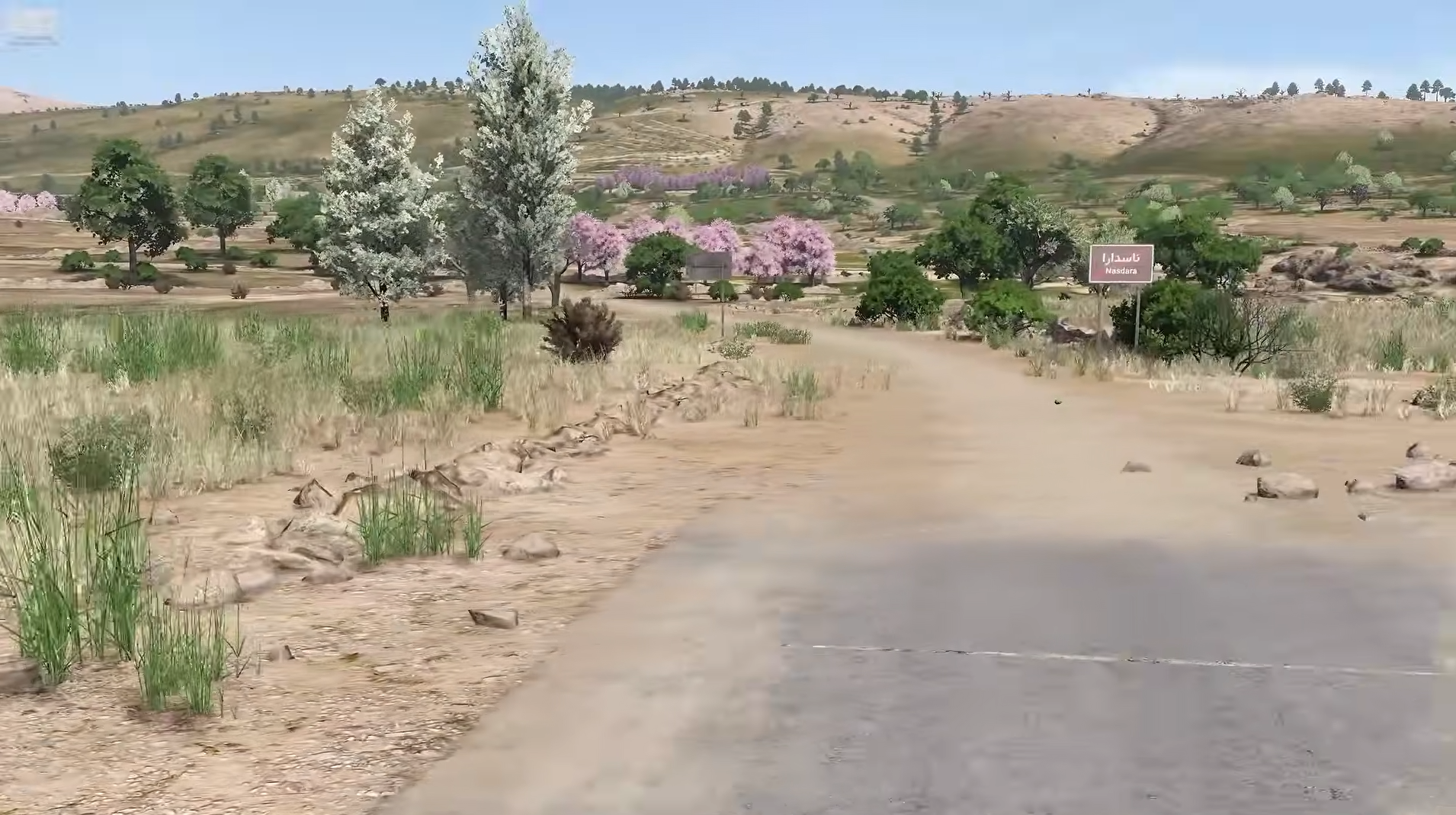
Let's talk about the elephant in the room: the heat. Nasdara isn't just a pretty desert with some sand. The sun here is actively trying to murder you, and the hostile conditions go well beyond simple overheating. Direct sunlight drains your stats and can straight up give you heatstroke if you're not careful. I learned this the hard way when I thought I'd sprint across open dunes in a heavy jacket. Spoiler alert: I didn't make it.
Water Is Everything
Water is your new obsession. Unlike Sakhal, where the original idea was for all the water to be frozen, Nasdara makes every safe source matter and every few drops count. In Chernarus, you could generally find a well or stream when you needed it. In Nasdara? Most wells are broken or completely dry when you find them. There are 12 brick wells scattered across the map, but every single one needs full rebuilding, including the roof, before it gives you clean water. And that standing water in the OKB-754 crater? Sure, you can drink it, but enjoy your cholera. No thanks.
Clothing Matters More Than You Think
Here's the clothing trade-off that took me a while to figure out: lighter garments help you survive the heat but give you way less inventory space. Heavier, insulated gear lets you carry more stuff but traps heat like a sauna. Kameez tunics and Shalwar pants are practical desert clothing, and garments like keffiyehs help with sun and dust while fitting the map's arid spring feel. You'll find yourself swapping outfits between day and night because temperatures drop significantly once the sun goes down. Pack accordingly.
Sandstorms and Cold Nights
Sandstorms are another new environmental hazard that'll ruin your day. They reduce visibility to basically nothing and can knock you unconscious if you don't have proper face protection, and the cold desert nights are another hazard to manage. Dust goggles and face coverings aren't just for looks here. They're survival gear, and keeping hydrated and properly covered is vital.
Pro tip: When a storm hits, palm trees, buildings and even vehicles can provide shade and protection.
Watch Out for Wildlife
Hostile wildlife like snakes and scorpions adds another layer of danger.
The New Map: Where to Go and What to Expect
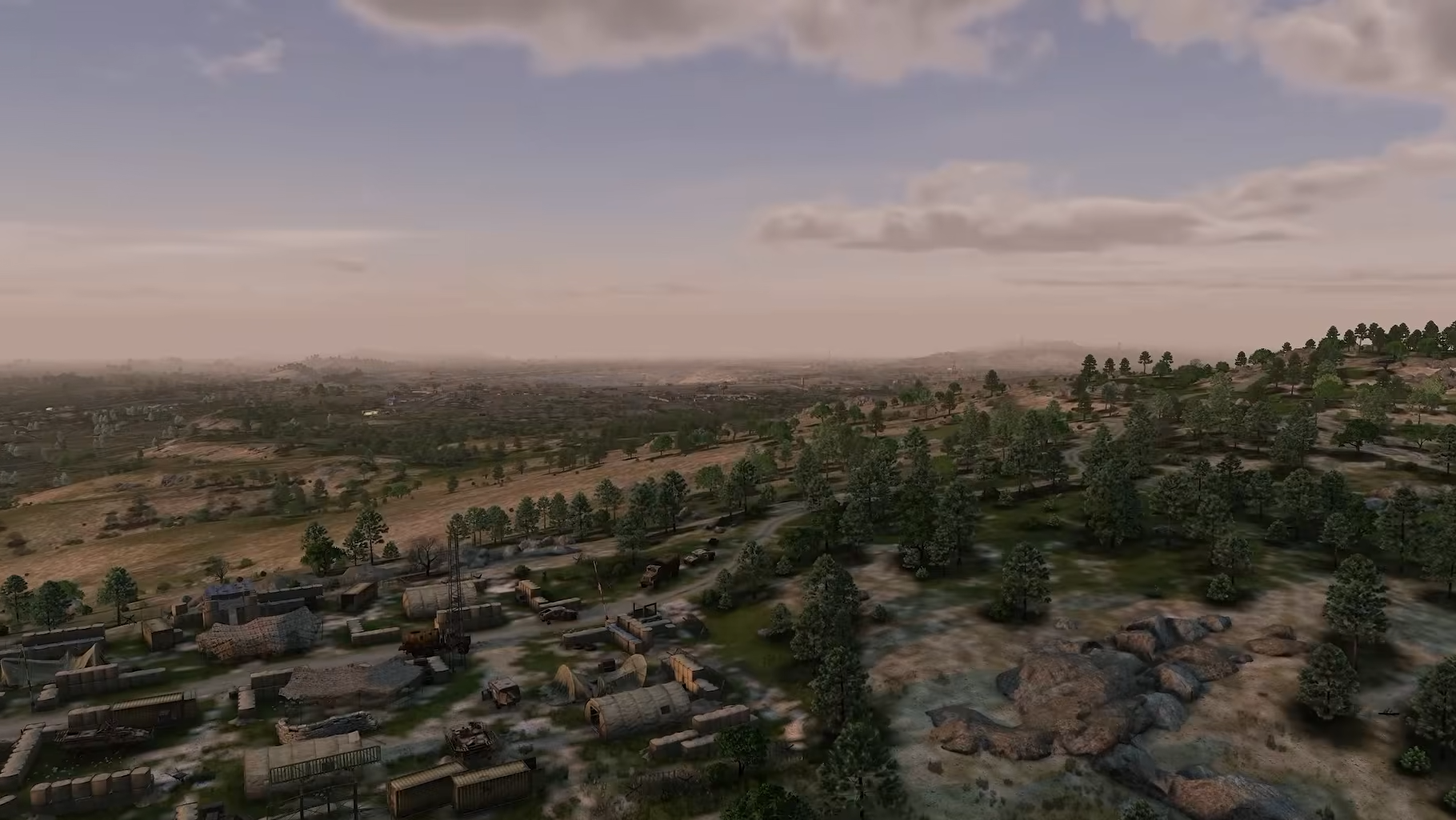
Nasdara is huge, and not all of it is created equal. This region is one of DayZ's most troubled territories, shaped by battle over resources and built to explore, not just tick off as a list of POIs. The terrain ranges from jagged western mountains to sprawling desert plains in the east, abandoned oil fields, and crumbling infrastructure. Here's a breakdown of the major spots you need to know about.
Major Cities and Towns
Nasdara (the capital city, grid 096 123) is the biggest urban area on the map. It's got decent loot but attracts players like flies. If you're looking for a fight, head here. If you want to live, maybe give it some space early on. It's also one of the places where stories and secrets sit behind the obvious loot runs.
Shah Yailaq (grid 103 081) features a palace with basement loot. Less crowded than Dashtabad but still risky. The basement areas can be tricky to navigate, so bring a light source.
Dar-e Ardis (grid 034 114) is a border crossing that sees heavy PvP. The southern tunnel areas around here are basically no-man's land. Great loot if you survive, instant respawn if you don't.
Military Bases and High-Value Loot
Dashtabad (grid 106 055) houses the largest airbase on the map. We're talking 151 military loot spots. This place is a goldmine but also a death trap. Everyone and their grandmother knows about it. Approach with caution, and never go in without an escape plan.
Zulfiqar Missile Base sits in the western mountains with 80 loot spots. More remote than Dashtabad, which means slightly less player traffic. The mountain approach is exposed though, so watch your six.
FOB Atlas is the largest Western base with 63 loot spots. Modern military gear, but expect modern military resistance too.
The Soviet Research Cluster (OKB-754 at grid 069 063) is where things get interesting. There's a water-filled crater here (don't drink it), and the NII-Mirnyy building holds the single most loot spots of any structure on the map. The Soviet-era facilities tell the story of decades of proxy wars as superpowers fought for control of the region's resources, and they're absolutely worth exploring if you can handle the competition.
Industrial and Hazard Areas
The Oil Fields (Sarman-Naft refinery) in the southeast mix burning pits with refinery infrastructure and modern oil drills. Because apparently regular fire wasn't enough, Bohemia made it so the burning oil hurts you. Thanks, guys.
Travel Routes and Navigation
The M12 highways run east-west across the south of the map and connect key areas, including the Dar-e Ardis border crossing. Move quickly between cover in exposed terrain instead of crossing open ground in a straight line. It's a fast travel route but also an ambush paradise. Use it when you need speed, avoid it when you want to live.
Hidden and Historical Sites
Across Nasdara, you'll also run into historical sites and abandoned historical sites mixed in with the better-known military and industrial landmarks. These spots often have less loot but also less player traffic, making them solid choices for beginners who want to gear up quietly.
Rebuilding: Making the Wasteland Your Own
One of the coolest features in Badlands is the rebuilding system, letting survivors rebuild parts of the wasteland as they restore nearly 5,000 structures across the map. We're talking walls, floors, roofs, windows, and doors. You'll need bricks and mortar (and a new trowel tool), plus traditional logs, planks, and metal sheets. Some structures are more ruined than others, requiring more materials but offering better rewards.
Wells and irrigation tunnels can also be rebuilt, creating shared water sources or hidden base entrances, and underground tunnel systems can keep you hidden from enemies and the sun. This is huge for survival because, again, water is everything in Nasdara, which makes wells vital in this desert region. A rebuilt well in a remote location can become the anchor for an entire base.
The system works on a tiered material basis: wood for basic repairs, bricks and mortar for medium structures, and sheet metal for heavy fortifications. The more damaged a building, the more materials you'll need, but the more secure it'll be once restored.
Pro tip from someone who learned the hard way: prioritize roof repairs on wells. A well without a roof is just a hole in the ground.
Radio Signals and Underground Bunkers
This is where things get spooky. Nasdara has Morse code radio signals that lead to underground shelters, offering players some useful insights into how these systems work. You'll need a radio to pick them up, and the decoding process involves capturing, transcribing, and translating the signals. It's not just "follow the marker." You actually have to work for it.
The underground facilities use a new terrain-hole system that lets you actually go beneath the map surface. This tech, according to the developers, is supposedly coming to other maps and modders eventually, but for now it's a Badlands exclusive. Some bunkers are simple shelters with basic loot. Others are elaborate complexes with keypad-locked end-game areas.
Reports from early access suggest some bunkers are gas-filled (bring a gas mask) and that radio signals may be more active at night. The exact locations aren't officially documented, so you'll need to explore to uncover these hidden areas and their secrets. Keep a notebook handy, because you'll want to mark these on your personal map.
New Toys: Weapons, Vehicles, and Gear
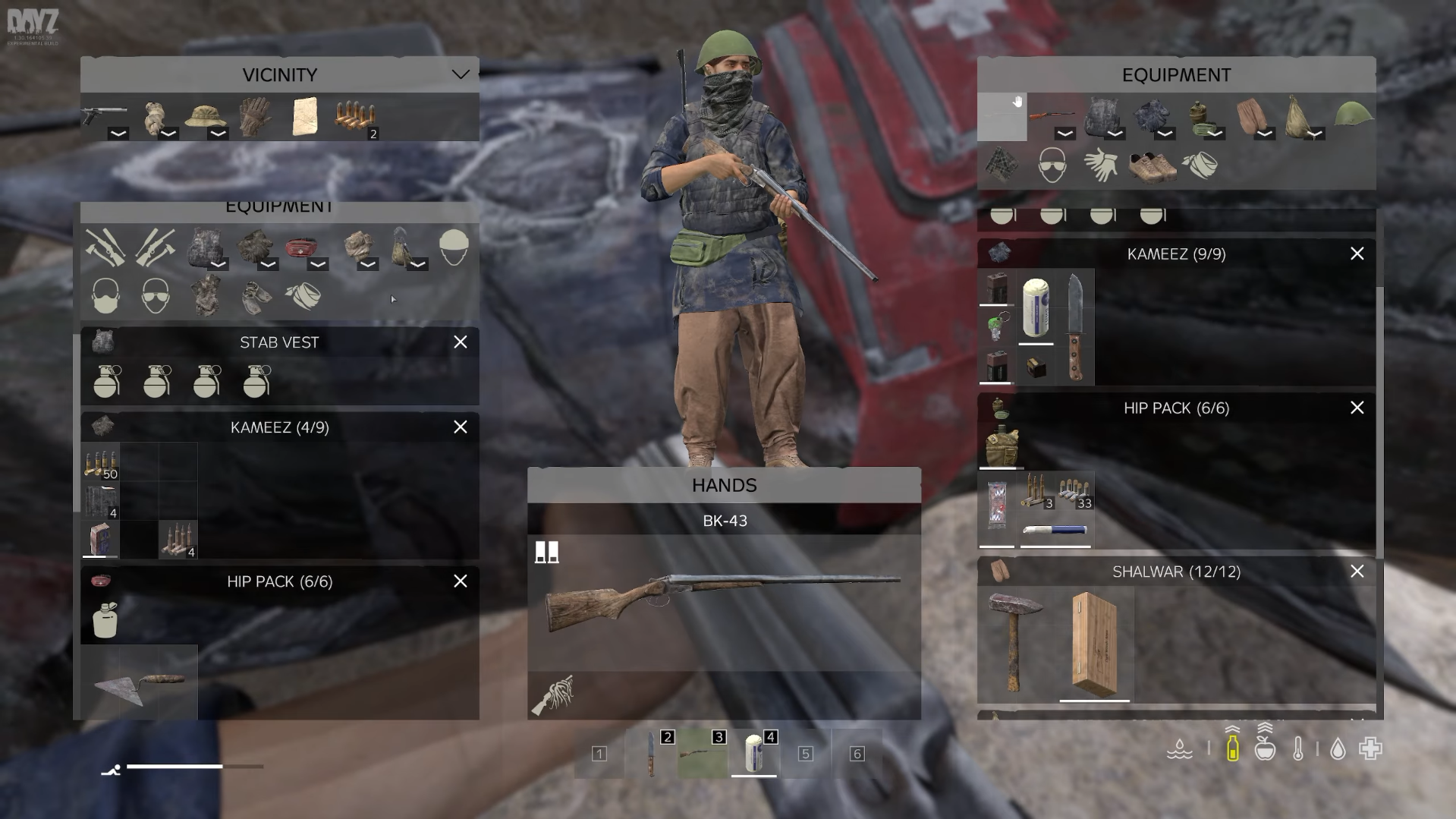
Badlands brings a broad mix of new content, from firearms and melee tools to bikes, consumables, and other practical gear for the desert region. Here's what you need to know as a beginner.
Firearms
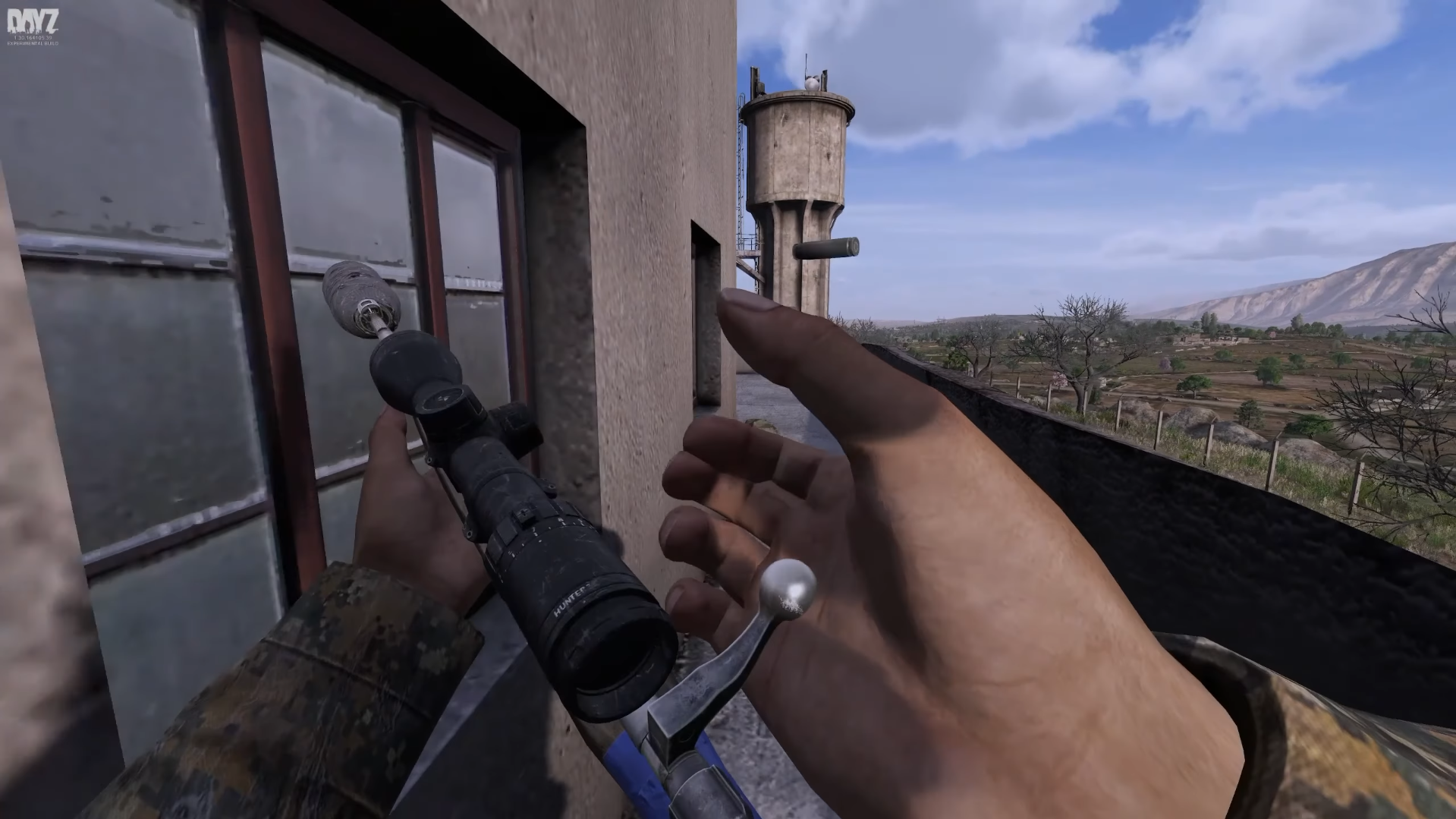
The Lee-Enfield is a bolt-action rifle chambered in 7.62x54mmR with a 10-round detachable magazine. It's a classic design that hits hard but requires manual cycling between shots. Great for mid to long range, but don't bring it to a close-quarters fight.
The MP-18 is a 9mm submachine gun with a unique side-mounted magazine. It takes 8-round stick mags or 32-round drums. Pair it with the Luger P08 (which shares magazines) for a solid German-themed loadout. Perfect for clearing buildings or handling multiple threats up close.
The SCR-16 is one of the new firearms, though details are still emerging on its best use cases. Keep an eye on community testing for where this fits in your loadout.
Golden weapon variants exist for the revolver, sawed-off shotgun, and KA-M, because apparently someone at Bohemia thought regular weapons weren't flashy enough. Still, conserving bullets matters more here than chasing flashy loot.
Melee Weapons
Melee options include the scimitar, jambiya, doner knife, and police baton. The scimitar is particularly nasty in close quarters. Early game, these save you ammo and keep you quiet. Late game, they're backup options when things get personal.
Vehicles
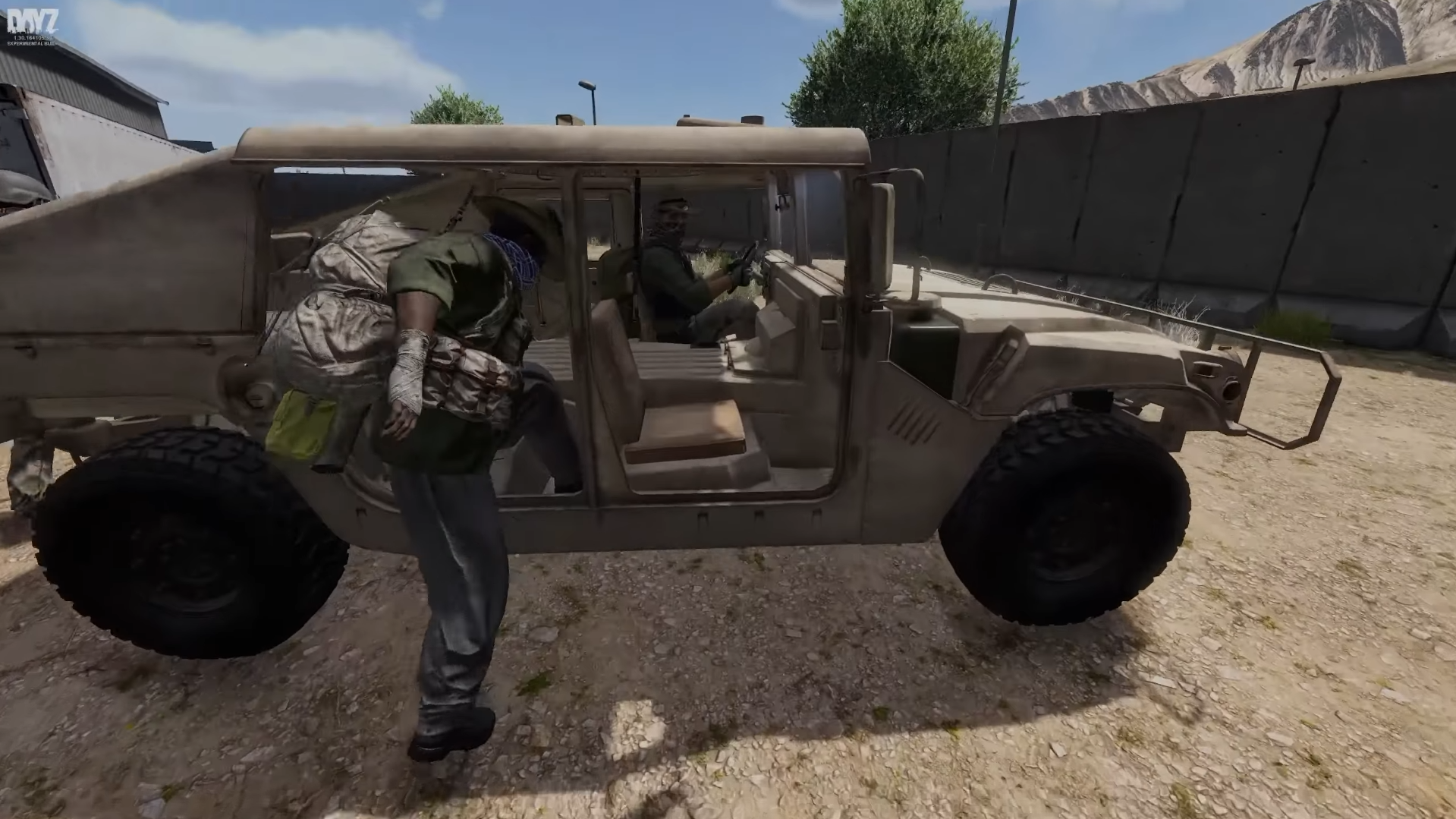
The Jana 50 moped tops out around 70 km/h. It's not fast, but it's fuel-efficient and easy to find. Great for solo runs or quick supply trips.
The Bitrak 682 enduro dirt bike hits about 130 km/h. This thing is an absolute blast across open desert, but the two-wheeled physics mean you'll ragdoll if you hit something wrong. Both bikes can be repaired with a blowtorch, and while they spawn on all maps, they're way more common on Nasdara.
Consumables and Survival Gear
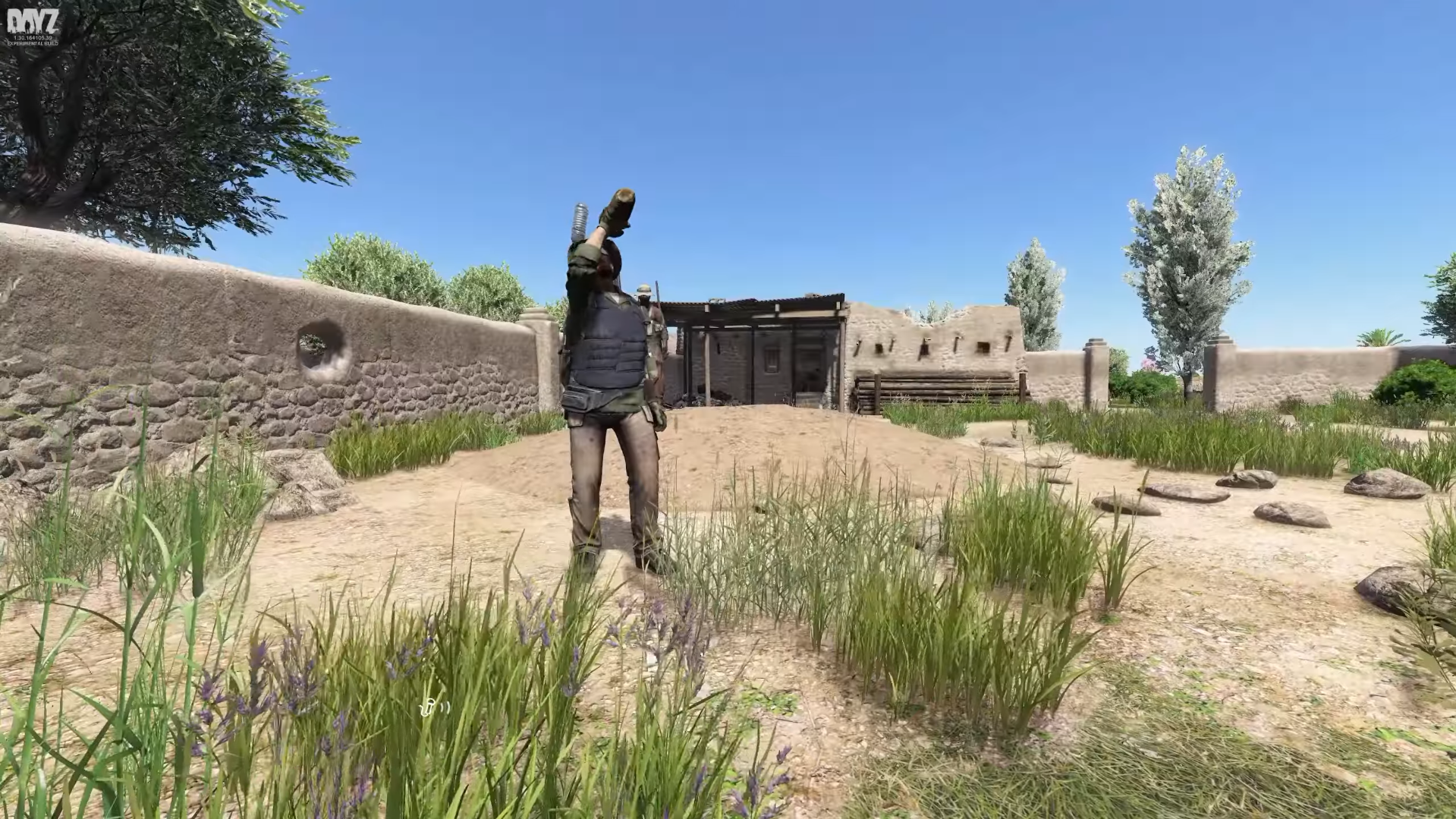
New consumables include regional food and drinks like achar, ayran, canned sarma, figs, halva, jallab, lassi, and pakola. The waterskin is particularly useful for carrying extra water, and region-specific practical items like that fit the setting well. Absolutely essential given Nasdara's scarcity.
New Weapons and Vehicles Comparison:
| Item | Type | Best For | Beginner Friendly? |
|---|---|---|---|
| Lee-Enfield | Bolt-Action Rifle | Mid to long range fights | Yes, if you aim well |
| MP-18 | Submachine Gun | Close quarters, building clears | Yes, easy to control |
| Luger P08 | Pistol | Backup, shares MP-18 mags | Yes |
| SCR-16 | Rifle | Still being tested by community | Wait for guides |
| Scimitar | Melee | Silent kills, saving ammo | Yes, no ammo needed |
| Jana 50 Moped | Vehicle | Solo travel, fuel efficiency | Yes, easy to find |
| Bitrak 682 Dirt Bike | Vehicle | Fast desert crossing | No, easy to crash |
| Waterskin | Survival Gear | Carrying extra water | Essential |
| As a beginner, focus on the Lee-Enfield for reliable long-range damage and the Jana 50 moped for safe travel. The waterskin isn't optional, it's survival, so grab one as soon as you find it. Skip the Bitrak 682 dirt bike until you're comfortable with the terrain, unless you enjoy respawning. |
Survival Tips From Someone Who's Died a Lot
-
Find water first: I cannot stress this enough. Before you loot, before you fight, before you do anything, locate a water source or you will die fast out here. Mark it on your map. Plan your entire route around water and other resources you need to survive.
-
Balance your clothing for the situation: Proper clothing is vital here: use light gear for daytime heat, manage direct sun and dust exposure, then swap to heavier stuff at night when temperatures drop. Keep both options in your pack if you can manage it.
-
Avoid military zones early: The dogs in this game are no joke. Dobermans and German Shepherds roam in packs around military installations, and they will mess you up. You can't tame them, you can't outrun them easily, and they hit hard, and any battle there can quickly turn into a mess with infected or other survivors. Come back when you're geared.
-
Check your code locks: The new code lock system runs on 9V batteries, and when the battery dies, the lock opens automatically. Bohemia hasn't specified exact battery life, so make checking your locks part of your routine. Nothing worse than logging in to find your base raided because of a dead battery.
-
Use the terrain: The desert isn't as flat as it looks. Dry riverbeds, dunes, and ruins provide cover. The open dunes are sniper heaven, so don't just run across them like you're invincible.
-
Plan your routes: The north strip has all 20 spawn points and tier-1 loot, making it great for fresh starts. The western mountains have the best military loot but are dangerous and exposed. The southern highway is fast but ambush-prone. Know where you're going before you go.
-
Night travel has pros and cons: Temperatures drop (good for heat management), visibility is worse (bad for spotting threats), and radio signals may be more active (good for bunker hunting). Weigh these factors based on your current situation.
The Bottom Line
DayZ Badlands isn't just another map. It's a fundamentally different survival experience. The heat, water scarcity, and environmental hazards force you to play smarter, not just harder. The rebuilding system lets you actually impact the world, and the radio bunkers add genuine mystery and exploration. As development progresses through future updates, some details may still evolve before release.
At roughly $24.99, it's a solid expansion that adds hundreds of hours of potential gameplay. The free Update 1.30 brings some features to all players (code locks, motorbikes), but Nasdara itself is worth the price for DayZ fans who want a fresh challenge.
Just remember: pack water, check your locks, and never trust an open dune. See you in the desert, survivor. If you want to follow updates, wishlist DayZ Badlands on Steam or Xbox.