How To Get Mechanical Parts In 7 Days To Die
Learn how to get Mechanical Parts in 7 Days to Die. Discover the best ways to salvage, craft, and loot them for building and repairing essential items.

7 Days to Die is a tough world, and I've learned that a good survivor must be resourceful. I'm always on the lookout for key crafting materials, and one of the most important—and sometimes frustrating—is mechanical parts. You need them for almost anything you want to build, from tools to vehicles.
I've spent countless hours scavenging and have discovered some methods that work much better than simply smashing cars with a stone axe. This is my guide to never being short of mechanical parts.
Why Are Mechanical Parts So Important To Get?
Mechanical parts are a crucial resource in 7 Days to Die, and their importance increases as you advance in the game. You'll find that they are the basis for much of the mid and end-game crafting, and without them, your ability to survive and thrive would be severely limited.
Method 1: Salvaging and Looting
This is the simplest way, and is an important part of my strategy at the beginning of the game. You will find mechanical parts in all sorts of places, but some are better than others.
-
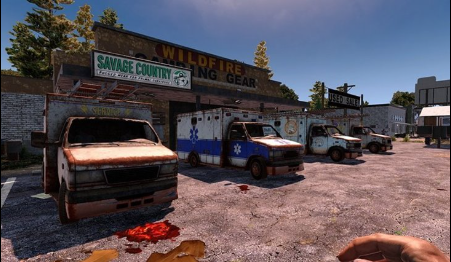
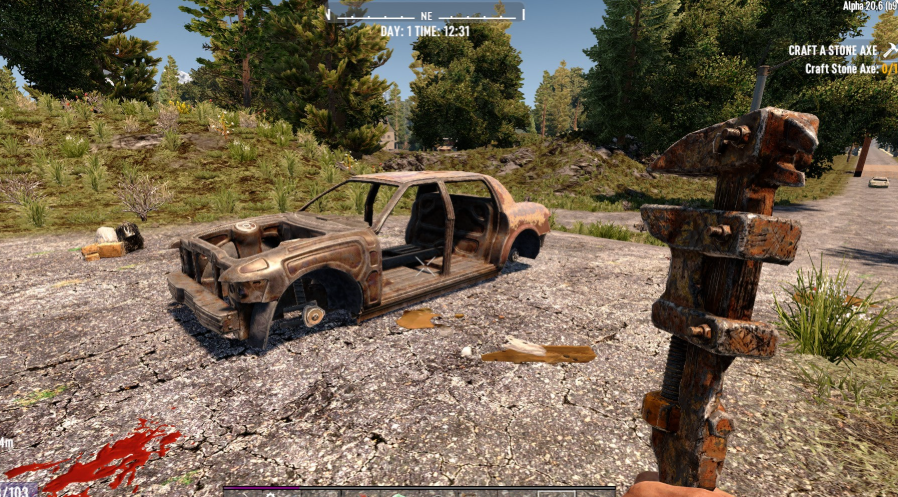
Cars and trucks: This is the most obvious source. Instead of bashing a vehicle, use a wrench or an impact screwdriver to take it apart. The wrench gives you a good amount of parts, but the impact screwdriver is the real MVP: it's fast and gives you a ton of materials.
-
Washing machines and industrial equipment: Don't ignore them. Washing machines and air conditioners are gold mines for mechanical parts. You can find them in laundries, homes, and factories.
-
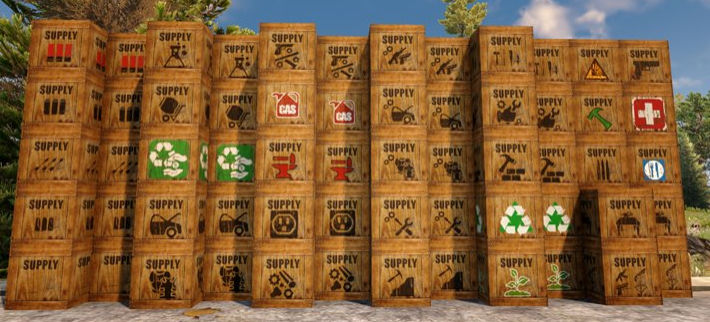
Containers and crates: I always check the large metal containers and industrial crates found on construction sites and loading docks. They usually contain tools and other items that you can scrap for parts.
-
Scrap Metal Scrapping: Almost anything metal can be a source of mechanical parts. Items such as doorknobs, handcuffs, and wrenches can be broken down into parts on a workbench. Before you sell or throw away a pile of scrap metal, take a quick look to see what you can scrap.
-
Smelting: If you have a forge, you can melt tools you don't need - like an old stone axe - to obtain iron. But here's the catch: some objects, like a broken bicycle frame, will also give you mechanical parts when you smelt them. Always check the recipe.
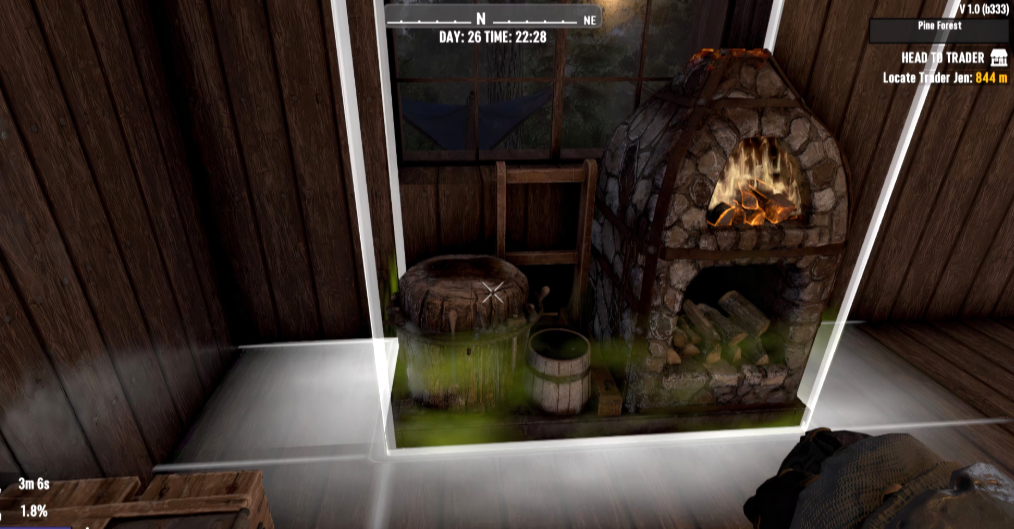
Best Locations To Salvage For Mechanical Parts
The best locations for recovering mechanical parts are usually places with a high concentration of lootable objects containing mechanical components.
-
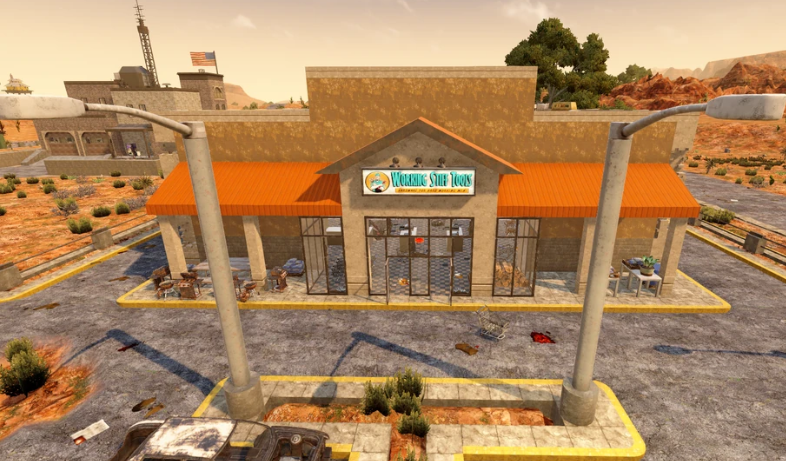
Tools and Hardware Working Stiffs: These are the best places to go. As the name implies, they are full of tools, industrial equipment, and boxes. Look for boxes, a tool rack, and tool boxes from Working Stiffs. They are some of the most reliable sources of mechanical parts, and often contain wrenches and other useful tools.
-
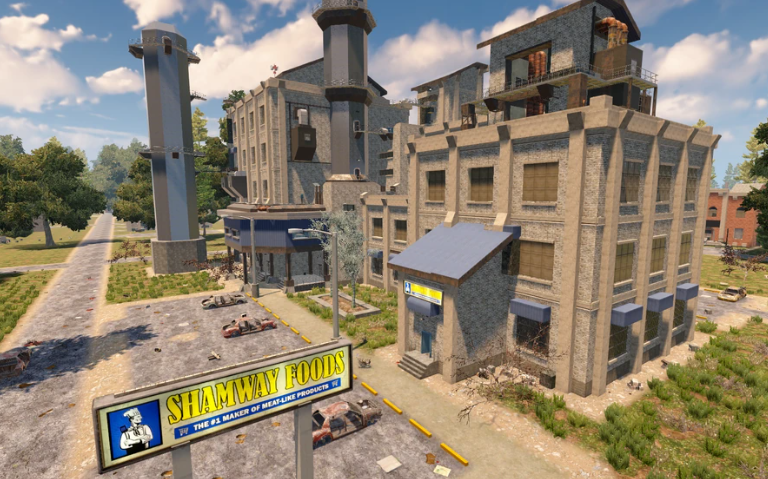
Factories and warehouses: These large industrial buildings are great for scavenging. You'll find a large number of items to dismantle, such as machinery, industrial air conditioners, and large metal shipping containers. They are ideal for a big haul.
-
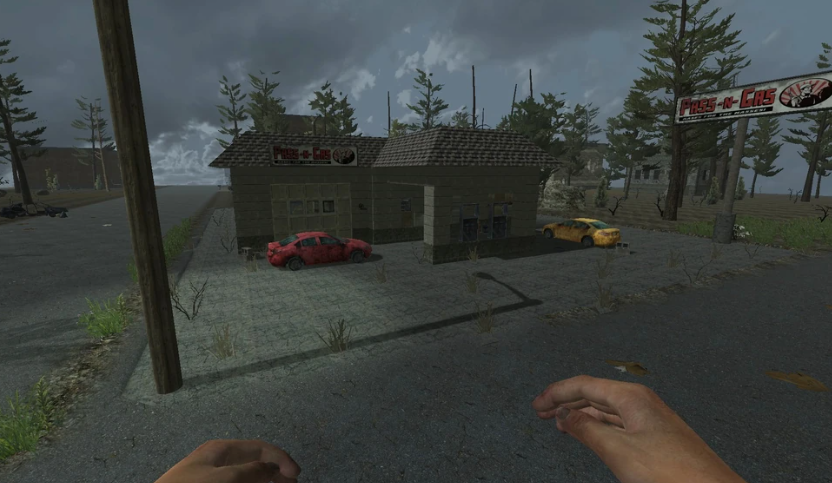
Gas stations and garages: Gas stations, especially those with attached garages, are a prime location. They are usually filled with cars, gas pumps, and tool cabinets. A single gas station can provide a large number of mechanical parts if a wrench is available.
-
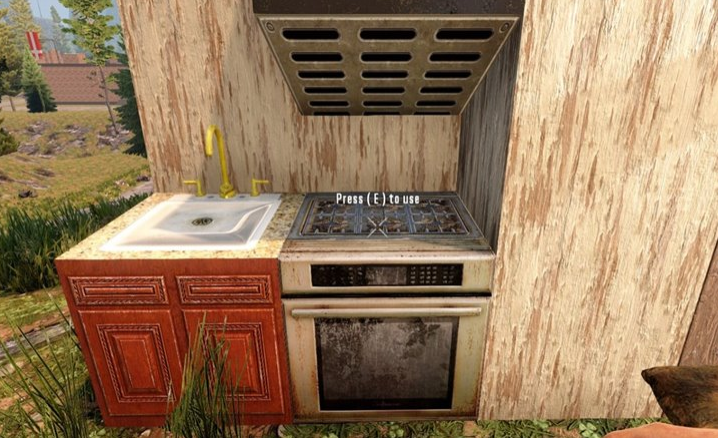
Residential areas (houses and apartments): Although not as lucrative as industrial areas, homes can be a reliable source, especially in the beginning, when you may not have a wrench. Look for refrigerators, ovens, air conditioners, filing cabinets, and office chairs. Kitchen and bathroom sinks are also a good place to find wrenches, which you'll need for more effective recovery.

Best Items To Loot To Salvage For Mechanical Parts
When you're rummaging through the trash, it's easy to get distracted by every shiny thing you see. But if your goal is to find mechanical parts, you have to be efficient and know exactly what to target. Some objects yield much more than others, and a few are real gold mines.
-
Washers and dryers: They are everywhere, from residential homes to laundromats. They are incredibly reliable sources of mechanical parts and other valuable components.
-
Air conditioners: You'll find these on the roofs and sides of many buildings. They are great for quickly and easily sourcing mechanical parts and often produce brass from their radiators.
-
Shopping carts: You'll find them scattered everywhere: in parking lots, outside stores, and sometimes even in homes. They are a quick and easy source of mechanical parts and iron.
-
Sinks and toilets: Although they don't yield a large number of parts, they are very common. A quick wrench on a toilet or sink can get you a few mechanical parts and some iron pipe.
-
Mailboxes and newspaper dispensers: If you are desperate and at the beginning of the game, you don't have a wrench, sometimes you can get a mechanical part by destroying them. However, this is a very inefficient method, and you'd better find a wrench first.
Method 2: Crafting Mechanical Parts
The answer has changed over the different versions of the game. For the most recent versions of 7 Days to Die (Alpha 20 and newer), the ability to craft Mechanical Parts from a simple recipe is no longer a core, built-in feature of the game.
Although you cannot use a recipe to create them from scratch, there are two main ways to "manufacture" them or generate a supply of them, which essentially serve the same purpose as a manufacturing recipe:
-
Scrapping/dismantling of looted objects: This is the most reliable and well-thought-out method. Instead of building mechanical parts, you get them by breaking down other objects. The best items for this are those found through scavenging, such as:
-
Office Chairs
-
Washing Machines and Dryers
-
Sinks and Toilets
-
Cars and Trucks
-
-
Using Mods (Not Part of the Base Game): If you are playing on a server or with a mod pack, you may find that the ability to craft mechanical parts has been added back in by the mod creator.
Note: In the vanilla, un-modded version of 7 Days to Die, there is no official crafting recipe for mechanical parts. The developers have made it a resource you must actively acquire by salvaging the world around you, reinforcing the game's core theme of survival and resourcefulness in a post-apocalyptic setting.
Mechanical Parts Crafting Recipe
In the current, un-modded version of 7 Days to Die (Alpha 21 and newer), there is no direct crafting recipe for Mechanical Parts.
The developers of the game intentionally removed the ability to craft them from basic materials like forged iron or duct tape. This was done to reinforce the game's survival theme, making players rely on a different kind of "crafting"—the act of salvaging and dismantling existing objects in the game world.
The most effective way to "craft" or generate a supply of mechanical parts is by using a wrench to dismantle specific items you find while scavenging. This is the core mechanic for acquiring them.
-
You must find a wrench first. This is the critical first step. You'll often find wrenches in sinks, toolboxes, or hardware stores.
-
Once you have a wrench, you can use it to dismantle items that contain mechanical parts. This is your primary "recipe" for mass-producing them.
Note: If you're playing with mods, you may find that the ability to craft mechanical parts has been added back in by the mod's creator. These recipes vary, but they often require resources like forged iron, oil, and scrap polymer. However, this is not part of the standard, un-modded game experience.
What Can You Craft With Mechanical Parts In 7 Days To Die?
Mechanical parts are one of the most important resources in 7 Days to Die, as they are used to manufacture a variety of items essential for medium and long-term survival. Without them, your ability to build, travel, and defend yourself would be severely limited.
Here is a breakdown of the main items you can make with mechanical parts:
-
Workbench: This is a top priority. A workbench is necessary for manufacturing a large number of items, such as advanced tools, weapons, and vehicle parts.
-
Concrete mixer: It is essential for base construction. The concrete mixer allows you to create a concrete mix, which is the strongest and most durable building material in the game, perfect for reinforcing your defenses.
-
Bicycle: The most basic vehicle, but a great improvement over walking. Requires a few mechanical parts for the frame and handlebars.
-
Minimoto and motorcycle: They provide much faster travel and are ideal for longer trips. Their chassis and handlebars are made with a considerable number of mechanical parts.
-
Blade trap: A powerful spinning trap that shreds zombies. Requires mechanical parts, forged steel, and oil.
-
Metal Doors, Hatches, and Safes: Many of the strongest doors and secure storage containers in the game use mechanical parts in their recipes.
Conclusion
Mastering the art of acquiring mechanical parts in 7 Days to Die is a critical step toward survival and long-term success. While it may seem like a simple scavenging task at first, the real key is to approach it with a strategic mindset. By prioritizing the use of a wrench or impact driver on high-value items such as vehicles and industrial appliances, you turn a slow and unreliable process into an efficient and repeatable operation.
Remember that mechanical parts are more than just crafting materials; they are a direct path to unlocking the game's full potential. With them, you'll be able to build the sturdiest bases, craft the most powerful tools, and escape danger at the speed of a vehicle. So, when you enter the zombie-infested wasteland, keep an eye out for that rusty old car or that lonely washing machine.