How To Get Clay In 7 Days To Die
Learn how to get clay in 7 Days to Die. Find clay soil, dig it efficiently, and use it for crafting essentials like forge recipes and building materials.

In 7 Days to Die, "Clay" is a vital, processed crafting material used for a wide range of mid-to-late-game recipes. It is an essential component for surviving the zombie apocalypse and advancing your base.
It's important to distinguish between the two forms:
-
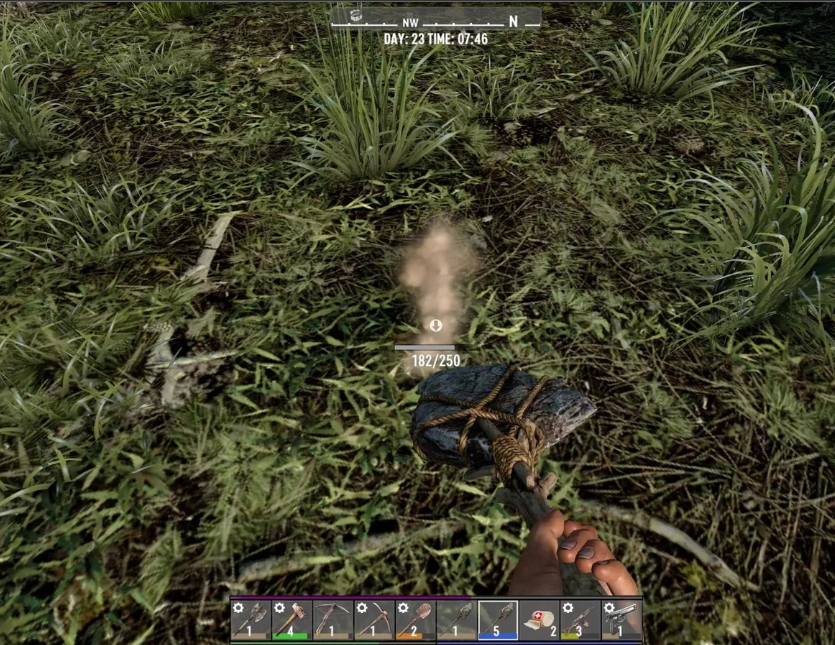
Clay Soil (or "Raw Clay"): This is the basic, raw resource that you find and collect in the world. It appears to be a slightly brownish-red dirt block. You get it by digging into the ground, primarily with a shovel.
-
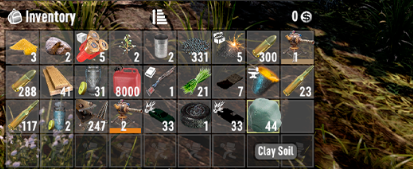
Clay (Smelted Clay): This is the usable material. You can't carry it in your inventory. Instead, it is a resource that is stored inside a Forge. You create it by smelting Clay Soil in the Forge, where it becomes a fundamental ingredient for many recipes.
Why is Clay so Important?
Clay is a foundational resource because it is required for some of the most critical recipes in the game, including:
-
Forged Iron & Forged Steel: These are the strongest metal materials in the game, used for high-tier tools, weapons, armor, and base upgrades. You cannot make them without a steady supply of clay.
-
Bullet Casings: A crucial component for crafting all types of ammunition.
-
Bullet Tips: Used for creating higher-tier, armor-piercing ammunition.
-
Farm Plots: Clay Soil is a key ingredient for crafting the Farm Plot item, which is essential for a sustainable food source.
-
The Forge Itself: You need a significant amount of Clay Soil to craft the Forge in the first place, establishing its importance from the very beginning.
Step 1: Craft Or Find A Shovel
Crafting or finding a shovel is a key first step for any player who wants to gather clay, as well as many other essential resources like sand and gravel. While you can technically dig with your bare hands, it is extremely inefficient and will not yield significant results.
Crafting A Shovel
Crafting a shovel is a fundamental step for any player in 7 Days to Die, as it's the primary tool for gathering essential resources like clay, sand, gravel, and snow. The process and required materials differ based on the type of shovel you want to craft.
-
Stone Shovel (Early Game): This is the most basic and easily accessible shovel in the game. You can craft it from the very start without needing a workbench or any special skills.
-
Recipe:
-
2 Wood
-
3 Small Stones
-
-
How to Craft: Open your character's crafting menu (default key is 'Tab' on PC), search for "Stone Shovel," and craft it. It's a quick and simple process that will give you a tool for basic digging needs.
-
-
Iron Shovel (Mid-Game): The Iron Shovel is a significant upgrade from the Stone Shovel. It's more durable and digs much faster, making it an excellent choice for when you start gathering large amounts of resources. This requires you to have a Workbench.
-
Recipe:
-
30 Forged Iron
-
20 Wood
-
40 Duct Tape
-
-
How to Craft: To unlock this recipe, you must find and read a certain number of Advanced Engineering magazines. Once you have the necessary magazines and a workbench, you can craft the Iron Shovel in the crafting menu.
-
-
Steel Shovel (Late Game): The Steel Shovel is the best manual digging tool in the game. It is incredibly fast and durable, perfect for large-scale mining operations or terraforming.
-
Recipe:
-
50 Forged Steel
-
50 Wood
-
100 Duct Tape
-
-
How to Craft: Like the Iron Shovel, this recipe is unlocked by reading a series of Advanced Engineering magazines. You'll also need a Workbench to craft it, and a large supply of hard-to-find Forged Steel.
-
A Few Important Notes on Crafting:
-
Looting Magazines: The crafting system in recent versions of 7 Days to Die is heavily reliant on finding and reading magazines. To get better tool recipes, you need to find the Advanced Engineering magazines.
-
Skills: While you need magazines to unlock recipes, investing in the Miner 69'er perk in the Strength skill tree will increase your chance of finding these magazines, making it a good investment for any dedicated miner.
-
Tool Quality: The quality of the shovel you craft depends on your skill level and the number of magazines you've read. Higher-quality tools have better stats, more durability, and more mod slots.
Best Places To Find A Shovel In 7D2T
While crafting a shovel is the most reliable way to get one, you can also find them by looting. This can be a great way to skip the crafting grind and get a higher-tier shovel early in the game. Here are the best places to look for a shovel in 7 Days to Die:
-
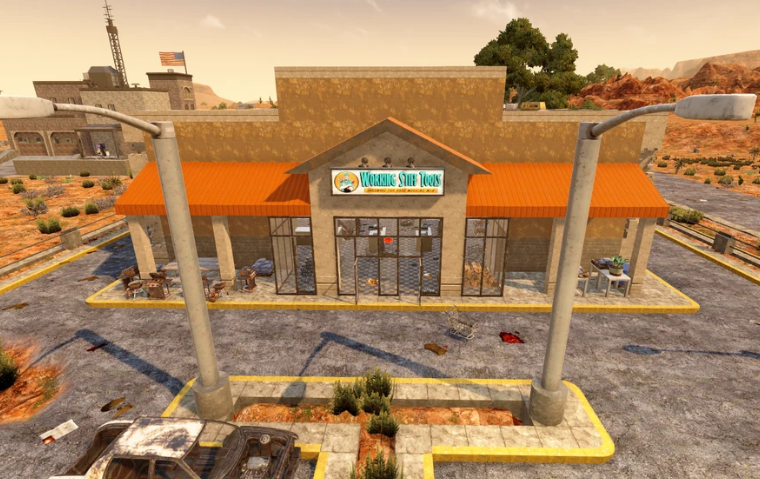
Working Stiffs Tools & Hardware: This is the most reliable location for finding shovels and other tools. The Working Stiffs stores (recognizable by their distinct red and white logo) are dedicated to construction and mining equipment.
-
Loot: Look on the shelves, tool racks, and in any toolboxes or crates scattered around the store.
-
-
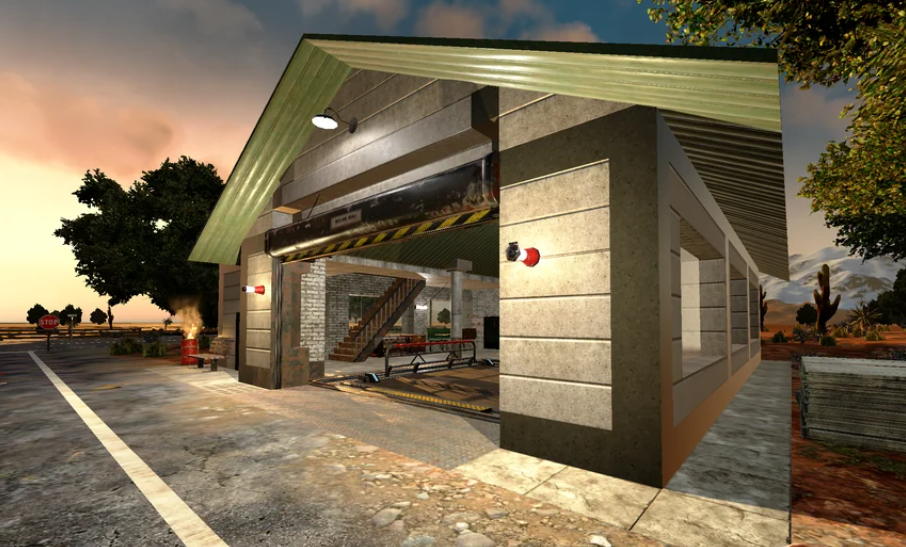
Garages and Tool Sheds: Many residential and industrial buildings have garages or small tool sheds that are great for finding tools.
-
Loot: Check toolboxes, crates, and storage containers. You can also find shovels simply lying on the ground or propped up against a wall.
-
-
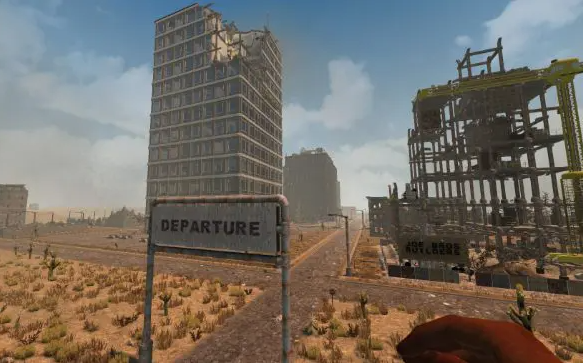
Construction Sites and Abandoned Sites: These locations often have a variety of tools, including shovels, picks, and axes.
-
Loot: Look for construction vehicles, tool chests, and supply piles.
-
-
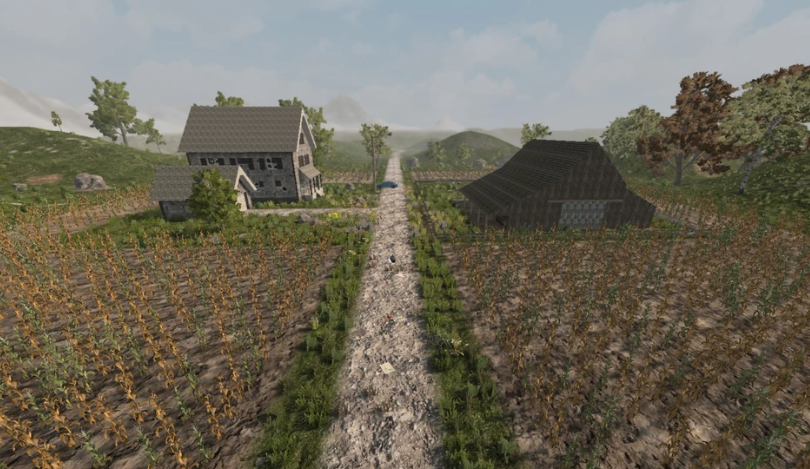
Farms and Barns: Farms and barns are good places to find various tools used for agriculture and manual labor.
-
Loot: Check barns, sheds, and farmhouses. You might find a shovel near a pile of hay or in a storage room.
-
-
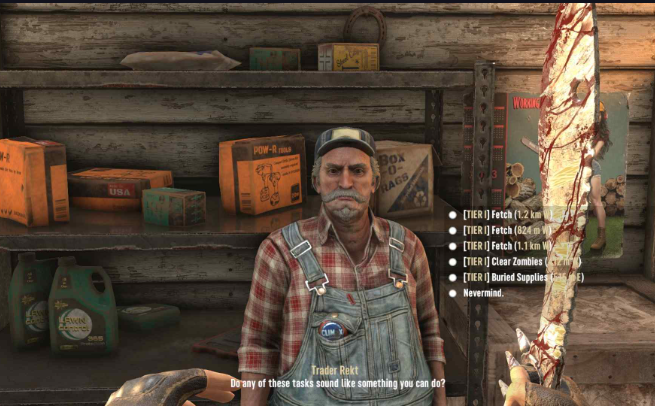
Traders: Traders can sometimes sell shovels, particularly if they have invested in the Bartering skill. They are an excellent source for higher-quality iron or steel shovels, especially if you have a lot of Duke's Casino Tokens to spend.
-
Loot: Check the trader's inventory every time you visit. The items they sell change daily.
-
Step 2: Get Clay Soil By Digging In The Ground
Once you have your shovel, the next step is to get the raw material: Clay Soil. Unlike other resources, Clay Soil is not found in specific ore veins. It is a very common resource found just about everywhere.
Where to Dig for Clay Soil
-
Look for Green Grass: The most reliable place to find large amounts of Clay Soil is in the Pine Forest biome. Simply dig through the grassy top layer, and you'll find plenty of clay soil underneath. This is the most efficient way to gather it in the early game.
-
The Desert Biome: This biome is a good alternative. When you dig, you'll find a mix of sand and clay soil.
-
Underneath Other Blocks: You can find clay soil underneath a variety of blocks, including dirt, grass, and even some decorative blocks like potted plants. If you're near a point of interest, you can often dig up the ground to get some clay.
-
Avoid Roads: Don't waste your time digging on roads, as they will only yield gravel and stones, not clay.
How to Dig Efficiently
-
Use a Shovel: As mentioned before, a shovel is the best tool for the job. A stone shovel is fine for starting, but as soon as you can, upgrade to an iron or steel shovel for much faster and more efficient gathering.
-
Perks and Skills: To maximize your clay yield, consider investing points in the Miner 69'er and Mother Lode perks in the Strength skill tree. These perks will increase the amount of resources you get from each block you destroy.
-
Dig a Pit or Trench: A common strategy is to simply start digging a large pit or a long trench. This is a great activity to do during the day when you're not out looting or during the night when you're safe in your base, as digging makes a lot of noise that can attract zombies.
-
Buried Supplies Quests: These quests require you to dig at a specific location to find a buried crate. This is an excellent way to get a lot of clay while also completing a quest for rewards.
Step 3: Make Clay
Once you've gathered a good amount of Clay Soil, the next and final step is to process it into usable Clay. This is a crucial step because you can't use Clay Soil directly for many of the most important recipes.
The Key Tool: The Forge
The only way to turn Clay Soil into Clay is by smelting it in a Forge. This is a vital crafting station for all metalworking and advanced material creation in the game.
If you don't have a forge yet, you'll need to craft one. The recipe for a basic forge requires:
-
50 Small Stones
-
50 Clay Soil
-
1 Bellows
-
1 Short Iron Pipe
-
1 Leather
How to Smelt Clay Soil into Clay
-
Place and Fuel the Forge: Place your newly crafted Forge in your base. To run it, you'll need fuel. Add fuel sources like Wood or Coal into the fuel slot on the right-hand side of the forge menu.
-
Add Clay Soil to the Smelting Slot: Next, open the forge and drag your Clay Soil from your inventory into the Smelting slot. This is where all raw materials are placed to be processed.
-
Turn On the Forge: Once you have fuel and a material in the smelting slot, press the "Turn On" button. The forge will begin to heat up, and you'll see a progress bar for the smelting process.
-
Wait for the Clay to Accumulate: The forge will process the Clay Soil. The resulting "Clay" will not go into your inventory. Instead, it is stored inside the forge itself. You will see the amount of Clay accumulate in the lower-right section of the forge's menu, alongside other materials like iron, lead, and brass.
Best Places To Find Clay In 7 Days To Die
Getting clay in 7 Days to Die is a crucial step for your survival and progression, as it's needed for everything from farm plots to forged steel. Unlike other resources that are found in ore veins, Clay Soil is found by digging almost anywhere in the world.
However, certain biomes and strategies are more efficient than others for gathering a large amount of clay.
-
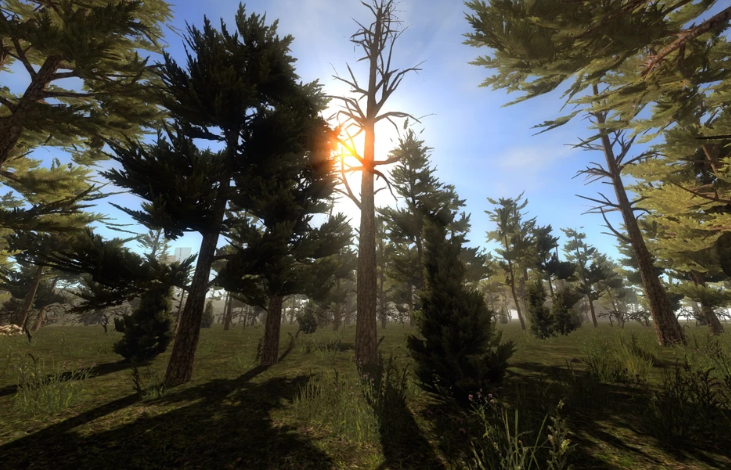
The Pine Forest Biome: This is the most reliable and safest biome for gathering clay in the early game.
-
How to Find It: The Pine Forest biome is the standard, green, grassy biome in the game.
-
Why It's Good: The top layer of the ground in this biome is primarily Clay Soil. Simply dig a few blocks down with your shovel, and you'll hit a large amount of clay. It's a great place to dig large pits or trenches.
-
-
The Snow Biome: The snow biome can be another good source for clay, though it requires a bit more effort.
-
How to Find It: Look for the white, snowy areas on your map.
-
Why It's Good: Underneath the top layer of snow, you will find a dense layer of Clay Soil. This can be a very efficient way to farm clay, especially if you have a high-quality shovel.

-
-
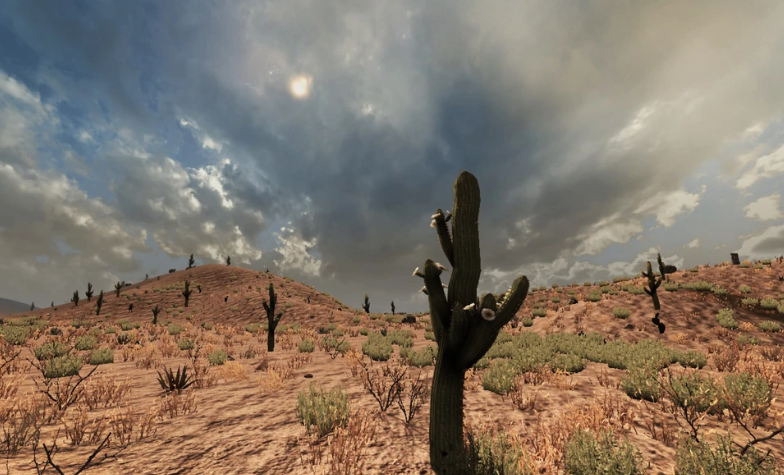
The Desert Biome: The desert biome is also a viable option, but you'll get a mix of resources.
-
How to Find It: Look for the orange, sandy areas on your map.
-
Why It's Good: When you dig in the desert, you'll find a mix of sand and Clay Soil, which can be useful if you also need sand for concrete or other recipes.
-
List Of Clay Recipes In 7 Days To Die
Clay is a fundamental resource in 7 Days to Die, essential for crafting a wide range of items, from basic building materials to high-tier armor and ammunition. It's important to remember that most of the key recipes require smelted Clay (the resource stored in the forge), not the raw Clay Soil you dig up.
Here is a list of some of the most important recipes that use clay or clay soil:
Early Game Recipes (Using Clay Soil)
These recipes can be crafted directly from your inventory or a workbench using the raw Clay Soil.
-
Forge: You need 50 Clay Soil (along with other materials) to craft the Forge itself, which is a required station for smelting clay and other metals.
-
Cobblestone Rocks: This is a basic building block that requires 1 Small Stone and 1 Clay Soil. These are used to create stronger walls and can be upgraded.
-
Farm Plots: Essential for setting up a sustainable food source, farm plots require 100 Clay Soil along with other ingredients.
-
Mushroom Spore Seeds: This recipe uses 5 Mushrooms and 2 Clay Soil, making it easy to create a secure, underground mushroom farm.
-
Potted Plants: A decorative item that requires 4 Plant Fibers and 8 Clay Soil.
Forge Recipes (Using Smelted Clay)
These recipes require you to first smelt Clay Soil in the Forge. The "Clay" resource is then used automatically from the forge's inventory when you craft the item.
-
Forged Iron & Forged Steel: These are the most critical recipes. Forged Iron (made from 10 Iron and 5 Clay) and Forged Steel (made from 20 Iron and 10 Clay) are the strongest materials in the game, used for tools, weapons, armor, and base upgrades.
-
Bullet Casings & Bullet Tips: Clay is a key component for crafting ammunition. Bullet casings and tips require clay and are essential for any player who relies on firearms.
-
Anvil: The Anvil is a crucial upgrade for your forge, allowing you to craft more advanced items. It requires a significant amount of iron and clay to make.
-
Glass Blocks & Bulletproof Glass: Clay is used to create both standard glass blocks and the much more durable bulletproof glass, which is vital for late-game base defenses.
-
Cooking Pots & Grills: These cooking tools can be crafted in the forge using iron and clay, allowing you to cook a wider variety of food.
-
Nails: A simple but important recipe, nails are used in many different crafting recipes and can be made from iron and clay.
-
Crucible: This is a late-game forge upgrade that allows you to smelt lead and make forged steel. It requires a lot of clay.
Ammo & Components
-
Buckshot – 3 Lead, 1 Clay Soil
-
Bullet Tip – 2 Lead, 1 Clay Soil
-
Bullet Casing – 5 Brass, 1 Clay Soil
-
Shotgun Breaching Slug – 3 Forged Steel, 4 Gun Powder, 1 Scrap Polymers, 2 Clay Soil
-
Rocket Tip – 50 Lead, 30 Clay Soil
-
Rocket Casing – 50 Iron, 30 Clay Soil
Metalwork & Forging
-
Forged Iron – 10 Iron, 5 Clay Soil
-
StonesForged Steel – 20 Iron, 10 Clay Soil
-
Iron Dart – 3 Iron, 1 Clay Soil
-
Iron Arrowhead – 2 Iron, 1 Clay Soil
-
Steel Arrowhead – 5 Iron, 1 Clay Soil
-
Short Iron Pipe – 10 Iron, 5 Clay Soil
-
Nails – 1 Iron, 1 Clay Soil
-
Anvil – 1,000 Iron, 100 Clay Soil
-
Crucible – 100 Forged Iron, 20 Mechanical Parts, 1,200 Small Stones, 20 Oil, 900 Clay Soil
Construction & Structures
-
Cobblestone Rocks – 1 Small Stone, 1 Clay Soil
-
Iron Bars – 100 Iron, 20 Clay Soil
-
Wrought Iron Fence – 15 Iron, 1 Clay Soil
-
Farm Plot – 4 Wood, 10 Rotting Flesh, 25 Nitrate Powder, 100 Clay Soil
-
Potted Plant – 4 Plant Fibers, 8 Clay Soil
Glass & Windows
-
Glass Block – 14 Crushed Sand, 5 Lead, 2 Clay Soil
-
Industrial Glass Centered – 14 Crushed Sand, 5 Lead, 2 Clay Soil
-
Industrial Glass 2 Centered – 14 Crushed Sand, 5 Lead, 2 Clay Soil
-
Bulletproof Glass – 110 Crushed Sand, 40 Lead, 20 Iron, 20 Clay Soil, 10 Small Stone
Cooking & Food
-
Cooking Pot – 25 Iron, 5 Clay Soil
-
Cooking Grill – 25 Iron, 5 Clay Soil
-
Mushroom Spore Seed – 5 Mushrooms, 2 Clay Soil
Conclusion
In 7 Days to Die, mastering the process of obtaining clay is a crucial turning point in your survival journey. It represents the transition from a basic scavenger to a self-sufficient builder and crafter.
The process is simple: find it, dig it, and smelt it. By crafting or finding a shovel and digging in the right biomes (especially the Pine Forest), you can gather an abundant supply of Clay Soil. From there, use your forge to process it into the vital Clay resource.