How to Stack Wheat Plantations in Palworld
Master the art of stacking wheat in Palworld with this step-by-step guide. Boost your farming efficiency today—read the article now!

Shahrukh Sial is a Gaming Content Strategist at Sparked Host. He identifies his own strategic outlines through deep research to cover game guides, tips, and updates that help players improve their skills and enjoy a better gaming experience.
Stacking Wheat Plantations is an advanced building technique in Palworld that allows players to maximize farming efficiency by placing multiple plantation structures in vertical tiers.
This guide is aimed at mid‑level players who have already unlocked farming technology and want to push their base productivity further.
The goal is to teach you how to stack plantations step‑by‑step, explain the clipping method, and share best practices for managing Pals in a stacked farm layout.
Quick Overview
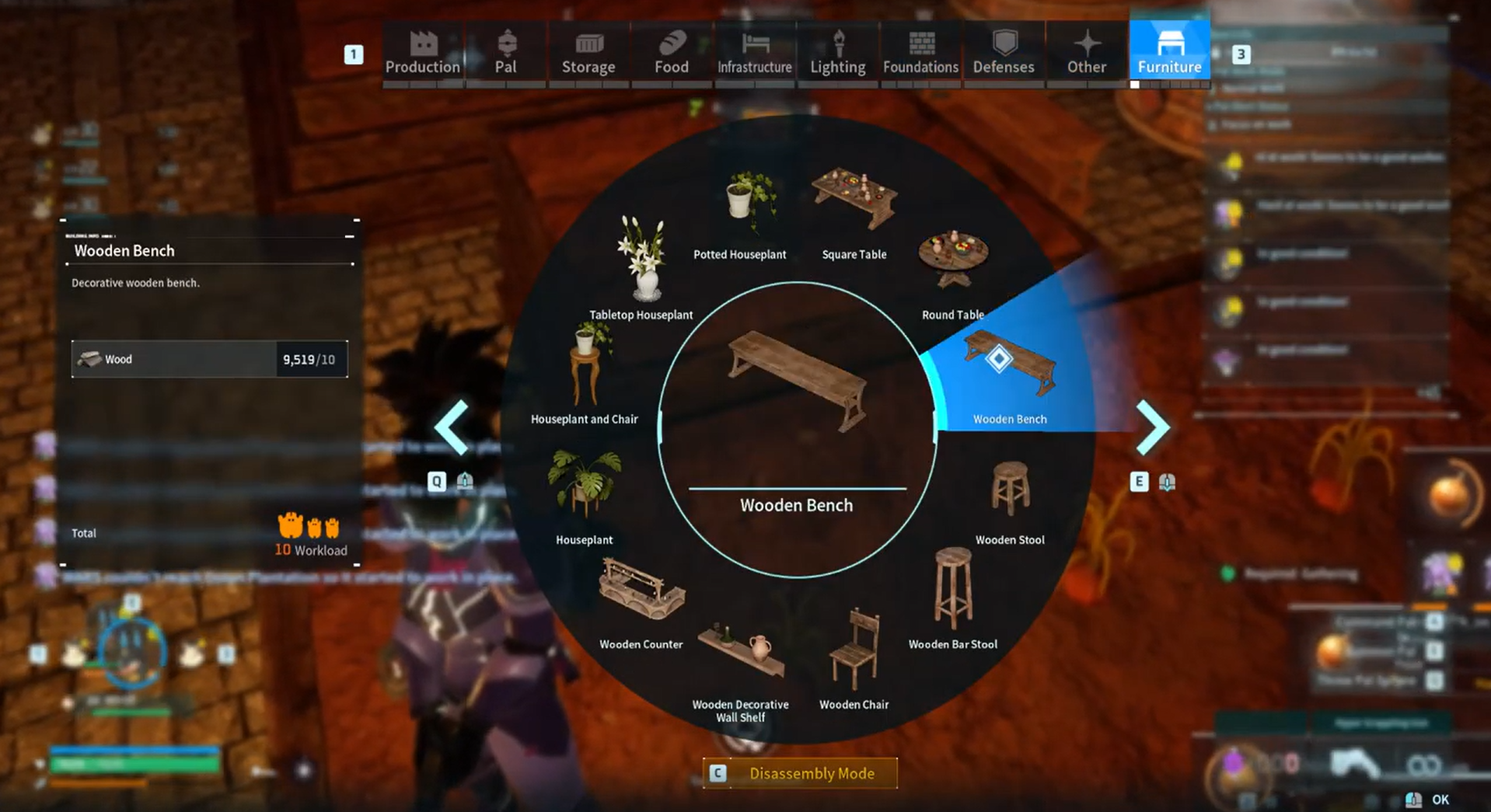
In Palworld, “stacking plantations” means placing multiple Wheat Plantation structures on top of each other using a clipping trick. This method requires patience and precision, as you need to align benches and plantation blueprints carefully.
While it takes time to master, the reward is a compact farm layout that produces far more wheat than a flat setup.
Palworld Wheat Plantation Basics
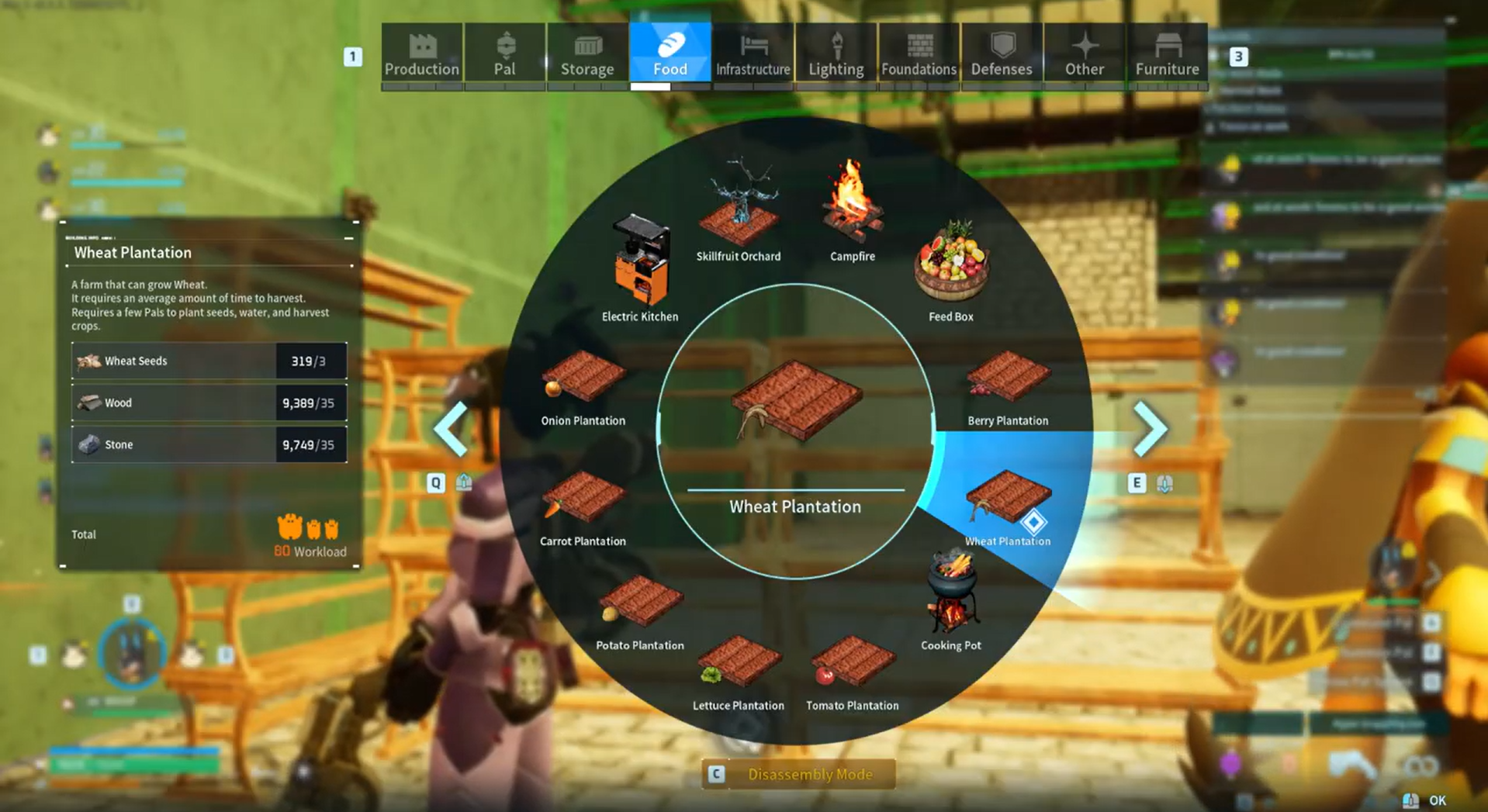
The Wheat Plantation is a farming structure unlocked at Technology Level 15. It allows you to grow wheat continuously once built.
Blueprint requirements:
-
3 Wheat Seeds
-
35 Wood
-
35 Stone
Once constructed, you do not need to add more seeds manually. The plantation becomes self‑sustaining, producing wheat and occasionally extra seeds.
Palworld Wheat Seeds: Acquisition
Before stacking plantations, you need seeds to build the first plot. Seeds can be obtained in several ways:
-
Defeating or capturing Pals: Grass‑type Pals such as Bristla, Flopie, Dinossom, and Robinquill drop seeds.
-
Purchasing from merchants: Wandering Merchants sell seeds for 100 Gold Coins each.
-
Looting chests: Low‑tier treasure chests scattered across biomes sometimes contain seeds.
Wheat Farm Preparation
Stacking requires careful planning. Choose flat terrain inside your base borders to avoid pathing issues. Reserve vertical space for multiple tiers and ensure Pals can move freely. Gather extra building materials and spare seeds before starting, as misplacements may require rebuilding.
Stack Plantations Step‑by‑Step
Stacking Wheat Plantations in Palworld is not a simple build‑and‑place activity; it is a precise method that relies on clipping mechanics. The process involves using benches as temporary scaffolding, aligning plantation blueprints carefully, and then removing supports to leave plantations floating in stacked tiers.
This technique allows players to build vertically, saving base space while multiplying wheat output. Although it requires patience and practice, once mastered it becomes one of the most efficient farming layouts in the game.
Step 1: Prepare Benches
Place one bench on the ground and build it. Then place a second bench directly above the first and build it as well. Align both benches in the same direction to ensure proper clipping.
Step 2: Clip the Top Plantation
Stand at the end of the lower bench. Align the plantation blueprint so its center matches the top bench. Jump and snap the plantation when the placement outline turns blue. Build the top plantation fully before deleting any benches.
Step 3: Float the Second Plantation
Crouch and open the deconstruction menu. Delete the supporting bench to leave the plantation floating. Repeat the placement process for the second plantation using the remaining bench.
Step 4: Finalize Stack and Ground Placement
Place and build the final ground‑level plantation. Verify that all plantations are built and stable before assigning Pals.
Managing Stacked Wheat Farm
Stacked farms require careful Pal management, especially since wheat takes about 3 in-game days to mature before harvest, which affects worker assignment and production planning.
Assign Pals with Planting suitability to upper tiers, Watering Pals to irrigate plantations, and Gathering Pals to harvest crops. Route harvested wheat into storage chests using Transporting Pals after Gathering Pals collect it. Monitor Pal pathing regularly; if a Pal gets stuck, reset them using the Palbox.
Troubleshooting Common Issues
Stacking can fail if timing or alignment is off. If placement does not snap, rebuild benches slowly and adjust angles. If Pals get stuck, lift and throw them near the plantation or reset them. If plantations misalign, repeat the clipping process carefully.
Visuals and Supporting Media
For clarity, annotated screenshots of each stacking step are recommended. A short video clip demonstrating jump‑timing can help players replicate the clipping method. A simple materials checklist ensures you have everything ready before starting construction.
Summary and Best Practices
Stacking plantations allows you to maximize wheat production in limited space. The process involves preparing benches, clipping plantations into place, floating structures by deleting supports, and finalizing the stack.
Best practices:
-
Test with one stack before mass construction.
-
Use tiered layouts to maximize Pal efficiency.
-
Monitor Pal pathing and reset stuck workers.
By following these steps, you can build a compact, high‑yield wheat farm that supports advanced cooking, breeding, and crafting in Palworld.