What Damage Can Sulfur Cubes Cause in Minecraft?
Discover the potential dangers of sulfur cubes in Minecraft and learn how to manage their effects. Read on for essential tips and strategies!

Shahrukh Sial is a Gaming Content Strategist at Sparked Host. He identifies his own strategic outlines through deep research to cover game guides, tips, and updates that help players improve their skills and enjoy a better gaming experience.
Sulfur Cubes might appear to be harmless, passive mobs when you first encounter them in their native caves, but they possess hidden dangers that every player should respect. Their true potential lies in their ability to absorb blocks, which fundamentally alters their physical properties and turns them into potent hazards. Recognizing these risks is the first step toward keeping your base and your character safe from harm.
The damage these cubes can inflict varies wildly depending on the material they have consumed. From constant contact damage that functions like a living magma block to devastating explosive potential when they absorb volatile materials, these mobs can surprise even veteran players. If you are planning to use them for defensive traps or automated systems, you must account for the danger they pose to nearby entities.
Staying safe around these unique creatures requires careful observation and strategic planning. By learning how to identify which blocks a cube has absorbed and understanding the conditions that trigger their dangerous effects, you can manage them without risking your hard work or your survival. This guide breaks down exactly how these cubes cause damage and how you can prevent accidents.
Section 1: Magma Block and Sulfur Cube Damage
When a Sulfur Cube absorbs a magma block, it gains the "Hot" archetype, while other absorbed blocks can alter its damage behavior differently, and potent sulfur blocks create gas bubbles that inflict the Nausea effect. In Minecraft, the Sulfur Cube is a slime-like mob native to the Sulfur Caves. This transforms the cube into a mobile hazard that can damage nearby entities:
-
Damage Type: Contact damage similar to stepping on a magma block.
-
Damage Amount: 1 HP (half a heart) per tick of contact.
-
Range: Immediate proximity to the cube.
-
Persistence: The damage continues as long as entities remain near the cube.
This makes magma-absorbing Sulfur Cubes useful for creating automated defense systems or traps that can hurt attackers without any player intervention. However, the cube itself does not take damage from this effect and can even damage other Sulfur Cubes. These damage outcomes depend on the cube’s features and its ability to absorb blocks, since the absorbed block changes its physical properties.
Section 2: TNT Explosive Archetype and Sulfur Cube Explodes
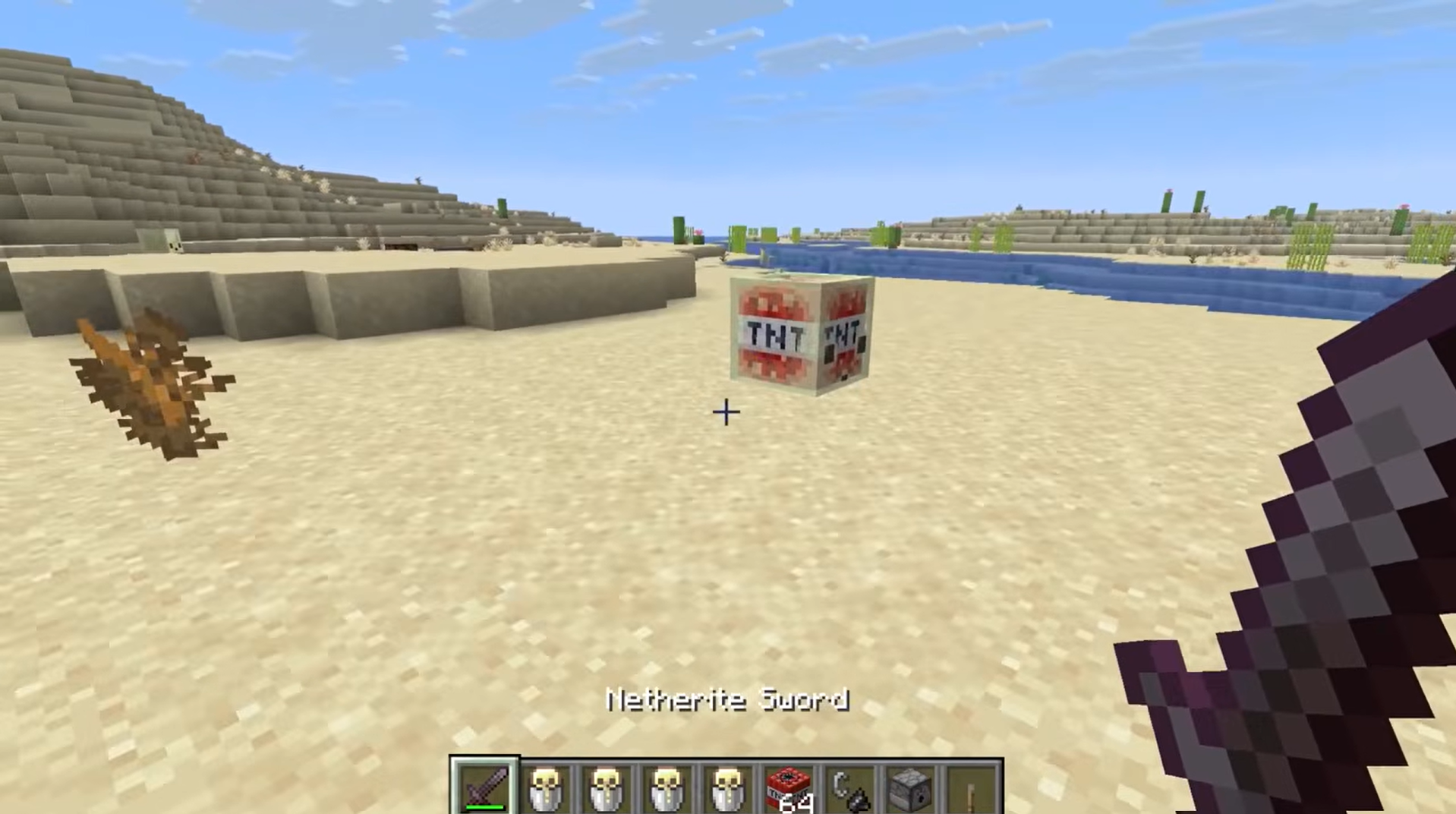
The most dangerous damage potential comes from Sulfur Cubes that have absorbed TNT. Magma is only one example, because these mobs can also absorb various full-sized blocks such as stone, wood, ice, or an iron block, though not functional shapes like walls. When ignited, these cubes become powerful explosives:
Explosion Damage by Difficulty:
-
Easy: Maximum 29 HP (14.5 hearts) of damage.
-
Normal: Maximum 56 HP (28 hearts) of damage.
-
Hard: Maximum 84.5 HP (42.25 hearts) of damage.
If a cube has an absorbed block, attacks usually cause extra knockback instead of normal damage because the added block changes its properties, and when it is hit its direction can shift based on the impact, which players use in contraptions. In some absorbed forms, it behaves more like a ball, letting players redirect motion for horizontal transport or unconventional elevators. This utility also includes preserving and transferring speed in buckets and enabling fast-moving minecart alternatives in redstone machines.
Ignition Methods:
-
Flint and steel or fire charges.
-
Fire damage (lava, fire, flaming projectiles).
-
Redstone signals.
-
Other explosions (including other TNT cubes).
-
Weapons with Fire Aspect enchantment.
Because sulfur cubes can hold different blocks, players also use them in redstone contraptions and more complex machines.
The explosion damage varies by proximity and difficulty setting, but even on easy mode, the damage is sufficient to kill most players and destroy most structures. The sole exception is ignited tnt, which it cannot safely absorb like other blocks. Once lit, the sulfur cube explodes after about six seconds, and players cannot use shears to pull out the block inside to stop it; like slimes, it can also split into smaller sulfur cubes on death, creating more hazards.
Conclusion: How to Avoid Damage and Block Absorption
To stay safe around potentially dangerous Sulfur Cubes:
-
Maintain Distance: Keep a safe distance from any Sulfur Cube that might have absorbed a magma block or TNT; after taking in TNT and being ignited, this passive mob becomes a moving bomb with a 6-second fuse.
-
Identify Absorbed Blocks: Look inside the cube to see what block it has absorbed before approaching.
-
Avoid Ignition Sources: Keep fire, redstone signals, and explosives away from TNT-absorbing cubes, and remember that ignited TNT is the sole exception to normal block handling because it triggers the explosion instead of remaining safely contained as the block inside.
-
Use Protection: Wear armor and use fire resistance potions when working with potentially dangerous cubes, especially if a bunch are packed together.
-
Controlled Environments: Work with dangerous cubes in controlled environments where explosions cannot cause widespread damage, keep them off uneven ground so they cannot jump into unwanted areas, and use a bucket to move one safely when needed.
Understanding the damage potential of Sulfur Cubes allows players to use them safely and effectively for their projects while avoiding unnecessary harm.