Straw Bed vs Normal Bed in Minecraft: Which to Use for Comfort and Sustainability
In this guide, we break down the exact mechanics, crafting costs, and strategic applications of Straw Beds versus Normal Beds based on official development snapshots.

Shahrukh Sial is a Gaming Content Strategist at Sparked Host. He identifies his own strategic outlines through deep research to cover game guides, tips, and updates that help players improve their skills and enjoy a better gaming experience.
Quick Answer: Use Straw Beds for exploration as they are single-use, stackable (up to 16), and do not set your spawn point. Use Normal Beds for base building because they are permanent, set your respawn location, and enable villager breeding. Straw Beds cost 6.75 wheat per use, while Normal Beds require wool and planks but last indefinitely. Straw Beds break silently in the Nether, whereas Normal Beds explode.
Intro
Minecraft players constantly face a critical dilemma during long expeditions: how to sleep safely without accidentally binding their spawn point to a dangerous cave or temporary shelter. The introduction of the Straw Bed in Minecraft 26.3 (Third Drop 2026) solves this specific problem, offering a disposable alternative to the standard Normal Bed. Understanding the differences between these two blocks determines whether you lose your progress upon death or secure your items safely.
In this guide, we break down the exact mechanics, crafting costs, and strategic applications of Straw Beds versus Normal Beds based on official development snapshots. You will learn precise resource calculations, inventory management strategies, and when to deploy each item for maximum survival efficiency.
You will learn
-
The exact crafting recipes and resource costs for both bed types
-
How spawn point mechanics differ between single-use and permanent beds
-
Inventory stackability comparisons for exploration logistics
-
Sustainable farming strategies for wheat versus wool
-
Specific use cases for miners, explorers, and base builders
Mechanics Overview: Straw Bed and Normal Bed
The fundamental mechanics of Straw Beds and Normal Beds differ in ways that drastically alter their utility in survival scenarios.
Straw Bed Behavior
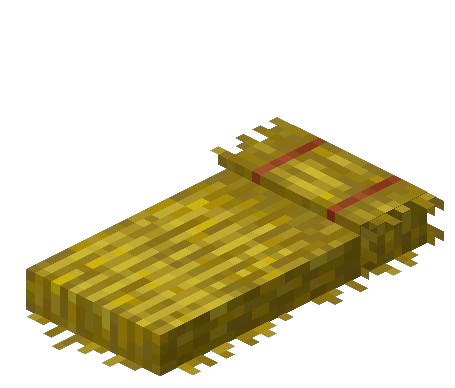
A Straw Bed is a single-use utility block. When a player sleeps in it, the night skips, the weather clears, and phantom spawning is prevented for three in-game days.
However, upon waking (or if the player leaves the bed), the block immediately breaks and drops nothing. Crucially, it does not set a spawn point. If used in the Nether or End, it simply destroys itself and drops nothing, acting as if the player slept in it without exploding.
Normal Bed Behavior
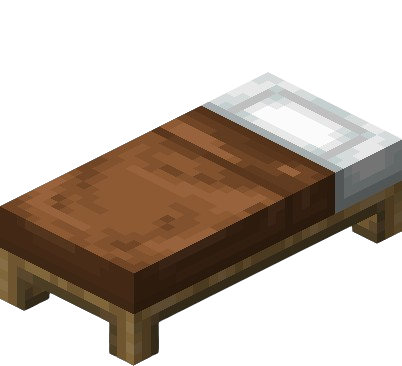
A Normal Bed is a permanent block. Sleeping in it sets the player's spawn point to that location. It can be used infinitely. It interacts with villagers for breeding and professions. If used in the Nether or End, it explodes with a power level of 5, killing the player and destroying surrounding blocks.
Nether and End Restrictions
-
Normal Bed: Explodes violently in the Nether and End. The explosion centers on the head part of the bed.
-
Straw Bed: Breaks silently without explosion in the Nether and End. This makes Straw Beds safer to carry in inventory in these dimensions as they pose no explosion risk if accidentally placed. They simply vanish if a player attempts to use them in incorrect dimensions.
Crafting And Resources
The resource investment for these items varies significantly, impacting your sustainability strategy.
Crafting Straw Beds from Hay Bales
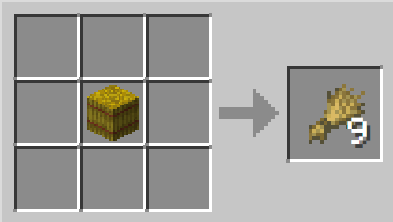
To craft Straw Beds, you must first create Hay Bales.
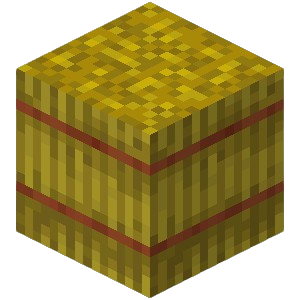
Recipe: Place 3 Hay Bales in a horizontal row in the crafting grid.
Output: 4 Straw Beds.
Cost Analysis:
-
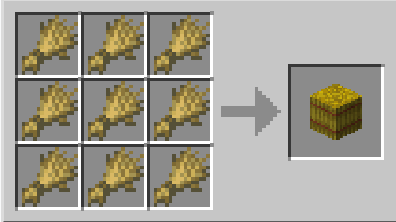
1 Hay Bale = 9 Wheat.
-
3 Hay Bales = 27 Wheat.
-
Total Cost for 4 Straw Beds = 27 Wheat.
Cost Per Straw Bed: 6.75 Wheat.
Natural Spawns: You can find 2-4 Straw Beds in barrels within Abandoned Camps (35.5% chance). They do not generate in standard villages.
Crafting Normal Beds
Crafting a Normal Bed requires wool and wood.
Recipe: Place 3 Wool (any color, must match) in the top row and 3 Planks (any type) in the bottom row.
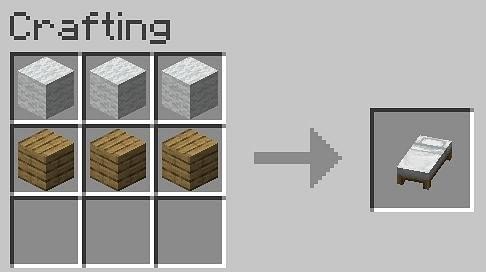
Output: 1 Normal Bed.
Cost Analysis:
-
3 Wool (obtained by shearing 3 sheep or crafting from 12 string).
-
3 Planks (obtained from 1 log).
Dye Variations: You can dye wool before crafting or dye an existing bed to change its color. There are 16 color variations. In Bedrock Edition, bleach can remove dye from beds.

Comfort Comparison
When evaluating "comfort," we must look at sleep mechanics, spawn safety, and physical properties.
| Feature | Straw Bed | Normal Bed |
|---|---|---|
| Sleep Duration | Standard (5.05 seconds) | Standard (5.05 seconds) |
| Spawn Point Setting | No | Yes |
| Reusability | No (Single Use) | Yes (Infinite) |
| Fall Damage Reduction | No (0% reduction) | Yes (50% reduction) |
| Villager Interaction | None | Required for breeding |
| Bouncy | No | Yes (75% velocity retention) |
| Nether/End Behavior | Breaks silently | Explodes (Power 5) |
Sleep Timing and Effects
Both beds take the same time to initiate sleep (101 ticks) and successfully skip the night. Both prevent phantom spawns for 3 in-game days after use. Sleeping in either bed changes the weather to clear.
Spawn-Setting Behavior
The critical difference is spawn management. Normal Beds lock your spawn to their location. If you die, you respawn there. Straw Beds do not change your spawn point. If you die after using a Straw Bed, you respawn at your world spawn or last valid Normal Bed. This makes Straw Beds essential for temporary shelters where you do not want to risk losing your items to a dangerous respawn location.
Single-Use vs Reusable Comfort
Straw Beds offer "comfort" through flexibility and safety from spawn-locking. However, they provide no physical protection; falling onto them causes full damage. Normal Beds offer permanent comfort, reduce fall damage, and serve as a permanent home base. Unlike hay bales, Straw Beds do not reduce fall damage.
Sustainability And Resource Impact
Analyzing the resource cost reveals which option is more sustainable for different playstyles.
Resource Cost Calculation
| Item | Resources Required | Cost Per Unit | Renewable Effort |
|---|---|---|---|
| Straw Bed | 6.75 Wheat | Low (Wheat grows in minutes) | High (Fully automated farms possible) |
| Normal Bed | 3 Wool + 3 Planks | Medium (Requires animal management) | Medium (Sheep breeding takes time) |
-
Wheat Farming: Wheat seeds are free and found in grass. A small 9x9 farm produces enough wheat for hundreds of Straw Beds daily. Automation is easy and efficient.
-
Wool Farming: Requires finding, breeding, and feeding sheep. Shearing has a cooldown. Crafting wool from string requires killing spiders, which is dangerous and inefficient.
Storage Efficiency
-
Straw Beds: Stackable up to 16. One inventory slot holds 16 sleeps. A shulker box (27 slots) holds 432 sleeps.
-
Normal Beds: Non-stackable. One inventory slot holds 1 bed. A shulker box holds 27 beds.
For exploration, Straw Beds are 16x more inventory efficient. If you prefer to explore with friends on a shared world, Minecraft server hosting with instant deployment and DDoS protection makes it easy to keep a survival realm online. For base storage, Normal Beds require significant space but are a one-time craft.
Durability, Reuse, And Inventory Considerations
Single-Use Destruction
Straw Beds destroy themselves immediately after the player wakes up or leaves the bed. They drop no items. This design prevents clutter but requires constant replenishment if used frequently. You cannot move a Straw Bed once placed; it is consumed upon use.
Reusability of Normal Beds
Normal Beds last indefinitely. You can pick them up with any tool (or bare hands) and reuse them infinitely. They survive explosions (unless the explosion destroys the block), fire (unless burned), and time. They are a permanent asset to your inventory.
Inventory Space Analysis
If you plan a 10-day mining trip:
-
Straw Bed Strategy: Carry 1 stack of Straw Beds (16 units). Cost: 1 inventory slot. Result: 16 nights of safety.
-
Normal Bed Strategy: Carry 10 Normal Beds. Cost: 10 inventory slots. Result: 10 nights of safety, plus you can set spawns at each location (risky).
The inventory efficiency of Straw Beds makes them superior for any transient activity.
Best Use Cases And Strategies
Recommended: Straw Beds
-
Deep Cave Mining: Carry a stack to skip nights without moving your spawn to the mine. If you die, you respawn at your safe base.
-
Long-Distance Exploration: When traveling thousands of blocks away, use Straw Beds to avoid accidentally binding your spawn to the wilderness.
-
Hardcore Mode: Essential for safety. Prevents the "spawn lock" error where players die and respawn in a dangerous location.
-
Temporary Outposts: Use for short-term shelters during raids or specific tasks where you do not want to establish a permanent base.
Recommended: Normal Beds
-
Permanent Base: Essential for setting your primary respawn point.
-
Villager Halls: Required for villager breeding and trading hall operations.
-
Fall Protection: Place at the bottom of elevators or scaffolding to prevent death from falls.
-
Multiplayer Servers: Necessary for teams to set individual safe houses, especially when paired with budget Minecraft hosting plans for small survival servers.
Strategic Advice:
-
Carry Pre-Crafted Straw Beds: Do not carry hay bales. Craft them into Straw Beds before leaving to maximize stack efficiency.
-
Base Emergency Kit: Keep a supply of wool at your base. If your base is compromised, you may need to craft a Normal Bed to establish a new safe spawn point elsewhere.
Practical Tips for Hay Bales and Straw Beds
If you’re running a shared survival world, keeping farms efficient reduces server lag and hardware strain, which pairs well with budget Minecraft server hosting for community play.
Compact Wheat Farm Design
Build a 9x9 farm with a water source in the center. This hydrates 80 farmland blocks.
-
Clear a 9x9 area.
-
Place water in the center block.
-
Surround with farmland (hoe on dirt).
-
Plant seeds.
-
Harvest manually or use water streams for automation.
This setup produces enough wheat for 11 Straw Beds (44 sleeps) per harvest cycle.
Running automated wheat and hay bale logistics on a multiplayer world works best when hosted on reliable infrastructure like Sparked Host’s multi-game server hosting platform.
Storage and Logistics
-
Store Hay Bales, Not Straw Beds: Hay Bales stack to 64. Straw Beds stack to 16. Store resources as Hay Bales to save 75% of chest space. Craft Straw Beds only when needed for a trip.
-
Safe Sleeping Procedure:
-
Find a safe location (light level 7+ to prevent mob spawns).
-
Place the Straw Bed.
-
Sleep.
-
The bed breaks automatically. No cleanup required.
-
Hay Bales: Farming And Logistics
Automation Ideas: Use a fully automated wheat farm with observers and water streams to collect wheat. For large, redstone-heavy worlds, reviewing your host’s hardware tiers and CPU/RAM options helps keep tick rates smooth. Convert to Hay Bales manually or via a crafting module if your server supports it.
Hauling Strategy: Transport Hay Bales, not Wheat. 9 wheat = 1 Hay Bale. This reduces 9 inventory slots to 1. If you’re unsure how much performance your survival world needs, free trial hosting plans for Minecraft and other games let you test before committing. Convert to Straw Beds only at your destination. This maximizes the "sleep potential" you can transport in a single trip.
Quick Decision Guide
Use this checklist to decide instantly.
Are you:
-
Mining in caves? Use Straw Bed
-
Exploring unknown terrain? Use Straw Bed
-
Playing Hardcore mode? Use Straw Bed (for travel)
-
Building a home? Use Normal Bed
-
Creating a villager trader? Use Normal Bed
-
Trying to stop fall damage? Use Normal Bed
Recommendations
-
Explorers: "Carry a stack of Straw Beds to skip nights safely without risking your spawn point."
-
Base Builders: "Invest in Normal Beds once; they are essential for your base, villagers, and long-term safety."
Conclusion
The choice between Straw Bed vs Normal Bed depends entirely on your current objective. Use Straw Beds for exploration, mining, and temporary shelters where inventory efficiency and spawn safety are critical. Use Normal Beds for permanent bases, villager interactions, and fall protection. By utilizing both strategically, you ensure maximum safety and efficiency in your Minecraft world. Bookmark this guide to reference these mechanics whenever you plan your next adventure.
Looking to play Minecraft with friends without the lag? Host your own dedicated server and explore safe mining routes and massive bases together with zero latency. Check out our budget Minecraft hosting and Minecraft Bedrock server hosting plans, perfect for survival worlds and achievement hunting.
FAQ
If you’re testing straw-bed mechanics with friends, a small budget Bedrock hosting server is ideal for experiments.
Can straw beds be used to set spawn points in Minecraft?
No, straw beds do not set spawn points. They are designed specifically for single-use sleeping without changing your respawn location. If you die after using a straw bed, you will respawn at your world spawn or last valid normal bed.
On larger Bedrock communities where players automate straw-bed production, enterprise Bedrock hosting with higher performance tiers helps keep farms running smoothly.
How many straw beds can I craft from one hay bale?
You cannot craft straw beds from a single hay bale. The recipe requires 3 hay bales placed in a horizontal row to produce 4 straw beds. This means each individual straw bed effectively costs 0.75 of a hay bale (or 6.75 wheat).
For big survival realms where many players raid the Nether simultaneously, enterprise Minecraft hosting with scalable resources keeps combat and explosions responsive.
Do straw beds explode in the Nether like normal beds?
No, straw beds do not explode in the Nether or the End. If you attempt to use them in these dimensions, they will simply break and disappear without causing an explosion or damage. This makes them safer to carry in hostile dimensions.
Massive villager halls and iron farms benefit from extreme-performance Minecraft hosting plans to minimize lag from entity-heavy areas.
Can villagers use straw beds for breeding?
No, villagers ignore straw beds completely. They do not recognize them as valid beds for sleeping, breeding, or profession assignment. You must use normal beds to facilitate villager breeding or trading halls.
If you’re running a long-term world where respawn logistics and backups matter, dedicated servers with full control and DDoS protection offer maximum reliability.
Is it possible to recover a straw bed after placing it?
You can pick up a straw bed with a hoe or any tool before using it. However, once you sleep in it, the block breaks automatically and drops nothing. It is a consumable item designed for single use only.
High-entity combat arenas and mob farms can benefit from temporary dedicated server hardware deals when you expect heavy player activity.
What happens if I try to sleep in a straw bed with monsters nearby?
Just like normal beds, you cannot sleep in a straw bed if monsters are nearby. The game will display a message stating "You may not rest now, there are monsters nearby." On large combat-focused servers, choosing from extreme-tier Minecraft hosting options helps keep battles smooth and lag-free. You must eliminate or move away from the threats before sleeping.