Special Minecraft Archetypes: TNT and Magma Block Sulfur Cubes
Explore the unique uses of TNT and Magma Block Sulfur Cubes in Minecraft. Enhance your gameplay strategies and maximize your building potential. Read more!

Shahrukh Sial is a Gaming Content Strategist at Sparked Host. He identifies his own strategic outlines through deep research to cover game guides, tips, and updates that help players improve their skills and enjoy a better gaming experience.
The TNT and Magma Block variants represent the most specialized archetypes available to Sulfur Cubes, shifting their function from passive entities into active tools of destruction and defense. By absorbing these specific materials, a cube gains unique capabilities that allow it to interact with the environment in ways no other mob can. These variants are powerful instruments for any builder, but they demand a high level of caution during use.
These cubes effectively turn into mobile hazards, capable of clearing areas or protecting your base without requiring constant player intervention. Because their functions are so volatile, understanding the specific mechanics of their activation is vital. Whether you are creating a demolition trigger or a defensive perimeter, knowing how to harness these active abilities safely will define your success in utilizing them.
The following guide details the explosive mechanics of TNT-absorbing cubes and the hazard potential of those containing magma blocks. By learning the ignition triggers, fuse variations, and proximity damage rules, you can integrate these potent archetypes into your contraptions while minimizing the risk of accidental destruction to your hard-earned structures and mob populations.
Section 1: TNT Explosive Mechanics and Block Absorption
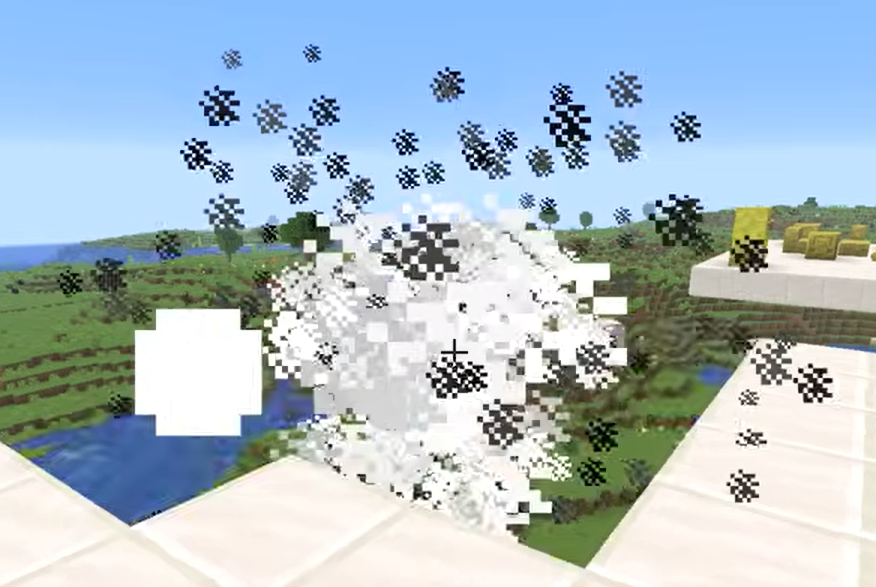
When a Sulfur Cube absorbs a TNT block, its block absorption changes its physical properties instantly, and TNT plus those containing magma blocks are just two of the 12 distinct sulfur cube archetypes:
Ignition Methods:
-
Flint and steel or fire charges (manual or dispenser).
-
Fire damage (lava, fire, flaming projectiles).
-
Redstone signals (direct or through components).
-
Other explosions (including other TNT cubes).
-
Weapons with Fire Aspect enchantment.
-
Occupying positions with active redstone components.
Fuse Time Variations:
-
Manual Ignition: 6 seconds (120 game ticks).
-
Explosion Ignition: Random between 0.75-3 seconds (15-60 game ticks).
Special Properties:
-
Cannot be damaged while ignited.
-
Cannot be captured in buckets when ignited.
-
Cannot have absorbed block removed with shears when ignited.
-
No small cubes spawn upon explosion.
-
Explosion damage varies by difficulty and proximity, and those containing magma blocks are just examples within the broader set of different archetypes created by feeding different blocks.
Section 2: Magma Block and Sulfur Cube Archetypes
When a Sulfur Cube absorbs a TNT block, it becomes a TNT Sulfur Cube, while the magma variant acts more like a regular archetype with added contact damage than like magma cubes, which are hostile mobs.
Damage Mechanics:
-
Deals 1 HP (half a heart) damage per tick to nearby entities.
-
Damage occurs as if entities touched a magma block.
-
Continuous damage while entities remain in proximity.
-
Cube itself is not damaged by this effect.
Ignition Methods:
- Flint and Steel is the standard manual ignition method required to make the TNT Sulfur Cube explode.
Special Properties:
-
After absorption, TNT Sulfur Cubes can bounce and float on water.
-
These cubes can be pushed into position or move toward dropped blocks / follow players, so handling matters before ignition.
Applications:
-
Automated defense systems.
-
Hazard creation for traps.
-
Mob control mechanisms.
-
Area denial tools.
Safety Considerations:
-
Cube can damage other Sulfur Cubes.
-
Players must maintain safe distances.
-
Fire resistance does not prevent damage from this source.
Conclusion: Combat Risks in New Sulfur Caves
These special archetypes carry significant risks:
-
Uncontrolled Explosions: TNT cubes can be triggered accidentally by various means, while the magma block hot archetype keeps Regular archetype-style movement physics but adds contact-based hazard damage.
-
Chain Reactions: One explosion can trigger others, creating cascading failures, and unlike hostile magma cubes, Sulfur Cubes are dangerous mainly because they absorb that magma block effect rather than because they actively attack.
-
Permanent Loss: Exploded cubes are destroyed completely with no splitting.
-
Collateral Damage: Explosions can destroy structures and kill other mobs.
-
Safety Protocols: Always work in controlled environments with these archetypes, especially when collecting them in the sulfur caves biome, where sulfur caves and new sulfur caves can appear with a light level of zero.
Understanding the risks and mechanics of these special archetypes is essential for safe and effective use in gameplay.