How To Breed Turtles In Minecraft: The Ultimate Guide To Eggs And Scutes
Learning how to breed turtles in Minecraft is a specialized skill. It is not just about feeding them; it is about protecting a legacy.

Shahrukh Sial is a Gaming Content Strategist at Sparked Host. He identifies his own strategic outlines through deep research to cover game guides, tips, and updates that help players improve their skills and enjoy a better gaming experience.
Turtles are some of the most fascinating passive mobs you will encounter while exploring the vast coastlines of your world. Unlike a cow or a sheep that simply produces an offspring instantly, sea turtles follow a complex biological cycle that mirrors their real-world counterparts. They are passive aquatic animals found primarily on the water's edge, moving with a slow and steady wins the race attitude on land, while becoming incredibly agile once they hit the waves.
Learning how to breed turtles in Minecraft is a specialized skill. It is not just about feeding them; it is about protecting a legacy. Because turtles have a "home beach" mechanism, you must understand how to manage their environment from the moment an egg is laid until the baby turtles finally mature into adults. This guide provides every technical detail and survival tip you need for the 2026 version of the game.
Where to Find Turtles in Minecraft
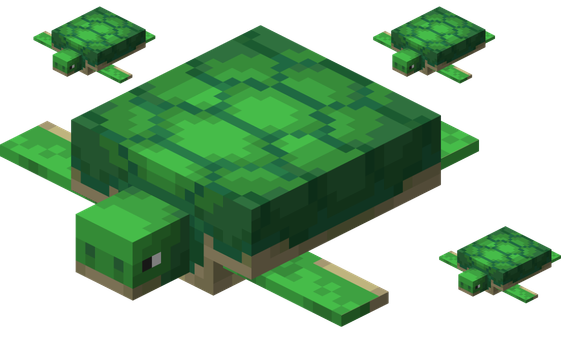
Turtles are quite picky about where they live and spawn. You will not find them in deep oceans or high mountains; they prefer the gentle slope of the coast where the water meets the land. Finding them is the first step toward starting your own scute farm.
The Best Biomes: Identifying Sandy Beaches
The primary biome in the overworld for these creatures is the Sandy Beach. You will often see them flapping their little flippers across the sand or turtles swimming just offshore. It is important to distinguish these from stony or snowy shores. Turtles are cold-blooded creatures in real life, and the game reflects this; they will never spawn in frozen or rocky coastal biomes. If you see a beach with a lot of gravel or stone, you are in the wrong place. These animals found on Minecraft's coastlines are a staple of the tropical atmosphere.
Turtle Spawning Conditions: Light levels and block requirements
In Minecraft's sandy shores, turtles have specific spawning rules. In the Java Edition, they typically spawn in groups of up to five individuals when the light level is higher than 8. In the Bedrock Edition, they appear in groups of 2 to 6. They require sand blocks to be present and usually prefer being less than four blocks above sea level. This means you will rarely find a turtle on an isolated mountain; they stay where they have quick access to the ocean. These Minecraft mobs, turtles, are purely a surface-level flying entity of the sea.
What Do Turtles Eat in Minecraft?
To interact with any animal in this game, you must know their favorite snack. For sea turtles, the standard wheat, carrots, or seeds will not work. They have a very specific diet that requires you to dive deep into the water.
Sea Grass: The Essential Ingredient

The only item a turtle will eat is Sea Grass. If you hold a clump of Sea Grass, two turtles will look at you and begin to follow. This is the only way to lure them into a pen or get them close enough to breed. You cannot use the dried kelp or normal grass found on land; it must be the vibrant green Sea Grass found growing on the ocean floor. Watching a live turtle eating seaweed is much like seeing a real-life turtle eating in the wild.
How to Harvest Sea Grass: Using Shears
Gathering Sea Grass requires a specific tool and technique. If you try to punch the grass at the bottom of the ocean, it will simply break and drop nothing. You must use Shears to harvest it properly. You can find Seagrass in almost every ocean biome, especially in coral reefs and kelp forests. I suggest gathering at least a full stack before you begin the breeding process, as you will need it to feed the adult turtles and to help the baby turtles grow later on.
Shears are tools required to obtain some organic blocks or otherwise mine them faster as well as to shear certain entities and blocks.
Step-by-Step: How to Breed Turtles
The breeding process in Minecraft is a multi-stage event that involves a physical journey for the mother turtle. It is much more involved than breeding other animals, making it a rewarding challenge for any player.
Luring Turtles: Getting two turtles together
First, find two adult turtles on the same beach. Hold your harvested Seagrass to grab their attention. Once they are within a few blocks of each other, they will begin to move toward you. They are a little slower on land, so it is often easier to lure them while you are both in the shallow water, where they can generally swim freely.
The Mating Process: Entering "Love Mode"
Feed one piece of Sea Grass to each turtle. You will see the familiar red heart particles, and the turtles will bump into each other. Unusually for Minecraft mobs, the result is not an immediate baby. Instead, one turtle will become a pregnant turtle. It is a slow and steady wins process from here on out.
The "Home Beach" Mechanic
This is a vital detail: a pregnant turtle will always try to return to her "home beach." This is the exact location where that specific turtle first spawned or hatched. She will swim across thousands of blocks just to reach that specific patch of sand. If you have moved a turtle to a new base far away, she will refuse to lay eggs until she returns to her original home. This is why many players choose to hatch eggs at their base first to "reset" the home beach for the next generation.
How to Get and Move Turtle Eggs
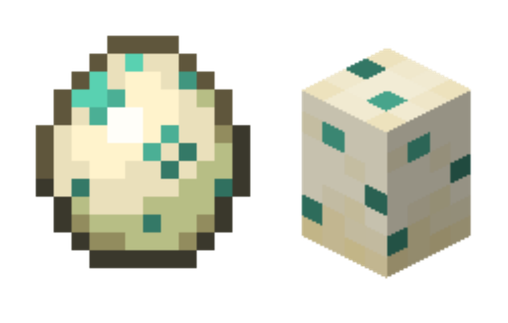
Once the turtle reaches her destination, she will start the nesting process. Because the eggs are so fragile, you need to be very careful with how you handle them.
The Laying Process: Digging in the sand
When the turtle finds the right spot on her home beach, she will stay in one place, and the turtle digs sand for a few moments. After a few moments, the turtle lays eggs. A single nest can contain between 1 and 4 turtle eggs. These eggs are very small and appear as a cluster on top of a single sand block. The turtle lays them with great care, often around the water's edge.
Using Silk Touch: The only way to pick up turtle eggs
Turtle eggs are incredibly delicate. If you try to mine them with your hand, a shovel, or a pickaxe, the egg hatches into nothing; it simply breaks. To move them, you must use a tool enchanted with Silk Touch. This allows you to pick up the eggs as a block and place them in your inventory. This is the only way to relocate a nest to a protected area near your base.
Relocating the Nest: Hatching at your base
When you place the eggs in a new location, that sand block becomes the new "home beach" for the baby turtles that will eventually hatch. Make sure you place them on sand or red sand, as they need sand to lay and develop. Building a dedicated hatchery at your base is one of the most plenty of exciting things you can do to ensure you have a steady supply of scutes nearby.
How to Hatch Turtle Eggs Faster
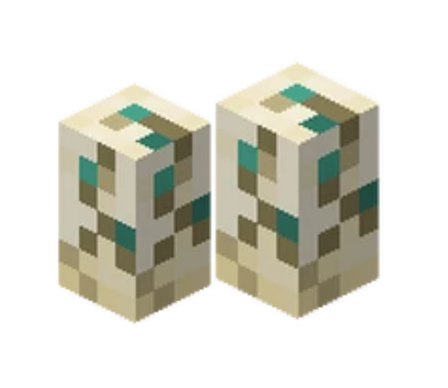
Hatching is a test of patience, as it does not happen instantly and follows the rhythm of the Minecraft day. You need to understand the mechanics to make sure they hatch successfully.
The Three Stages of Cracking
You will know the turtle eggs progress is happening when you see green "crack" particles. There are three distinct stages of cracking. Each stage indicates the egg is getting closer to opening. Once it reaches the final, most cracked stage, the next update will produce the baby sea turtles. It takes about 4 to 5 game days to hatch on average.
The Nighttime Factor
Turtle eggs primarily progress toward hatching during the night. They are much more likely to crack in the hours just before dawn. If you sleep through every night, your eggs will take a very long time to hatch. To help them along, you should stay awake and stay within 128 blocks of the eggs. If you are too far away, they will not progress.
Tips for Speeding Up the Process
While you cannot force an egg to hatch instantly without commands like changing the random tick speed, you can maximize your chances by placing eggs in large groups. Always ensure they have access to daylight, usually above them. An overworld that has access to the open sky is the best environment for your nest.
Protecting the Nest: Mobs That Break Eggs
The world of Minecraft is a dangerous place for an unhatched turtle. You are not the only one interested in these eggs; many monsters want to destroy them.
The "Stomping" Mechanic
There is a unique "stomping" mechanic where certain mobs will intentionally break turtle eggs. They will pathfind toward the eggs to trample them. Zombies, Skeletons, Drowned, and even Zombified Piglins will all try to break turtle eggs if they can reach them. If any mob attacks baby turtles or eggs, your farm will fail.
How to Build a Predator-Proof Fence
To keep your eggs safe, you must build a secure perimeter. A simple fence is usually enough, but make sure there are no blocks nearby that a mob could use to jump over. Lighting up the area with torches is also essential. This ensures the baby turtle moving about later is safe from harm.
How to Get Turtle Scutes and the Turtle Helmet
The primary reason players go through this long process is to collect turtle scutes. This item is essential for mid-to-late game exploration.
Baby Turtle Growth: Reaching Adulthood
When the eggs finally hatch, out come the baby turtles. These are the smallest mobs in the game and are quite vulnerable. It takes about 20 minutes (one full Minecraft day) for a baby to reach adulthood. You can accelerate this by feeding them Sea Grass, as they will hearten to grow whenever you feed them. It makes my heart grow whenever I see them mature.
What are Scutes?
A turtle drops a single Turtle Scute only at the exact moment it grows from a baby into an adult. You cannot get these by killing a turtle. If a baby turtle dies or is killed by a player, it drops absolutely nothing. This is the game's way of rewarding conservation over hunting.
Crafting the Turtle Shell (Helmet)
Once you have collected 5 scutes, you can craft a Turtle Shell. Use a crafting table and place the scutes in a "u" shape. This item provides armor points and allows you to stay underwater longer. It is the perfect gear for a hero in a half shell adventurer.
The Benefits of the Turtle Shell & Potion of the Turtle Master
The items you get from turtles are not just for show; they offer some of the most unique buffs in the game.
Water Breathing Buff
The most immediate benefit of wearing a Turtle Shell is the Water Breathing effect. While wearing it, you gain an extra 10 seconds of air whenever you go underwater. This timer resets every time you touch the surface. This makes it perfect for underwater building.
Brewing the Potion of the Turtle Master
The Turtle Shell is also a powerful brewing ingredient. Using it in a brewing stand creates the Potion of the Turtle Master. This potion is legendary for its defensive capabilities, giving you massive Resistance at the cost of your speed. It draws inspiration from Greek myths roman military strategies.
Advanced: How to Build an Automatic Scute Farm
If you need a lot of scutes for potions or gear, you might want to move beyond manual breeding. Automation is the key to efficiency.
Using Hoppers and Observers
For those who want to mass-produce scutes, you can automate the collection process. By using an Observer to detect turtles clearing out their baby shells, you can trigger a collection system. A Hopper system underneath the sand blocks is the most efficient way to pick up the scutes.
Feeding Baby Turtles
If you have a large Sea Grass farm, you can manually speed up the growth of dozens of babies at once. This allows you to collect multiple scutes in just a few minutes. This is much faster than waiting for the natural growth cycle of all the animals.
Troubleshooting: Why Won't My Turtles Breed?
If you are having trouble, it is usually due to one of these three common Minecraft mobs issues:
-
Wrong Beach: As mentioned, the pregnant turtle must be on her home beach. If she is spinning in circles or trying to swim away, she is likely trying to find her original spawn point.
-
No Sand: Turtles will only lay eggs on sand or red sand. They cannot lay eggs on grass or dirt.
-
Mob Cap: If your base has hundreds of cows or chickens, the game might prevent the turtles from breeding to save on system memory.
Final Tips for Players
-
Always use a fence to protect your eggs from Zombies and other stomping mobs.
-
Baby turtles search for the nearest water as soon as they hatch, so make sure they have a clear path.
-
Use a lead to transport turtles if you do not have Sea Grass handy, though they move very slowly on land.
-
Adult turtles can breathe underwater indefinitely, so do not worry about them drowning in your farm.
-
Remember that turtle eggs can be stacked up to four on a single block to save space.
-
If you find a Seychelles giant tortoise named Style Turtle in a mod, the mechanics might differ, but in vanilla, these rules always apply.
-
Hatching eggs at your main base is the best way to ensure the next generation considers your base their "home beach."
-
Always keep a pair of Shears in your inventory when exploring Minecraft's coastlines to grab extra Sea Grass whenever you see it.
Frequently Asked Questions (FAQ)
Can you tame a turtle in Minecraft?
You cannot tame them like a wolf, but they will follow you if you have Sea Grass. They are considered passive mobs that you farm rather than pets you command.
How long does it take for turtle eggs to hatch?
It typically takes 4 to 5 in-game nights. Make sure you stay near the eggs; if you travel too far away, the "random ticks" required for hatching will stop.
Do turtles despawn?
Turtles that spawn naturally on a beach generally do not despawn, and those bred by a player will definitely stay in your world forever.
Can you ride a turtle?
No, you cannot ride them or put a saddle on them. They are purely for resource gathering and atmosphere.
Conclusion
Breeding turtles is a rewarding process that requires a bit more effort than your average Minecraft farm. From the moment you find two turtles on a beach to the second you collect your first scute, you are participating in one of the game's most detailed survival loops. By following the slow and steady wins approach, you will eventually have enough scutes to craft the powerful Turtle Shell.
To keep your massive turtle sanctuary running smoothly without any lag, you need a high-performance server. For the most reliable experience in 2026, Sparkedhost Minecraft hosting is the perfect choice for keeping your coastal biomes loaded and your turtle eggs safe from harm.